The concept of energy-saving design is growing increasingly vital in the field of substation construction. This article conducts an in-depth discussion on several core energy-saving design concepts for substation frameworks, as well as how these concepts help build a more sustainable and efficient power grid.
1. Material Selection
The choice of materials for substation structures plays a crucial role in energy - saving. High - strength and lightweight materials can reduce the overall weight of the structure, which in turn reduces the energy required for transportation and installation. For example, using steel with high strength - to - weight ratios can minimize the amount of material needed while maintaining the necessary structural integrity.
Steel is a popular choice for substation structures, and our Substation Steel Structure offers excellent properties. It can be pre - fabricated off - site, which not only speeds up the construction process but also reduces on - site energy consumption. Additionally, steel is recyclable, which aligns with the principles of sustainable development. By using recycled steel, we can significantly reduce the energy associated with the production of new steel.
2. Structural Design Optimization
An optimized structural design can lead to substantial energy savings. For instance, the layout of the substation should be designed to minimize the length of electrical conductors. Shorter conductors mean less resistance, which in turn reduces power losses during the transmission of electricity.
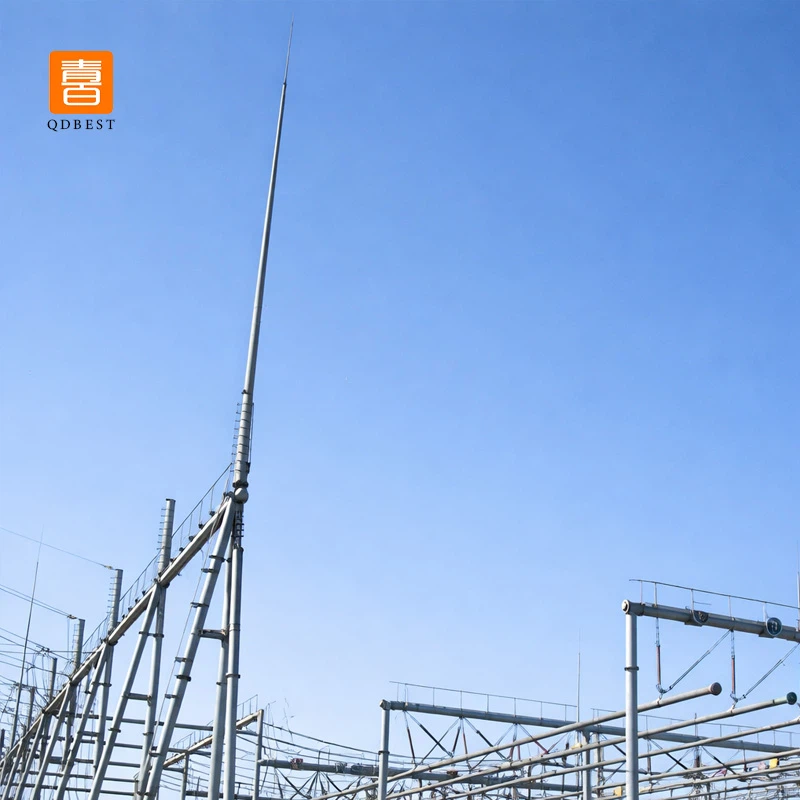
Gantry structures are commonly used in substations, and our Gantry Structures for Electrical Substations are designed with energy - saving in mind. The gantry design can be adjusted to ensure that the electrical equipment is placed in an efficient manner, reducing the distance that electricity needs to travel. Moreover, the use of proper bracing and support systems in the gantry can enhance the stability of the structure, allowing for more efficient operation of the electrical components.
3. Energy - Efficient Lighting
Lighting is an important aspect of substation operation, and using energy - efficient lighting systems can lead to significant energy savings. LED lights are a great choice for substations as they consume less energy and have a longer lifespan compared to traditional lighting sources.
In addition to using LED lights, proper lighting design is also essential. By installing lighting fixtures in strategic locations, we can ensure that the necessary areas are well - lit while minimizing unnecessary lighting. For example, motion - activated lighting can be installed in areas where human presence is intermittent, such as storage areas or access corridors. This way, the lights are only turned on when needed, further reducing energy consumption.
4. Thermal Management
Effective thermal management is crucial for substation structures. Electrical equipment generates heat during operation, and if not properly managed, this heat can lead to increased energy consumption and reduced equipment lifespan.
One way to manage heat is through the use of ventilation systems. Natural ventilation can be incorporated into the substation design, allowing for the exchange of hot and cold air. This reduces the need for mechanical ventilation, which consumes a significant amount of energy. Additionally, the use of heat - reflective coatings on the exterior of the substation can help to reduce the amount of heat absorbed by the structure, further improving thermal efficiency.
5. Integration of Renewable Energy Sources
Integrating renewable energy sources into substation structures is an emerging trend in energy - saving design. Solar panels can be installed on the roof or other suitable areas of the substation to generate electricity. This on - site renewable energy can be used to power the substation's auxiliary systems, such as lighting and ventilation, reducing the reliance on the grid.
Battery energy storage systems can also be integrated with the substation. These systems can store excess energy generated by the solar panels or during off - peak hours and release it when needed. This helps to balance the energy demand and supply, improving the overall energy efficiency of the substation.
6. Smart Grid Technologies
The implementation of smart grid technologies can further enhance the energy - saving capabilities of substation structures. Smart meters can be installed to monitor the energy consumption of the substation in real - time. This data can be used to identify areas of high energy consumption and implement targeted energy - saving measures.
Automated control systems can also be used to optimize the operation of the substation. For example, the control system can adjust the voltage and current levels based on the demand, reducing energy losses. Additionally, these systems can detect and respond to faults or abnormal conditions in a timely manner, minimizing downtime and improving the overall reliability of the substation.
7. Life - Cycle Assessment
When designing substation structures, it's important to conduct a life - cycle assessment. This involves evaluating the energy consumption and environmental impact of the structure from its construction to its decommissioning. By considering the entire life cycle, we can identify opportunities for energy savings and environmental protection.
For example, during the construction phase, we can choose construction methods and materials that minimize energy consumption. During the operation phase, we can implement energy - saving measures such as those mentioned above. And during the decommissioning phase, we can ensure that the materials are recycled or disposed of in an environmentally friendly manner.
Conclusion
In conclusion, energy - saving design concepts for substation structures are essential for a more sustainable and efficient power grid. By carefully selecting materials, optimizing the structural design, using energy - efficient lighting, managing thermal conditions, integrating renewable energy sources, implementing smart grid technologies, and conducting life - cycle assessments, we can significantly reduce the energy consumption of substations.
As a supplier of Power Substation Structures, we are committed to providing high - quality and energy - efficient solutions. If you are interested in learning more about our substation structures or have any questions regarding energy - saving design concepts, please feel free to contact us for a purchase negotiation. We look forward to working with you to create a more sustainable future for the power industry.