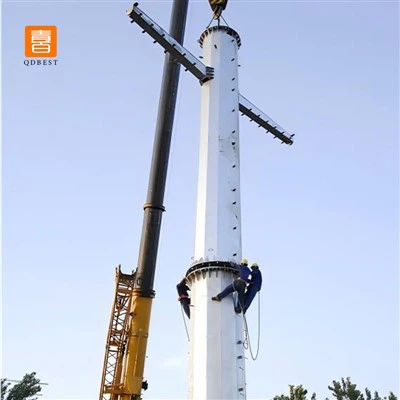
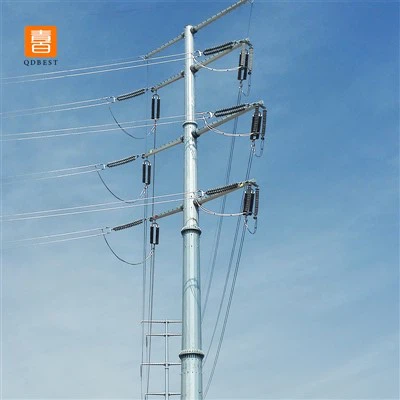
Outdoor Substation Steel Structures: Technical & Procurement Guide
Outdoor substation steel structures are mechanical support systems used to hold electrical equipment, busbars, conductors, insulators, disconnect switches, instrument transformers, cable systems, and other components within outdoor electrical substations.
Unlike conventional building frames, substation structures must withstand complex combined loads. Their selection and design must be closely engineered around electrical layouts, equipment reactions, conductor loads, wind loads, ice loads, seismic conditions, short-circuit effects, maintenance loads, electrical clearances, and foundation conditions. The core priority is ensuring that the supplied structures precisely match the approved design and governing load cases, rather than merely competing on steel tonnage or structure height. Engineering design and fabrication typically reference international standards such as ASCE MOP 113 or IEC high-voltage electrical installation codes.
-
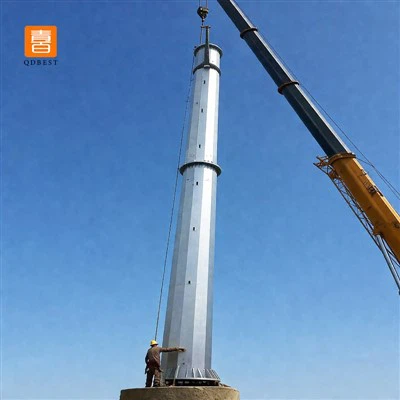
![Substation Gantry Structure]() Substation Gantry Structure
Substation Gantry Structure● Type of Tower Type: Substation Gantry Structure. ● Country of origin: China. ● Manufacturer: Qingdao BEST Steel Structure Co., Ltd.. ● Material: angle carbon steel Q235 Q355 B . ● Surface
-
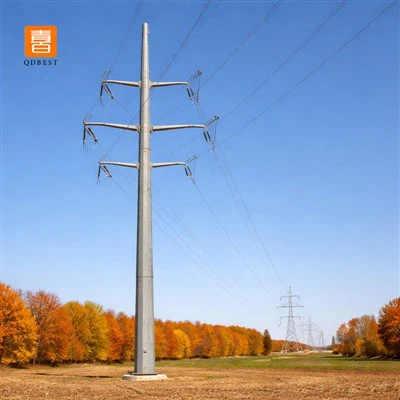
![Galvanized Substation Steel Structures]() Galvanized Substation Steel Structures
Galvanized Substation Steel Structures● Type of Tower Type: Galvanized Substation Steel Structures. ● Country of origin: China. ● Manufacturer: Qingdao BEST Steel Structure Co., Ltd.. ● Material: angle carbon steel Q235 Q355 B. ●
-
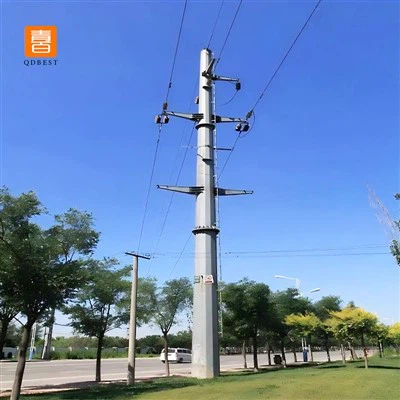
![Power Distribution Substation]() Power Distribution Substation
Power Distribution Substation● Type of Tower Type: Power Distribution Substation. ● Country of origin: China. ● Manufacturer: Qingdao BEST Steel Structure Co., Ltd.. ● Material: angle carbon steel Q235 Q355 B. ● Surface
-
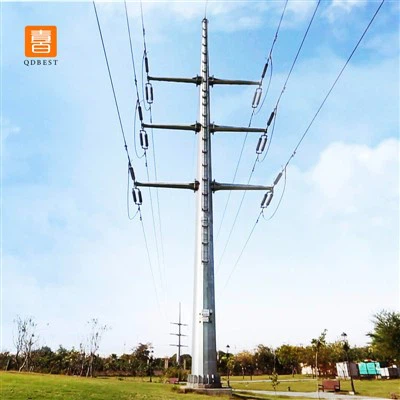
![Power Substation Structures]() Power Substation Structures
Power Substation Structures● Type of Tower Type: Power Substation Structures. ● Country of origin: China. ● Manufacturer: Qingdao BEST Steel Structure Co., Ltd.. ● Material: angle carbon steel Q235 Q355 B . ● Surface
-
![Electrical Structure]() Electrical Structure
Electrical Structure● Type of Tower Type: Electrical Structure. ● Country of origin: China. ● Manufacturer: Qingdao BEST Steel Structure Co., Ltd.. ● Material: angle carbon steel Q235 Q355 B . ● Surface Treatment: Hot
-
![Gantry Structures for Electrical Substations]() Gantry Structures for Electrical Substations
Gantry Structures for Electrical Substations● Type of Tower Type: Gantry structures for Electrical Substations. ● Country of origin: China. ● Manufacturer: Qingdao BEST Steel Structure Co., Ltd.. ● Material: angle carbon steel Q235 Q355 B . ●
-
![Substation Steel Structure]() Substation Steel Structure
Substation Steel Structure● Type of Tower Type: Substation Steel Structure. ● Country of origin: China. ● Manufacturer: Qingdao BEST Steel Structure Co., Ltd.. ● Material: angle carbon steel Q235 Q355 B. ● Surface Treatment:


Substation Structure Types
The correct structure type depends on the electrical equipment arrangement, span, conductor configuration, load case, and available foundation locations.
Bus Support Structures
Used to support rigid or flexible bus systems, insulators, and associated electrical components. Typical design considerations include bus elevations, equipment placement, vertical and horizontal loads, wind and ice conditions, short-circuit forces, required electrical clearances, deflection limits, and base connection or foundation reactions.
Equipment Support Structures
These structures provide elevated support for equipment such as disconnect switches, instrument transformers, surge arresters, and other outdoor substation apparatus. Support designs must accommodate the equipment geometry, mounting arrangement, operating loads, and connection requirements shown on project drawings.
Gantry Structures
Gantry structures support incoming and outgoing overhead lines and associated conductors. Important parameters normally include gantry height, bay width, conductor attachment points, line tension, wind and ice loading, dead-end or angle conditions, electrical clearance requirements, and foundation spacing.
Dead-End Structures
Dead-end structures transfer significant conductor loads into the structure and foundation. They require particular attention to longitudinal conductor loads, transverse loads, vertical loads, load combinations, connection designs, foundation reactions, and structural deflection. Therefore, dead-end structures should be engineered from actual conductor and line data rather than selected solely by nominal height or voltage class.
Switch Support Structures
These structures support disconnect switches and similar equipment while maintaining the required operating geometry and electrical clearances. Mounting-hole patterns, equipment dimensions, operating mechanisms, and access requirements should be confirmed before fabrication.
Transformer and Heavy Equipment Support Steel
Where transformers or other heavy equipment require structural steel support, the structure must be designed around actual equipment weights, support points, dynamic or operational effects, access arrangements, and foundation configurations.
How to Select the Right Substation Structure
Procurement normally relies on the following key design and site parameters:
|
Selection Factor |
Required Details |
|
Structure Type |
Bus support, gantry, dead-end, equipment support, switch support, etc. |
|
Overall Dimensions |
Height, width, span, and attachment elevations |
|
Equipment Parameters |
Type, dimensions, weight, and mounting arrangement |
|
Electrical Layout |
Equipment positions, conductor routes, and attachment points |
|
Design Loads |
Wind, ice, seismic, conductor tension, equipment reactions, and project loads |
|
Deflection Requirements |
Permitted structural movement under applicable load cases |
|
Material Requirements |
Required structural steel grade and applicable material standards |
|
Connection Details |
Bolted, welded, or project-specific connection details |
|
Corrosion Protection |
Hot-dip galvanizing, coating systems, or other specified treatments |
|
Foundation Interface |
Base plate dimensions, anchor bolt patterns, and reactions |
|
Site Conditions |
Wind region, seismic zone, ice region, exposure, and environmental factors |
|
Applicable Standards |
Owner, utility, national, and project-specific requirements |
|
Delivery Scope |
Steel only, accessories, drawings, technical documents, or complete fabrication packaging |
Structural Design Considerations
Load Analysis
Substation structures experience mechanical and environmental load combinations that differ from typical industrial steelwork. Depending on the project, engineering packages account for dead loads, equipment loads, conductor loads, wind loads, ice loads, seismic loads, short-circuit forces, construction loads, maintenance loads, and operational loads.
Deflection Control
Strength is only one aspect of structural selection. Excessive movement can disrupt equipment alignment, conductor clearances, and operating conditions. Deflection criteria must therefore be established from project specifications and engineering requirements.
Member and Connection Design
Structures are checked as complete load paths rather than as isolated steel members. Typical engineering checks include compression members, tension members, bending members, combined loading, bracing systems, base plates, bolted connections, welded connections, anchor interfaces, and local plate stresses, always aligned with approved project standards.
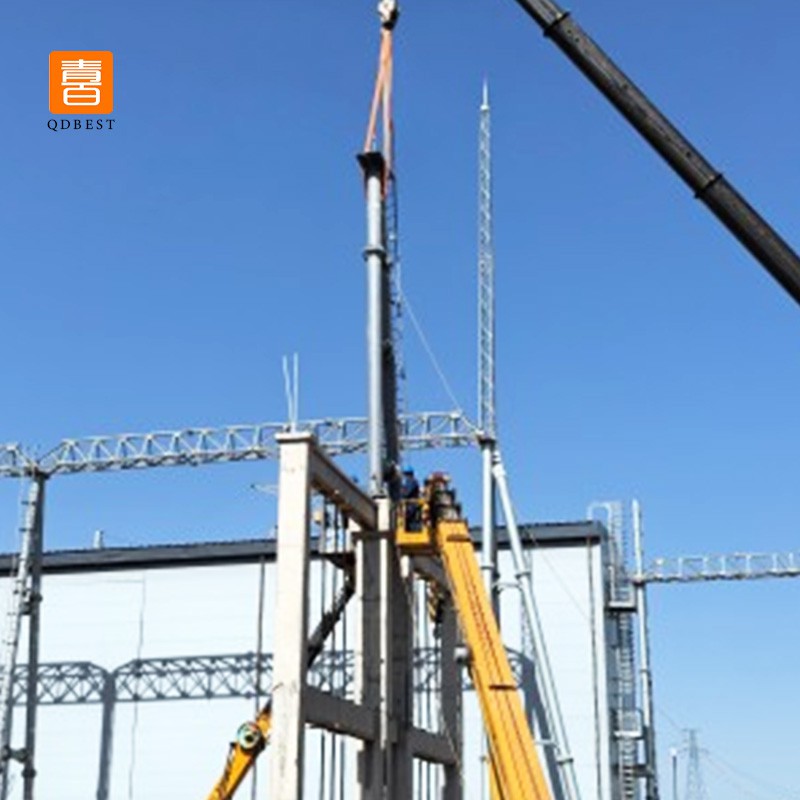

Substation structures are fabricated from structural steel selected for required strength, section availability, fabrication methods, and material specifications. Common requirements include structural angles, channels, plates, beams, hollow structural sections, tubular members, connection plates, base plates, bolts, and associated hardware. Actual material grades must be explicitly stated on approved drawings or purchase specifications.
Hot-Dip Galvanizing
Outdoor substations are exposed to weather, moisture, salt, industrial pollutants, and other corrosive conditions. Hot-dip galvanizing is widely specified to provide a protective zinc coating over the steel surface. Purchase specifications should clearly define the applicable galvanizing standard, coating thickness, inspection methods, and project-specific acceptance criteria rather than relying on generic descriptions.
Manufacturing Process
A typical substation structure fabrication workflow includes:
Engineering Review: Project drawings, loading information, steel grades, connection details, equipment interfaces, and specifications are reviewed prior to production.
Material Procurement: Steel sections, plates, bolts, and materials are sourced according to approved material specifications with traceability maintained per QA/QC requirements.
Cutting and Drilling: Members are cut to drawing dimensions, and connection holes are machined to specified diameters, spacing, and tolerances.
Forming and Assembly: Components are formed, fitted, and trial-assembled prior to welding or bolting.
Welding: Welded components are fabricated in accordance with approved welding procedures and inspection requirements.
Dimensional Inspection: Critical dimensions include overall member lengths, hole locations and spacing, base plate sizes, connection geometry, equipment mounting locations, and assembly dimensions.
Surface Treatment: Fabricated steel is prepared for specified corrosion-protection systems, such as hot-dip galvanizing or specialized coating systems.
Final Inspection and Packing: Finished components are checked against drawings and purchase requirements. For export projects, component identification and systematic packing are prioritized for safe delivery and smooth site erection.
Substation structures serve various power facilities, including:
Transmission Substations:
Deployed in high-voltage networks where large conductor spans, wide clearances, and high mechanical loads influence structural design.
Distribution Substations:
Supporting equipment, busbars, switches, and line terminations within distribution facilities.
Grid Interconnection Substations:
Providing steelwork for incoming transmission lines, outgoing feeders, and bus systems associated with generation or grid integration.
Renewable Energy Substations:
Supplying structural steel for solar and wind collector systems, transformers, switchgear, busbars, and transmission interfaces.
Industrial Substations:
Supporting internal power distribution systems across manufacturing plants, processing facilities, and mining sites.
FAQ
Qingdao BEST Steel Structure Co., Ltd. is one of the most professional substation structures manufacturers and suppliers in China. We warmly welcome you to buy customized substation structures made in China here from our factory. If you have any enquiry about OEM service, please feel free to email us.
Substation Steel Structure, Substation Gantry Structure, Electrical Structure