Lightning protection is of vital importance for galvanized‑steel communication towers. Typically tall and erected in open areas, communication towers are highly vulnerable to lightning strikes. A single lightning strike can cause severe damage to both the tower structure and the communication equipment mounted on it, and may even paralyze the entire communication network. Below we will discuss the lightning‑protection measures that should be adopted for galvanized‑steel communication towers.
1. Air Terminals (Lightning Rods)
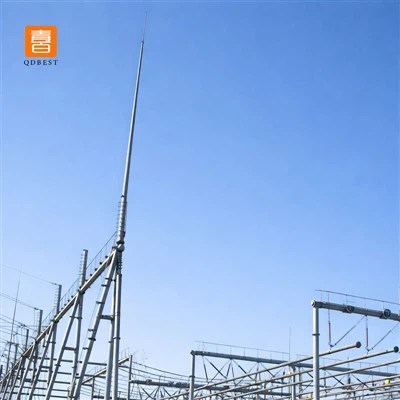
The most well - known lightning protection device is the air terminal, also known as a lightning rod. These are installed at the top of the telecom tower. The basic principle is that the air terminal provides a preferred path for the lightning to follow. Lightning is attracted to the highest point in the area, and by placing a lightning rod at the very top of the tower, we can ensure that the lightning will strike the rod instead of other parts of the tower.
When the lightning approaches, the air terminal creates an area of high - electric field intensity. This causes the lightning to ionize the air around the rod and form a conductive channel towards it. Once the lightning strikes the rod, it can then be safely conducted to the ground. For a Galvanized Steel Telecom Tower, it's crucial to choose high - quality air terminals that are made of materials like copper or aluminum alloy. These materials have good electrical conductivity, which allows the lightning current to flow through them easily. You can learn more about Galvanized Steel Telecom Towers here.
2. Down Conductors
After the lightning strikes the air terminal, we need to get the electrical current safely to the ground. That's where down conductors come in. Down conductors are metal cables or strips that connect the air terminal to the grounding system. They need to be installed in a way that provides a low - resistance path for the lightning current.
For a galvanized steel telecom tower, we usually use high - quality copper or aluminum conductors. These conductors should be firmly attached to the tower structure to prevent any disconnection during a lightning strike. We also need to make sure that there are no sharp bends or kinks in the down conductors, as these can increase the resistance and potentially cause the conductor to overheat or break under the high current of a lightning strike.
3. Grounding System
The grounding system is the final part of the lightning protection chain. Its main function is to dissipate the lightning current into the ground safely. A good grounding system for a telecom tower should have a low grounding resistance. This can be achieved by using multiple grounding electrodes, such as ground rods or grounding grids.
Ground rods are typically made of copper - clad steel. They are driven into the ground around the base of the tower. The number and depth of the ground rods depend on the soil resistivity in the area. In areas with high soil resistivity, we may need to use more ground rods or install them deeper. Grounding grids, on the other hand, are a network of interconnected conductors that are buried beneath the ground. They provide a larger surface area for the lightning current to disperse, which helps to reduce the grounding resistance.
4. Surge Protection Devices (SPDs)
Telecom towers are equipped with a lot of sensitive communication equipment, such as antennas, transmitters, and receivers. Even if the tower is protected from direct lightning strikes, the electromagnetic fields generated by a nearby lightning strike can induce high - voltage surges in the electrical and communication lines. These surges can damage the equipment.
That's where surge protection devices come in. SPDs are installed at the entry points of the electrical and communication lines into the tower. They work by diverting the excess voltage to the ground when a surge occurs. There are different types of SPDs, such as voltage - clamping SPDs and current - limiting SPDs. We need to choose the right type of SPDs based on the specific requirements of the telecom equipment and the characteristics of the power and communication lines.
5. Maintenance and Inspection
Installing all these lightning protection measures is not enough. We also need to perform regular maintenance and inspections to ensure that they are working properly. For example, we need to check the air terminals for any signs of corrosion or damage. If the air terminal is damaged, it may not be able to attract the lightning effectively.
The down conductors should be inspected for any loose connections or breaks. A broken down conductor can prevent the lightning current from reaching the ground safely. The grounding system also needs to be tested regularly to make sure that the grounding resistance is within the acceptable range. If the grounding resistance is too high, we may need to add more grounding electrodes or treat the soil to improve its conductivity.
Different Types of Telecom Towers and Their Lightning Protection Considerations
There are several types of telecom towers, and each type may have some unique lightning protection considerations.
Guyed Wire Steel Tower for Telecom
A Guyed Wire Steel Tower for Telecom is supported by guy wires. These guy wires can act as additional conductors for the lightning current. However, we need to make sure that the guy wires are properly grounded. If the guy wires are not grounded correctly, the lightning current may flow through the guy wires and cause damage to the tower or the equipment attached to it. We also need to check the tension of the guy wires regularly during maintenance, as loose guy wires can affect the overall stability of the tower during a lightning strike.
Guyed Wire Galvanized Tubular Steel Telecommunication Tower
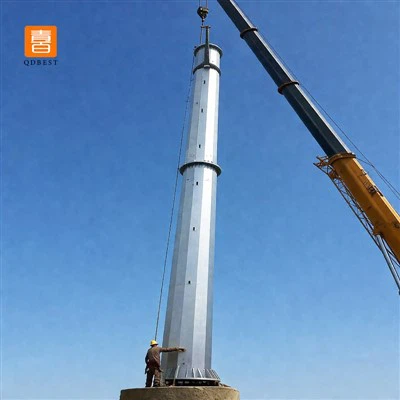
The Guyed Wire Galvanized Tubular Steel Telecommunication Tower has a tubular structure. The tubular design can provide some natural shielding for the internal equipment. But we still need to make sure that the air terminals, down conductors, and grounding system are properly installed. In addition, the tubular sections should be electrically continuous to ensure the smooth flow of the lightning current.


Self - supporting Telecommunication Guyed Wire Steel Lattice Tower
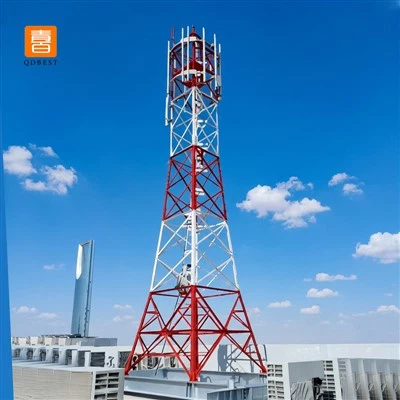
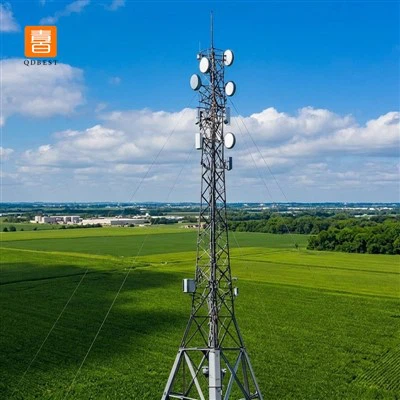
The Self - supporting Telecommunication Guyed Wire Steel Lattice Tower is a self - standing structure. The lattice design allows for good ventilation and reduces wind resistance. When it comes to lightning protection, we need to pay special attention to the joints in the lattice structure. The joints should be well - connected to ensure the electrical integrity of the tower.
4 Leg Telecommunication Microwave Tower
The 4 Leg Telecommunication Microwave Tower is often used for microwave communication. These towers usually have a more complex arrangement of antennas and equipment. The lightning protection measures need to be carefully designed to protect the sensitive microwave equipment. We may need to install additional surge protection devices at the antenna feeders and communication interfaces.
Contact for Procurement
If you're in the market for a top - notch galvanized steel telecom tower with reliable lightning protection measures, don't hesitate to reach out. Our team has the expertise and experience to provide you with the best solutions for your telecom needs. Whether you're looking for a Guyed Wire Steel Tower for Telecom or a Self - supporting Telecommunication Guyed Wire Steel Lattice Tower, we've got you covered. Start the discussion about your project requirements, and let's build a robust and safe telecom infrastructure together.