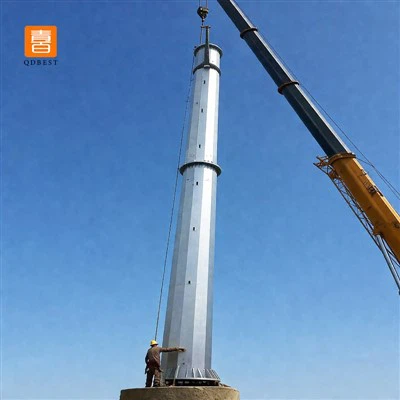
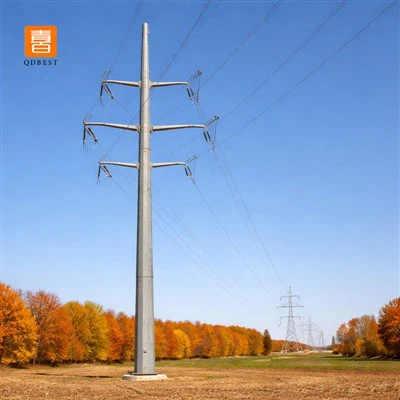
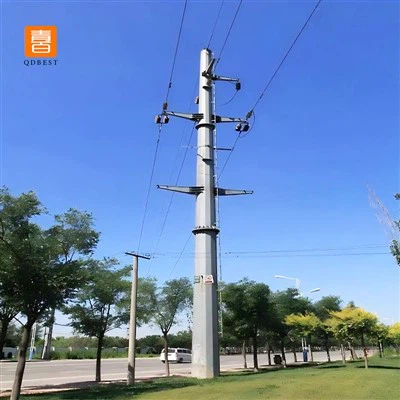
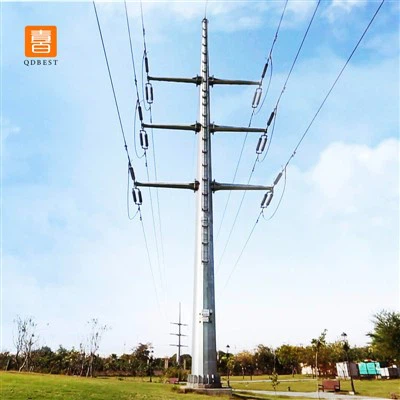
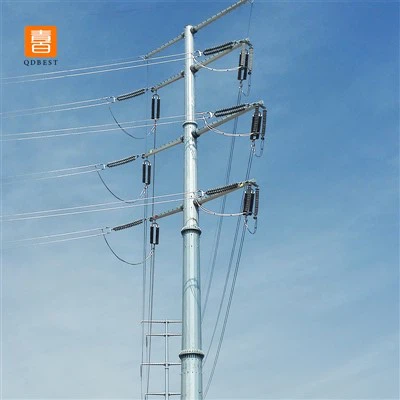
Communication towers (also commonly known as communication towers, signal towers, or base station towers) are large steel structures specifically designed and built for erecting wireless communication antennas (such as mobile phone signal base station antennas, microwave transmission antennas, and broadcast television transmitting antennas). Their main function is to provide support for the antennas, elevating them to a sufficient height to extend the coverage of wireless signals, and providing a stable and safe installation platform for the antennas and communication equipment. Communication towers are primarily constructed of high-strength steel, with common structural forms including angle steel towers, single-tube towers, and guyed towers. Heights range from tens to hundreds of meters. Designs must meet stringent requirements for wind pressure resistance, icing resistance, overturning resistance, and lightning protection grounding. Towers typically include maintenance ladders, rest platforms, lightning rods, and other auxiliary facilities.
Communication towers themselves do not transmit signals; the signals are transmitted by the antennas on the tower. The radiation direction and power of the antennas are strictly designed and controlled, complying with national safety standards, and have minimal radiation impact on the surrounding environment. According to the national "Regulations on Electromagnetic Radiation Protection", the limit in my country for the frequency bands commonly used by base stations, such as 900 MHz and 1800 MHz, is 40 microwatts per square centimeter. In actual tests, the radiation intensity is often around 5 microwatts per square centimeter. Compared with the household appliances we come into contact with every day, the radiation from base stations and mobile phones is negligible.