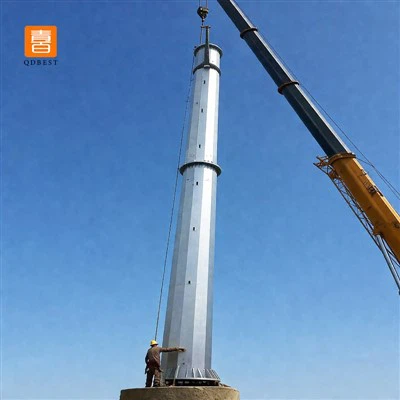
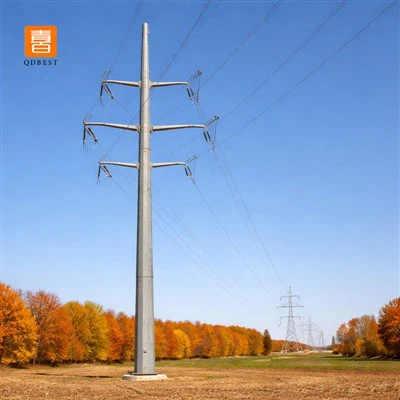
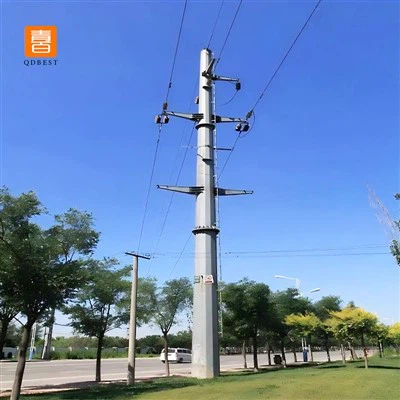
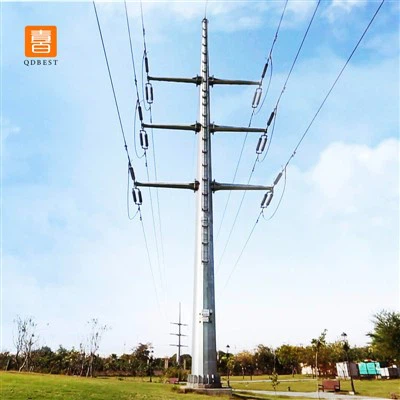
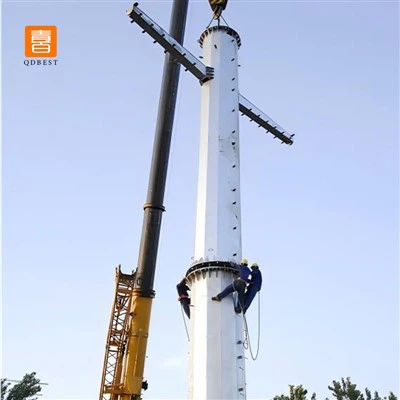
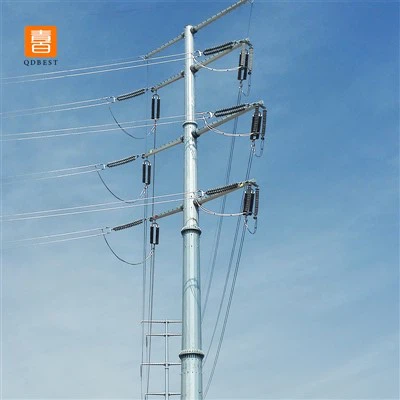
There is no fixed standard for the height of communication towers; it is flexibly adjusted based on the actual application scenario, coverage requirements, and tower structure characteristics. Generally, the height of communication towers ranges from 10 meters to 150 meters, but may exceed this range due to special needs.
In core urban areas, due to the dense concentration of tall buildings, signal obstruction is easily achieved. Therefore, the height of communication towers is typically between 10 and 30 meters. These towers often exist as building-attached extensions or low freestanding towers, aiming to cover a radius of 1-2 kilometers while avoiding visual conflict with surrounding buildings.
In suburban and rural areas, where building density is relatively low, the height of communication towers is generally between 30 and 60 meters. This height effectively expands the coverage radius (usually reaching 2-5 kilometers) while balancing coverage effectiveness and construction costs.
For remote rural areas and mountainous regions, due to sparse user distribution and complex terrain, the height of communication towers is mostly between 60 and 120 meters, or even higher. These tall towers can overcome terrain obstructions such as trees and hills, covering a wider area, typically 5-10 kilometers, thus reducing the number of base stations required.
Furthermore, in special scenarios, such as plains or deserts, communication towers may reach heights of 120 to 150 meters to maximize coverage. In scenic areas or historical districts, to maintain harmony with the landscape, integrated towers disguised as trees or streetlights are typically kept between 10 and 20 meters in height.
The selection of communication tower height is a comprehensive process, considering factors such as signal coverage requirements, surrounding environmental limitations, and tower structural characteristics. In practical applications, flexible adjustments are necessary based on specific circumstances to achieve optimal coverage and economic benefits.