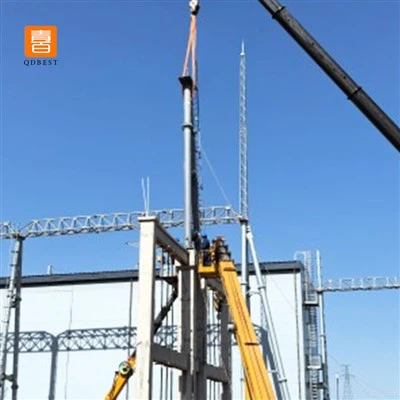
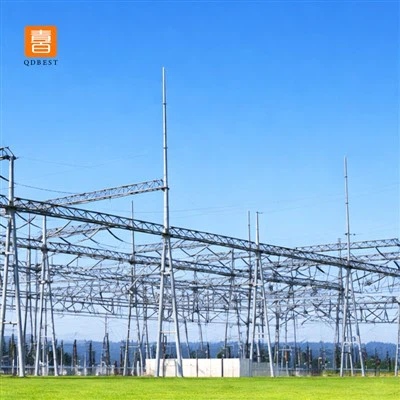
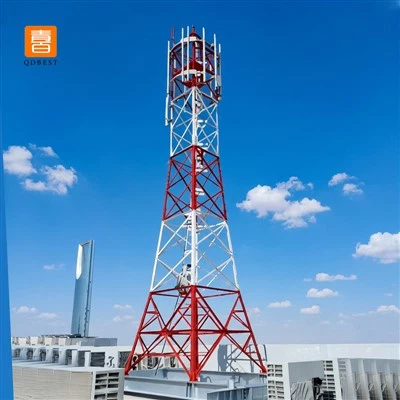
Lightning strikes pose severe safety hazards to tubular towers, which are widely used in communications, broadcasting, power transmission and other industries. Our company fully understands the critical importance of lightning protection for such towers. This article introduces several effective lightning protection measures for tubular towers.
Understanding the Risk of Lightning Strikes
Before we delve into prevention methods, it's crucial to understand why tubular towers are at risk of lightning strikes. Tubular towers are often tall structures that protrude above the surrounding landscape. This makes them more likely to be struck by lightning, as lightning tends to target the highest objects in an area. Additionally, the metal components of tubular towers are good conductors of electricity, which can attract lightning and cause significant damage if not properly protected.
Installing Lightning Protection Systems
One of the most effective ways to prevent lightning strikes on tubular towers is to install a lightning protection system. A lightning protection system typically consists of three main components: air terminals, conductors, and grounding systems.
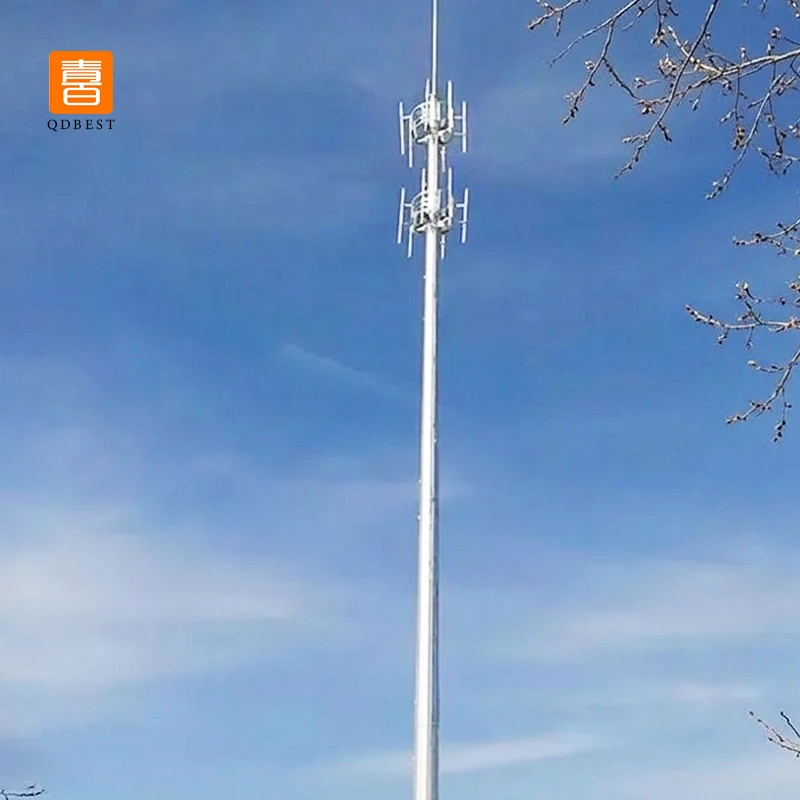

- Air Terminals: Air terminals, also known as lightning rods, are installed at the top of the tubular tower. Their purpose is to intercept lightning strikes and provide a path for the electrical current to flow safely to the ground. Air terminals are usually made of conductive materials such as copper or aluminum and are designed to attract lightning strikes away from the tower structure.
- Conductors: Conductors are used to connect the air terminals to the grounding system. They are typically made of copper or aluminum and are installed along the exterior of the tower. The conductors provide a low-resistance path for the electrical current to flow from the air terminals to the ground, minimizing the risk of damage to the tower.
- Grounding Systems: Grounding systems are essential for dissipating the electrical energy from lightning strikes safely into the ground. A grounding system typically consists of grounding electrodes, such as ground rods or plates, which are buried in the soil around the base of the tower. The grounding electrodes are connected to the conductors to provide a path for the electrical current to flow into the ground.
Ensuring Proper Tower Design
In addition to installing a lightning protection system, proper tower design can also help prevent lightning strikes. Here are some design considerations to keep in mind:
- Height and Shape: The height and shape of the tubular tower can affect its susceptibility to lightning strikes. Taller towers are more likely to be struck by lightning, so it's important to consider the height of the tower when designing it. Additionally, towers with a more streamlined shape are less likely to attract lightning strikes than towers with a more complex shape.
- Material Selection: The materials used to construct the tubular tower can also affect its lightning protection. Metal towers are good conductors of electricity, which can make them more attractive to lightning strikes. However, using non-conductive materials or coating the tower with a non-conductive material can help reduce the risk of lightning strikes.
- Bonding and Grounding: Proper bonding and grounding of the tower components are essential for preventing lightning strikes. All metal components of the tower should be bonded together to ensure that they are at the same electrical potential. Additionally, the tower should be grounded to provide a path for the electrical current to flow safely to the ground.
Regular Maintenance and Inspections
Regular maintenance and inspections are crucial for ensuring the effectiveness of the lightning protection system and the overall safety of the tubular tower. Here are some maintenance and inspection tasks to perform:
- Visual Inspections: Conduct regular visual inspections of the tower and the lightning protection system to check for any signs of damage or wear. Look for loose connections, corrosion, or damage to the air terminals, conductors, or grounding system.
- Testing and Monitoring: Periodically test and monitor the lightning protection system to ensure that it is functioning properly. This may include testing the resistance of the grounding system, checking the continuity of the conductors, and inspecting the air terminals for damage.
- Repairs and Replacements: If any damage or wear is detected during the inspections or testing, it's important to make the necessary repairs or replacements as soon as possible. This will help ensure the continued effectiveness of the lightning protection system and the safety of the tower.
Our Tubular Tower Products
As a tubular tower supplier, we offer a wide range of high-quality tubular towers that are designed to withstand lightning strikes and other environmental hazards. Our products include:
- Triangular Self Supporting Communication Steel Tubular Tower: This type of tower is ideal for telecommunications applications and is designed to provide reliable support for communication equipment.
- Galvanized Outdoor Steel Wifi Tower: This tower is specifically designed for outdoor wifi applications and is made of galvanized steel to provide corrosion resistance.
- Monopole Steel Pipe Tower: This type of tower is commonly used in power transmission and telecommunications applications and is designed to provide a single, vertical support structure.
Contact Us for More Information
If you are interested in learning more about our tubular tower products or need assistance with lightning protection for your tower, please contact us. Our team of experts is available to answer your questions and provide you with the information you need to make an informed decision. We look forward to working with you to ensure the safety and reliability of your tubular tower.