


Electrical grounding requirements for communication angle steel tower structures are of critical importance. Proper grounding directly affects the operational performance, safety and service life of both the tower body and the communication equipment mounted on it. This blog post elaborates on relevant knowledge in detail.
Why Electrical Grounding is Important
First off, why do we even need electrical grounding for a Communication Angle Steel Tower? Well, there are a few key reasons.
Lightning protection is one of the most obvious ones. Lightning strikes can carry an enormous amount of electrical energy. Without proper grounding, this energy can damage the tower, the communication equipment on it, and even pose a risk to people nearby. By providing a low - resistance path to the ground, the electrical energy from a lightning strike can be safely dissipated, minimizing the potential for damage.
Another reason is to protect against electrical faults. If there's a short - circuit in the electrical system of the tower or the connected communication equipment, grounding helps to redirect the fault current to the ground. This not only protects the equipment but also reduces the risk of electrical shock to maintenance personnel.
General Grounding Requirements
Ground Resistance
One of the primary requirements is to achieve a low ground resistance. The ground resistance should typically be less than 10 ohms. However, in some cases, especially in areas with high lightning activity or where sensitive communication equipment is installed, a lower resistance, such as 5 ohms or even 1 ohm, may be required.
To measure the ground resistance, you can use a ground resistance tester. This device sends a known current into the ground through the grounding system and measures the resulting voltage. Based on Ohm's law (V = IR), the resistance can be calculated.
Grounding Electrodes
Grounding electrodes are essential components of the grounding system. Common types of grounding electrodes used for Communication Angle Steel Towers include:
- Ground Rods: These are typically made of copper - clad steel or solid copper. They are driven into the ground to a certain depth, usually at least 2.5 meters. Multiple ground rods may be used and connected together to reduce the overall ground resistance.
- Ground Plates: These are flat metal plates, usually made of copper or galvanized steel. They are buried in the ground at a suitable depth. Ground plates provide a larger surface area in contact with the soil, which helps to improve the grounding performance.
Bonding
All metal components of the tower, including the angle steel structure, the equipment racks, and the electrical conduits, should be properly bonded together. Bonding ensures that all parts of the tower are at the same electrical potential, which helps to prevent electrical arcing and reduces the risk of electrical shock.
Site - Specific Considerations
Soil Conditions
The soil conditions at the tower site play a significant role in determining the grounding requirements. Soils with high resistivity, such as dry sandy soils or rocky soils, can make it more difficult to achieve a low ground resistance. In such cases, additional grounding electrodes may be required, or techniques like using ground enhancement materials can be employed.

Ground enhancement materials, such as bentonite or conductive salts, can be added to the soil around the grounding electrodes. These materials help to improve the conductivity of the soil, reducing the ground resistance.
Tower Height and Location
Taller towers are more likely to be struck by lightning, so they may require more robust grounding systems. Towers located in open areas or on hilltops are also at a higher risk of lightning strikes. In these cases, additional lightning protection measures, such as lightning rods or air terminals, may be necessary.
Installation and Maintenance
Installation
During the installation of the Communication Angle Steel Tower, the grounding system should be installed simultaneously. The grounding electrodes should be properly placed and connected to the tower structure. All connections should be tight and corrosion - resistant to ensure long - term reliability.
Maintenance
Regular maintenance of the grounding system is essential. This includes inspecting the grounding electrodes for corrosion, checking the connections for tightness, and measuring the ground resistance periodically. If the ground resistance exceeds the required value, corrective actions, such as adding more grounding electrodes or replacing corroded components, should be taken.
Our Products and Services
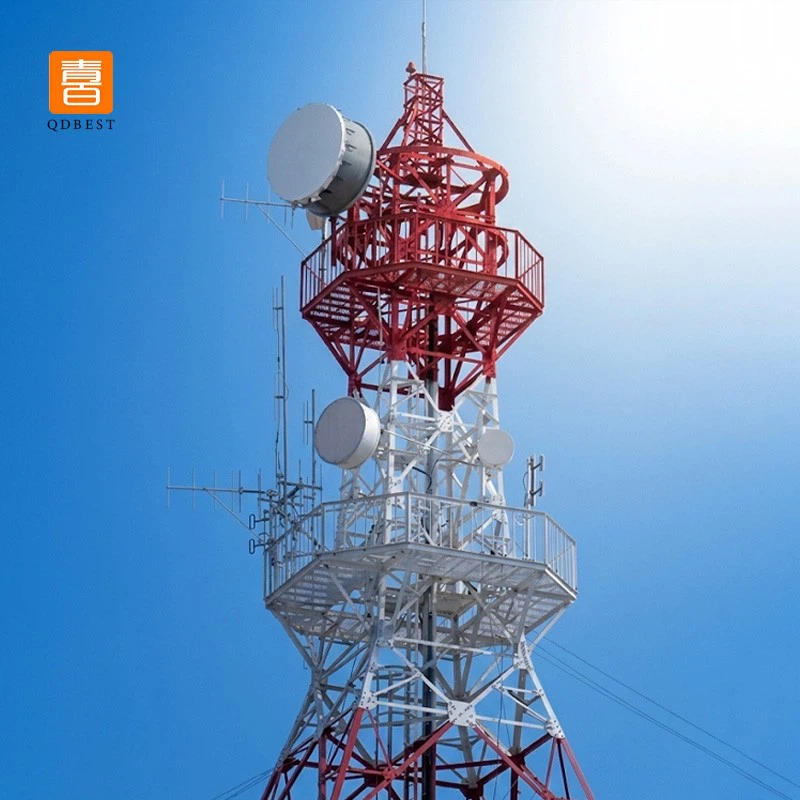
As a supplier of Communication Angle Steel Tower, we offer high - quality towers that are designed to meet all the necessary electrical grounding requirements. Our towers are made from high - strength angle steel, ensuring durability and stability.
We also provide comprehensive installation and maintenance services. Our team of experienced technicians can ensure that the grounding system is installed correctly and maintained properly. Whether you need a Roof - top Telecommunication Tower or a large - scale Telecom Angle Steel Tower, we have the expertise to meet your needs.
If you're in the market for a Communication Angle Steel Tower and want to learn more about our products and services, or if you have any questions about electrical grounding requirements, don't hesitate to get in touch. We're here to help you make the right choice for your communication needs.


