Angle steel communication towers stand outdoors year-round and must withstand various weather conditions, among which strong winds pose a major challenge. This blog post shares key design considerations for angle steel communication towers against gusts.
The Basics of Tower Design for Wind Resistance
First off, you gotta understand the forces at play. Wind creates both static and dynamic loads on a tower. Static loads are the constant pressure the wind exerts, while dynamic loads come from the changing direction and intensity of the wind, like when there's a gust.
Choosing the Right Shape
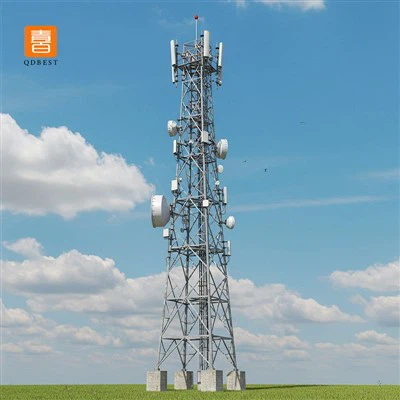
The shape of the tower matters a whole lot. A Lattice Telecommunication Tower is a great option. The lattice design allows the wind to pass through the structure, reducing the overall wind load. It's like a net that catches less wind compared to a solid structure.


Another popular choice is the Four-legged Lattice Tower. This design provides excellent stability. The four legs distribute the load evenly, making it more resistant to tipping over in strong winds. The triangular bracing in the lattice also helps to transfer the forces from one part of the tower to another, keeping everything in balance.
Material Selection
The materials you use are crucial. Angle steel is a top pick for these towers because it's strong and lightweight. It can withstand high stress without adding too much weight to the structure. You want to make sure the angle steel you choose has the right strength and thickness for the expected wind loads.
Galvanized angle steel is even better. The galvanization process coats the steel with a layer of zinc, which protects it from corrosion. This is important because a corroded tower can lose its strength over time, making it more vulnerable to wind damage. Our 35M Telecom 4-Legged Galvanized Angular Steel Towers are a prime example of using high-quality, galvanized angle steel to ensure long-lasting performance.
Foundation Design
A strong foundation is the key to a wind-resistant tower. The foundation needs to be able to anchor the tower firmly to the ground and resist the overturning moment created by the wind. When designing the foundation, you need to consider the soil conditions at the site. Different types of soil have different bearing capacities, so the foundation design will vary accordingly.
For a Telecom Lattice Tower, a deep foundation might be required in areas with soft soil. This could involve using piles or caissons to reach a more stable layer of soil. In other cases, a shallow foundation like a spread footing might be sufficient. The important thing is to make sure the foundation is properly sized and reinforced to handle the loads.
Wind Load Calculation
Before you start designing, you need to accurately calculate the wind loads. This involves understanding the local wind climate, including the average wind speed, the maximum wind speed, and the frequency of strong winds. There are codes and standards available that can help you with these calculations.
Once you have the wind load data, you can use structural analysis software to model the tower and determine how it will respond to the winds. This allows you to make adjustments to the design, such as increasing the thickness of the angle steel or changing the bracing pattern, to ensure the tower can withstand the expected loads.
Aerodynamic Considerations
In addition to the structural design, you can also consider the aerodynamics of the tower. For example, adding smooth and rounded elements to the tower can reduce the drag force caused by the wind. You can also optimize the tower's shape to minimize the formation of eddies, which can increase the dynamic loads on the structure.
Testing and Validation
After the design is complete, it's a good idea to do some testing and validation. This could involve building a scale model of the tower and subjecting it to wind tunnel tests. These tests can help you verify the wind resistance of the design and identify any potential issues.
You can also use numerical simulations to validate the design. These simulations can provide detailed information about the tower's performance under different wind conditions, allowing you to make further improvements if necessary.
Regular Maintenance
Finally, even the best-designed tower needs regular maintenance to ensure its long-term wind resistance. You should regularly inspect the tower for any signs of damage, such as cracks or corrosion. If any issues are found, they should be addressed immediately to prevent further damage.
Contact for Purchase and Negotiation
If you're in the market for an Angle Steel Telecommunication Tower that can stand up to strong winds, I'd love to talk to you. We've got a wide range of options available, and our team can work with you to design a tower that meets your specific needs. Whether you're building a small tower for a local cell site or a large one for a major network, we've got the expertise to get the job done right. Contact us to start the conversation and let's see how we can help you out.