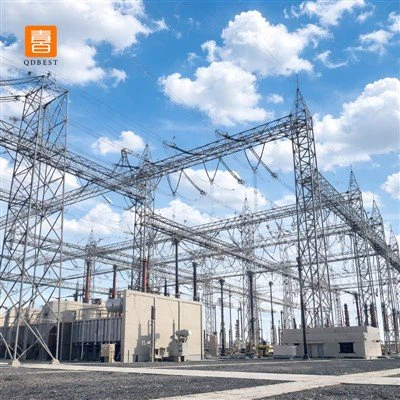
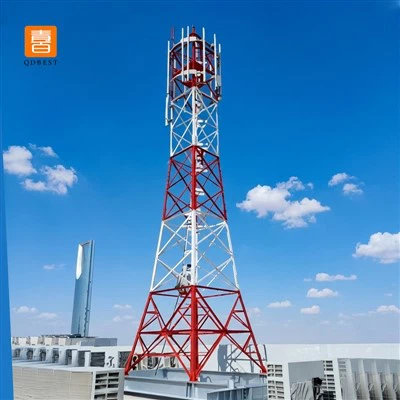
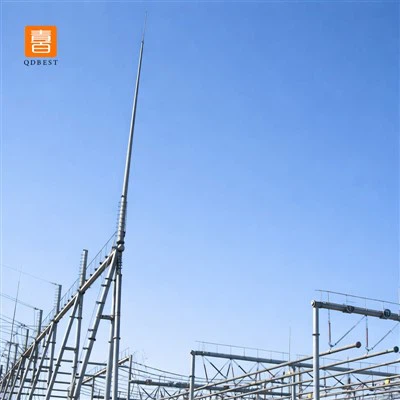
If you've ever sat in on a power distribution substation design meeting, you know that short-circuit analysis isn't just some fancy engineering checkbox-it's the backbone of keeping substations safe, reliable, and compliant with every regional grid code out there. Let's break down the most common methods, how they apply to our substations, and why they matter for anyone working with a Power Distribution Substation setup.
First, let's get a quick definition out of the way: short-circuit analysis calculates the magnitude of abnormal current that flows when two or more conductors make unintended contact (like a phase-to-ground fault, phase-to-phase fault, or all three phases shorting out). This current is way higher than normal operating current, so it directly impacts how we spec equipment-from circuit breakers and transformers to the structures that hold everything up. Speaking of structures, our Substation Steel Structure and Electrical Structure lines are built to handle the mechanical forces from fault current, and that's all rooted in the short-circuit numbers we pull from analysis.
Now, the methods themselves. They aren't one-size-fits-all; each has a use case, depending on the substation's voltage level, size, and how much data we have to work with. Let's start with the most basic one I see used for small, low-voltage distribution substations: the Per-Unit (PU) Method. This is the bread and butter for quick, back-of-the-envelope calculations, especially when you don't have super detailed impedance data for every component. Here's how it works: instead of using actual ohms or amps, you convert all impedances to a common per-unit base (usually 100 MVA or the substation's rated MVA) and solve for fault current using a simplified impedance diagram. It's fast, it's easy to hand off to a junior engineer, and it's perfect for preliminary design phases-like when a client first reaches out and just needs a rough idea of what kind of breaker they'll need. But here's the catch: the Per-Unit Method's accuracy drops off for larger, high-voltage substations with multiple parallel branches or long transmission lines. If you're working on a 138 kV distribution substation, you can't rely solely on this method-you'll need something more precise.
Next up, the Symmetrical Component Method, which is the workhorse for most medium to high-voltage substations (think 34.5 kV up to 230 kV). This one's brilliant because it handles unbalanced faults-you know, the ones that don't hit all three phases at once, which are super common in real-world operations. The method splits unbalanced currents into three sets of "symmetrical components": positive, negative, and zero-sequence. Each has its own impedance path, so you can model how current flows under a phase-to-ground fault, a line-to-line fault, or a double line-to-ground fault-all of which the simple Per-Unit Method can't do accurately. At our company, we use the Symmetrical Component Method for almost all our custom Gantry Structures for Electrical Substations and Substation Gantry Structure designs, because gantries are critical for busbar connections, and their structural integrity depends on accurate fault current calculations. If we miscalculate the zero-sequence impedance, the gantry could end up under-sized for the magnetic forces during a fault, which is a huge safety risk.
Then there's the Computer-Aided Analysis Method, which is non-negotiable for large, complex distribution substations with multiple feeders, transformers, and distributed energy resources (DERs) like solar or battery storage. Back in the day, engineers did short-circuit calculations by hand with slide rules and big paper diagrams, but now we use software like ETAP, PSCAD, or MATLAB to model every single component in the substation and its connection to the broader grid. This method can handle real-time data, dynamic load changes, and even the way DERs contribute to fault current (which is a big deal now, as more grids are adding renewables). For example, if a substation has a 5 MVA solar array connected to its busbars, the computer model can show how that solar adds extra current during a fault, so we can adjust breaker ratings and structure design accordingly. This is also the method we use when a client needs a full compliance report for their utility-regulators usually require computer-generated short-circuit analysis for any substation that's going to be part of a regional transmission grid.
Wait, there's also the Instantaneous Analysis Method, which is mostly used for low-voltage distribution substations (like 120/240V commercial or residential feeder substations). This one focuses on the very first millisecond of a short circuit, when current spikes to its maximum instantaneous value. It's used to set up protective relays that trip fast enough to prevent equipment damage-for example, a circuit breaker in a grocery store's distribution substation needs to trip in 0.01 seconds if there's a short, so the instantaneous analysis tells us exactly how to calibrate that relay. It's simpler than the Symmetrical Component Method, but only works for low-voltage, balanced fault scenarios.
Now, let's talk about where these methods intersect with our work as a substation supplier. I can't tell you how many times a client will come to us with a vague design, say "we need a distribution substation" and not realize that the short-circuit analysis is going to dictate almost every part of their order. The gantries we build? Their span, their steel thickness, their foundation size? All of it is based on the fault current values we get from the analysis. The steel structures, the busbars, even the type of insulators-everything ties back to those calculations. For example, last year we worked on a project for a city-owned distribution substation that had a 25 kA fault current, so we had to spec thicker steel for the gantries than a project with a 15 kA fault current. If we'd used the wrong short-circuit method (like the basic Per-Unit Method) for that high-voltage site, we would've guessed a lower fault current, ordered under-sized structures, and the whole project would've failed inspections.
Another thing to note: every method has pros and cons, and no one is "better" than the other-it's all about the application. The Per-Unit Method is great for quick estimates, but not for final design. The Symmetrical Component Method is perfect for unbalanced faults, but requires some hand calculations if you don't have software. Computer-aided analysis is super accurate, but can be overkill for tiny, rural distribution substations with just one transformer. As suppliers, we help our clients pick the right method based on their substation's specs, so they don't waste time or money on the wrong approach.
Wait, let's also touch on a common mistake I see new engineers make: skipping the zero-sequence impedance calculation. That's the part of the Symmetrical Component Method that deals with current flowing to ground, and it's super important for gantry structures because ground faults exert a lot of mechanical force on the substation's steel work. A few years back, we had a client that used a simplified analysis and forgot to account for zero-sequence impedance, and after a test fault, one of their gantry beams had a hairline crack. We had to retrofit their structure, which cost them thousands of dollars and delayed their launch. That's why we always emphasize using the full Symmetrical Component Method (not just positive-sequence) when designing structures that handle busbars or ground connections.
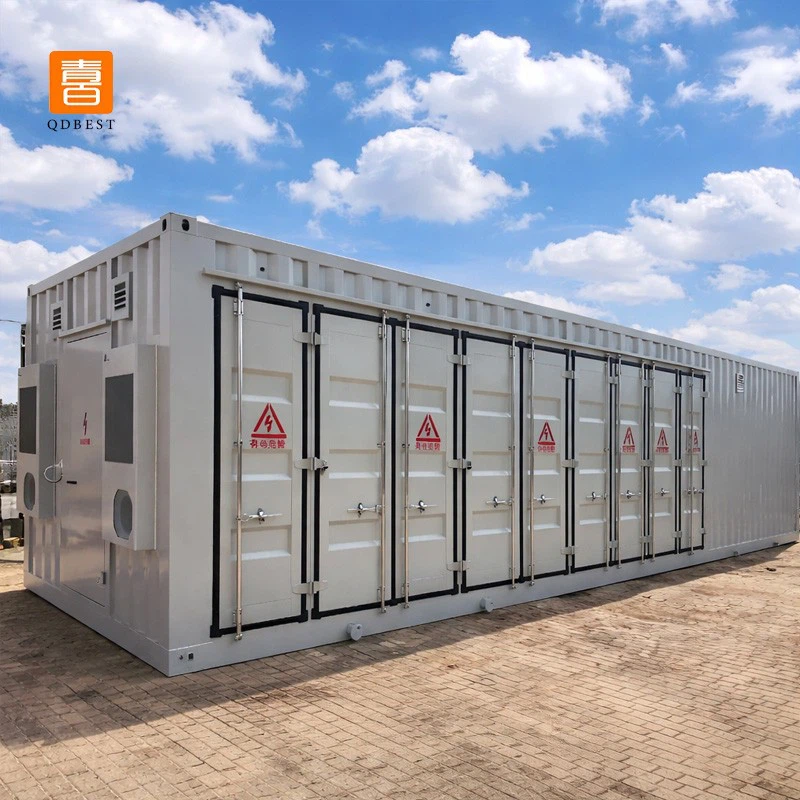
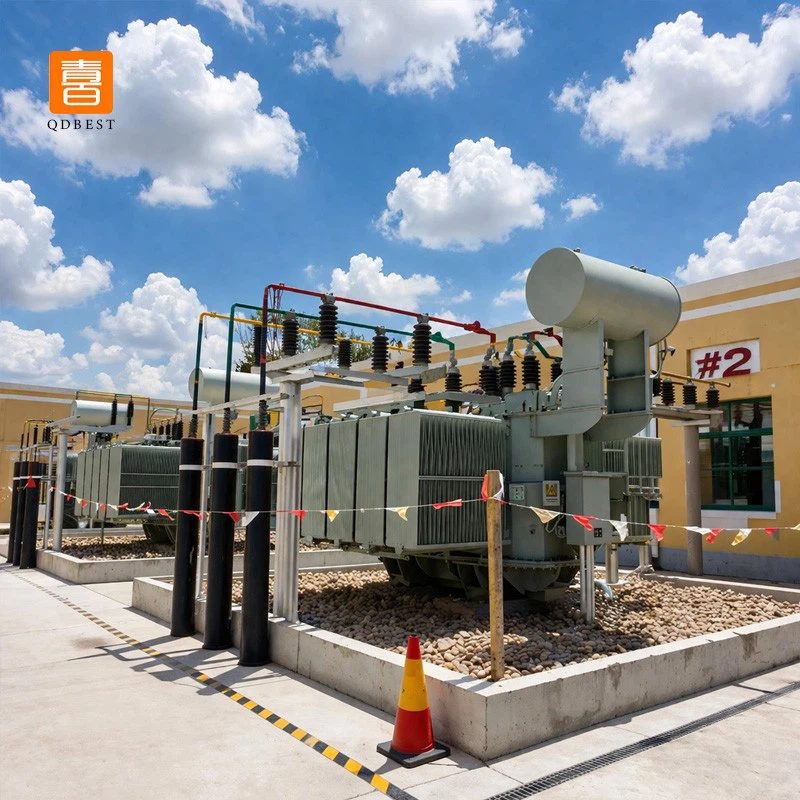
Now, if you're working on a distribution substation project-whether you're a grid operator, an engineer, or a facility manager-you're going to need to nail down short-circuit analysis first. As a supplier specializing in Power Distribution Substation equipment, gantries, and steel structures, we've got the expertise to walk you through which method fits your needs, and build the hardware that can handle whatever fault current your analysis throws at you. If you're ready to start planning your next substation, or just want to run your short-circuit numbers by someone who's been in the game, reach out to our team to chat about your project. We'll help you avoid the costly missteps that come with picking the wrong analysis method, and make sure your substation is safe, reliable, and built to last.