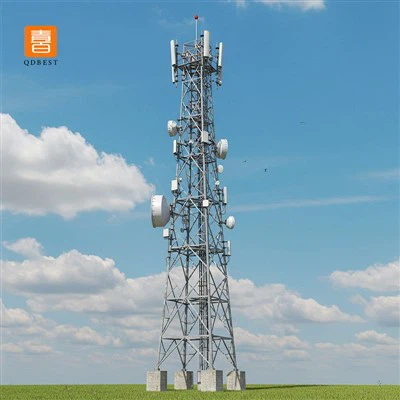
The substation gantry structure has many practical application shortcomings, and there are many rigid constraints on its overall adaptation and implementation.Let's dive into what those are.
1. High Initial Cost
One of the most significant drawbacks of using a steel substation gantry structure is the high initial cost. Steel is a relatively expensive material, and when you're building a large - scale substation gantry, the costs can really add up. The price of steel fluctuates based on market conditions, and if you're unlucky enough to start a project when steel prices are high, you could be looking at a substantial bill.
For example, fabricating the steel components, transporting them to the site, and then erecting the gantry all require a significant amount of capital. You've got to pay for the labor, the equipment for installation, and of course, the steel itself. This high upfront cost can be a major deterrent for some power companies, especially those on a tight budget. It might force them to look for alternative materials or structures that are more cost - effective. If you're interested in learning more about Substation Gantry Structure, check out Substation Gantry Structure.
2. Corrosion and Maintenance
Steel is prone to corrosion, especially when it's exposed to harsh environmental conditions. In a substation, the gantry is often located outdoors, where it can be exposed to rain, humidity, and various chemicals in the air. Over time, this can lead to rust formation on the steel.
Corrosion not only affects the appearance of the gantry but also its structural integrity. Rust weakens the steel, which can compromise the safety of the entire substation. To prevent corrosion, regular maintenance is required. This includes applying protective coatings, inspecting the structure for signs of rust, and performing repairs as needed.
Maintenance can be time - consuming and expensive. You need to hire skilled workers to carry out the inspections and repairs, and the cost of the protective coatings can also add up. If maintenance is neglected, the corrosion can progress to a point where the gantry needs to be replaced, which is a huge expense.


3. Heavy Weight
Steel substation gantry structures are heavy. This can pose several challenges during the installation process. First of all, you need heavy - duty equipment to lift and position the steel components. This means you have to rent or purchase specialized cranes and other lifting machinery, which adds to the cost of the project.
The heavy weight also means that the foundation of the substation needs to be strong enough to support the gantry. Building a strong foundation can be complex and costly. If the foundation is not properly designed or constructed, it can lead to settlement issues, which can cause the gantry to become unstable.
Moreover, the heavy weight makes transportation more difficult. You need larger trucks and more careful handling to move the steel components from the manufacturing site to the substation. This can increase the risk of damage during transit.
4. Design Limitations
Steel gantry structures have some design limitations. They are typically more rigid compared to other materials. This means that it can be more challenging to create complex or unique designs. If a power company has specific design requirements for their substation, a steel gantry might not be the best option.
For example, if they want a gantry that can adapt to a non - standard layout or has a specific aesthetic appeal, the rigidity of steel can make it difficult to achieve. In some cases, the design limitations can also affect the functionality of the substation. For instance, if the gantry can't be designed to accommodate certain types of electrical equipment, it can lead to inefficiencies in the power distribution system. You can find more about Power Substation Structures on Power Substation Structures.
5. Environmental Impact
The production of steel has a significant environmental impact. It requires a large amount of energy to extract and process iron ore into steel. This energy consumption contributes to greenhouse gas emissions, which are a major cause of climate change.
In addition, the manufacturing process generates a lot of waste, such as slag and dust. These waste products can have a negative impact on the environment if not properly managed. When the steel gantry reaches the end of its life, disposing of it can also be a challenge. Recycling steel is possible, but it still requires energy and resources.
6. Limited Flexibility
Once a steel substation gantry is installed, it's not very flexible. If there are changes in the power requirements of the substation or if new equipment needs to be added, it can be difficult to modify the gantry. Steel structures are often designed and built to be permanent, and making significant changes can be costly and time - consuming.
For example, if a power company wants to upgrade the electrical equipment in the substation and needs to increase the height or width of the gantry, it might require a complete overhaul of the structure. This can disrupt the normal operation of the substation and cause downtime, which can be costly for the power company.
7. Vulnerability to Extreme Weather
Steel gantry structures are vulnerable to extreme weather conditions. High winds, heavy snow, and ice can put a lot of stress on the structure. In areas prone to hurricanes or severe winter storms, the gantry may be at risk of damage.
For instance, strong winds can cause the gantry to sway or even collapse if it's not properly designed and reinforced. Heavy snow and ice can add extra weight to the structure, which can also lead to structural failure. To mitigate these risks, additional engineering and reinforcement are required, which again adds to the cost.
Despite these disadvantages, steel substation gantry structures still have many advantages, such as high strength and durability. But it's important for power companies to be aware of the drawbacks before making a decision.
If you're in the market for a substation gantry structure and want to discuss your specific needs, feel free to reach out. We're here to help you make the best choice for your power substation. And if you want to learn more about Electrical Structure, check out Electrical Structure.