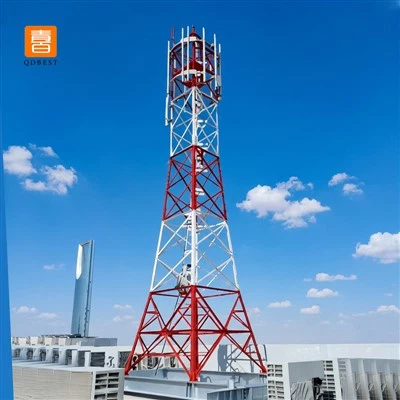
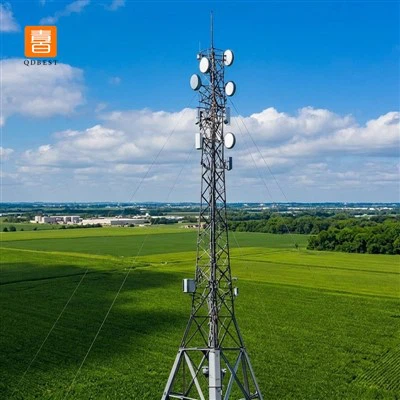
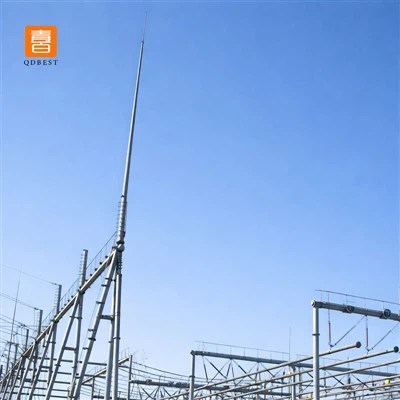
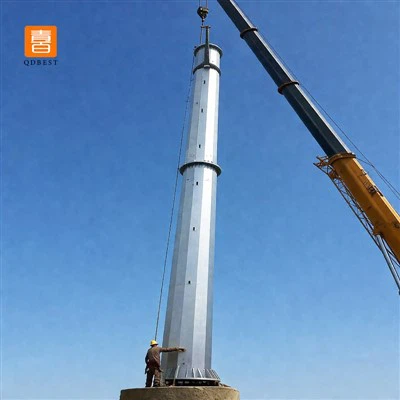
Driven by rising demand across various industries, suppliers of single-tube steel poles are witnessing robust market growth, especially within the telecommunications sector. As critical infrastructure for ensuring stable communication operations, such steel towers also provide essential support for other basic services. It is crucial for operators and investors to clarify the maintenance costs of single-tube steel towers. This article analyzes the core factors affecting tower maintenance costs and shares practical strategies for effective cost control.
1. Structural Inspection and Maintenance
One of the primary aspects of maintaining a Monopole Steel Pipe Tower is regular structural inspection. Over time, exposure to environmental factors such as wind, rain, and temperature fluctuations can cause wear and tear on the tower's components. Structural inspections typically involve a thorough assessment of the tower's foundation, steel structure, and connections.
Foundation Inspection
The foundation is the base of the tower, and any issues with it can lead to significant problems. Inspectors will check for signs of settlement, cracking, or corrosion in the foundation. If any issues are detected, repairs or reinforcement may be required. The cost of foundation inspection and repair can vary depending on the severity of the problem. For example, minor cracks may only require simple patching, while more significant settlement issues may require extensive underpinning, which can be quite costly.
Steel Structure Inspection
The steel structure of the tower is also subject to corrosion and fatigue. Inspectors will look for signs of rust, dents, or deformation in the steel pipes. Regular cleaning and painting can help prevent corrosion, but if the corrosion has already set in, more extensive treatment may be necessary. This could involve sandblasting the affected areas and applying a new coat of protective paint. The cost of steel structure inspection and maintenance will depend on the size of the tower and the extent of the damage.
Connection Inspection
The connections between the various components of the tower are critical for its stability. Inspectors will check the bolts, nuts, and welds to ensure they are tight and in good condition. Loose or damaged connections can compromise the tower's integrity and pose a safety risk. Replacing or tightening connections can be a relatively simple task, but it still adds to the overall maintenance cost.
2. Equipment Maintenance
In addition to the structural components, Monopole Steel Pipe Towers often support various types of equipment, such as antennas, transmitters, and power systems. These equipment also require regular maintenance to ensure their proper functioning.
Antenna Maintenance
Antennas are essential for transmitting and receiving signals. They are exposed to the elements and can be damaged by high winds, lightning, or bird droppings. Regular cleaning and inspection of the antennas are necessary to ensure optimal performance. If an antenna is damaged, it may need to be repaired or replaced. The cost of antenna maintenance and replacement can vary depending on the type and size of the antenna.
Transmitter and Receiver Maintenance
The transmitters and receivers on the tower are responsible for sending and receiving signals. These components are sensitive and require regular calibration and maintenance to ensure accurate signal transmission. Any malfunction in the transmitters or receivers can result in poor signal quality or even complete signal loss. The cost of maintaining these components can be significant, especially if specialized equipment or expertise is required.


Power System Maintenance
The power system of the tower provides electricity to the equipment. It includes generators, batteries, and electrical wiring. Regular inspection and maintenance of the power system are crucial to ensure a reliable power supply. This may involve checking the battery levels, testing the generators, and inspecting the wiring for any signs of damage. The cost of power system maintenance will depend on the complexity of the system and the frequency of maintenance required.
3. Environmental Factors
The environment in which the Monopole Steel Pipe Tower is located can also have a significant impact on its maintenance costs. Towers located in areas with harsh weather conditions, such as high winds, heavy snow, or corrosive environments, will require more frequent maintenance.
High Wind Areas
Towers in high wind areas are subject to greater stress and strain. The wind can cause the tower to sway, which can lead to fatigue and damage to the structure. In addition, high winds can also blow debris onto the tower, which can damage the equipment. To mitigate the effects of high winds, additional structural reinforcement may be required, and more frequent inspections may be necessary.
Corrosive Environments
Towers located in coastal areas or industrial zones are exposed to corrosive elements such as saltwater and chemicals. Corrosion can weaken the steel structure of the tower and reduce its lifespan. To prevent corrosion, the tower may need to be coated with a protective layer, and more frequent inspections and maintenance may be required.
Extreme Temperature Areas
Towers in areas with extreme temperatures, such as deserts or cold regions, can also experience additional wear and tear. In hot climates, the steel structure can expand, while in cold climates, it can contract. These temperature changes can cause stress on the tower's components and lead to damage. Special insulation or heating systems may be required to protect the equipment from extreme temperatures.
4. Safety and Regulatory Compliance
Maintaining a Monopole Steel Pipe Tower also involves ensuring compliance with safety and regulatory standards. This includes regular safety inspections, maintaining proper documentation, and following all relevant regulations.
Safety Inspections
Safety inspections are conducted to identify any potential hazards or safety issues on the tower. These inspections typically include checking the tower's access points, fall protection systems, and electrical systems. Any safety issues that are identified must be addressed immediately to prevent accidents. The cost of safety inspections and the implementation of safety measures can add to the overall maintenance cost.
Regulatory Compliance
Monopole Steel Pipe Towers are subject to various regulations and standards, including those related to structural integrity, electrical safety, and environmental protection. Compliance with these regulations requires regular monitoring and reporting. Failure to comply with these regulations can result in fines and legal issues. The cost of ensuring regulatory compliance can vary depending on the complexity of the regulations and the frequency of reporting.
5. Cost Management Strategies
Managing the maintenance costs of a Monopole Steel Pipe Tower requires a proactive approach. Here are some strategies that can help reduce maintenance costs:
Regular Maintenance Schedule
Establishing a regular maintenance schedule is essential for preventing major problems and reducing the overall maintenance cost. By conducting regular inspections and maintenance, potential issues can be identified and addressed before they become more serious and costly to repair.
Use of High - Quality Materials
Using high - quality materials during the construction of the tower can reduce the need for frequent repairs and replacements. High - quality steel pipes and coatings can resist corrosion and wear better, extending the lifespan of the tower.
Training and Education
Providing training and education to the maintenance staff can improve their skills and knowledge, allowing them to perform maintenance tasks more efficiently. This can lead to cost savings in the long run.
Outsourcing Maintenance
In some cases, outsourcing the maintenance of the tower to a professional service provider can be a cost - effective option. Professional maintenance companies have the expertise and equipment to perform maintenance tasks more efficiently and at a lower cost.
Conclusion
The maintenance costs of a Monopole Steel Pipe Tower are influenced by various factors, including structural inspection, equipment maintenance, environmental factors, and safety and regulatory compliance. By understanding these factors and implementing effective cost management strategies, operators and investors can ensure the long - term reliability and cost - effectiveness of their towers.
If you are interested in purchasing Monopole Steel Pipe Towers or need more information about their maintenance, we would be happy to assist you. We also offer other types of communication towers, such as the Triangular Self Supporting Communication Steel Tubular Tower, 4 - Legged Tubular Lattice Cell Steel Tower, and 3 Leg Steel Tube Pipe Tower. Contact us to discuss your specific requirements and start a procurement negotiation.