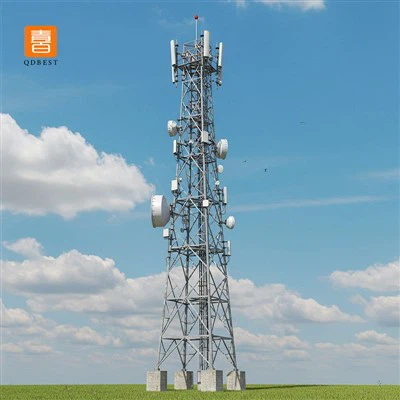
Substations are the heart of the power grid, responsible for transforming and distributing electrical energy efficiently and safely. The choice of materials for substation structures is a crucial decision that impacts the performance, durability, and cost - effectiveness of these facilities. This blog will explore the commonly used materials in substation structures and their unique properties.
Steel
Steel is perhaps the most widely used material in substation structures, and for good reason. It offers a combination of strength, durability, and versatility that makes it ideal for a variety of applications.
Strength and Load - Bearing Capacity: Steel has a high strength - to - weight ratio, which means it can support heavy loads without being overly bulky. This is essential in substations, where large transformers, switchgear, and other equipment need to be mounted on structures. For example, in Substation Steel Structure, steel frames can be designed to withstand the weight of heavy electrical equipment as well as external forces such as wind and seismic activity.
Durability and Corrosion Resistance: Modern steel can be treated to resist corrosion, ensuring a long service life. Galvanizing, for instance, is a common process where a layer of zinc is applied to the steel surface. This zinc layer acts as a sacrificial anode, protecting the steel from rust and corrosion. In outdoor substations, where the structures are exposed to the elements, corrosion - resistant steel is crucial to maintain the integrity of the structures over time.
Fabrication and Assembly: Steel is relatively easy to fabricate and assemble. It can be cut, welded, and bolted together to create complex structures. This flexibility allows for customized designs that can meet the specific requirements of different substations. Whether it's a simple single - bay structure or a large multi - level gantry, steel can be fabricated to fit the needs of the project.
Concrete
Concrete is another important material in substation construction, especially for foundations and support structures.
Foundation Stability: Concrete foundations provide a stable base for substation equipment. They are designed to distribute the weight of the equipment evenly over the ground, preventing settlement and ensuring the long - term stability of the substation. The high compressive strength of concrete makes it suitable for withstanding the heavy loads imposed by transformers and other large equipment.
Resistance to Environmental Factors: Concrete is resistant to fire, water, and chemicals, which are important considerations in a substation environment. It can protect the underlying soil from contamination and provide a barrier against potential hazards. For example, in a Power Distribution Substation, concrete pads can be used to support switchgear and other electrical components, providing a safe and stable platform.
Long - Term Durability: When properly designed and constructed, concrete structures can last for decades. The use of high - quality concrete and appropriate reinforcement can enhance the durability of the structures, reducing the need for frequent maintenance and repairs.
Aluminum
Aluminum is increasingly being used in substation structures due to its unique properties.
Lightweight: Aluminum is much lighter than steel, which makes it easier to transport and install. This can be a significant advantage in remote or difficult - to - access locations. For example, in some mountainous areas or offshore substations, the reduced weight of aluminum structures can simplify the installation process and reduce transportation costs.
Corrosion Resistance: Aluminum forms a natural oxide layer on its surface, which provides excellent corrosion resistance. This makes it suitable for use in coastal or high - humidity environments where steel may be more prone to corrosion.
Electrical Conductivity: Aluminum has good electrical conductivity, which can be beneficial in some substation applications. It can be used for busbars and other electrical components where conductivity is important.
Fiberglass
Fiberglass is a composite material that is also finding its way into substation structures.
Insulation Properties: Fiberglass has excellent electrical insulation properties, which make it suitable for use in areas where electrical isolation is required. It can be used for insulating supports, barriers, and enclosures, helping to prevent electrical accidents and ensure the safety of the substation.
Lightweight and Durable: Similar to aluminum, fiberglass is lightweight and durable. It is resistant to corrosion, chemicals, and UV radiation, making it suitable for outdoor use. Fiberglass structures can also be designed to be strong enough to support the weight of electrical equipment.
Wood
Although less common than the other materials mentioned above, wood still has its place in some substation applications.
Low - Cost Option: Wood can be a cost - effective alternative for some small - scale or temporary substation structures. It is relatively easy to work with and can be sourced locally in some areas.
Insulation and Aesthetics: Wood has natural insulation properties and can provide a more aesthetically pleasing appearance compared to other materials. In some rural or historical substations, wood structures can blend in better with the surrounding environment.
However, wood also has some limitations. It is susceptible to rot, termites, and fire, which require proper treatment and maintenance to ensure its long - term durability.
Composite Materials
Composite materials, which combine two or more different materials, are becoming more popular in substation structures.
Customizable Properties: Composite materials can be engineered to have specific properties, such as high strength, low weight, and excellent corrosion resistance. For example, carbon fiber composites can be used to create lightweight and strong structural components.
Improved Performance: By combining the best properties of different materials, composites can offer improved performance compared to traditional materials. They can be designed to meet the specific requirements of substation applications, such as high - voltage insulation and resistance to extreme environmental conditions.
When choosing the materials for substation structures, several factors need to be considered. These include the location of the substation, the type of equipment to be installed, the expected service life, and the budget. As a supplier, we work closely with our clients to understand their needs and recommend the most suitable materials for their projects.
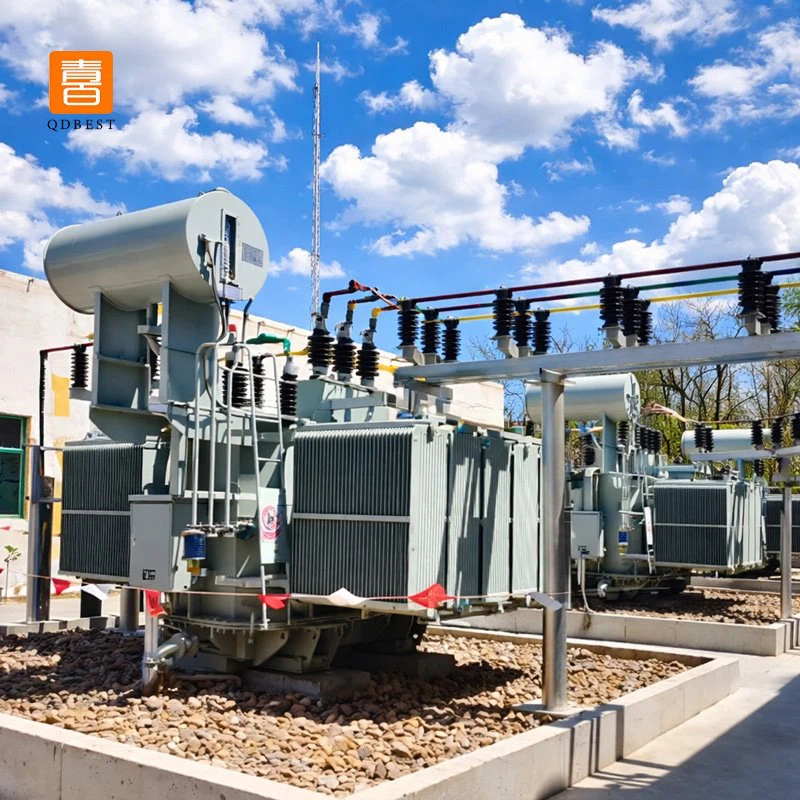

If you're in the market for substation structures and are interested in learning more about the materials and solutions we offer, we'd be more than happy to have a discussion with you. Our team of experts can provide detailed information and guidance to help you make the best decisions for your substation project. Contact us to start the procurement and negotiation process.