


Galvanized steel communication towers are indispensable infrastructure in the telecommunications industry, providing a stable and durable load-bearing platform for all types of communication equipment. This article elaborates on the materials adopted to construct such steel towers, their material properties, and the reasons why these materials play a pivotal role in the service performance and service life of the towers.
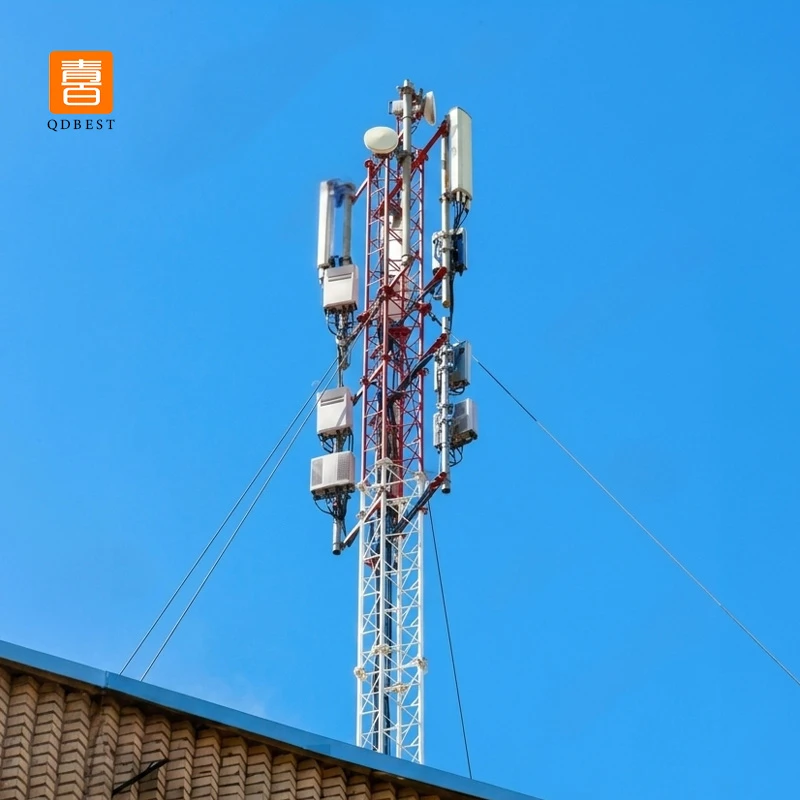

Galvanized Steel: The Core Material
The primary material used in a galvanized steel telecom tower is, as the name suggests, galvanized steel. Galvanized steel is carbon steel that has been coated with a layer of zinc through a process called hot-dip galvanizing. This process involves immersing the steel in a bath of molten zinc, which forms a metallurgical bond with the steel surface. The zinc coating serves as a protective barrier, preventing the steel from rusting and corroding.
Properties of Galvanized Steel
- Corrosion Resistance: The zinc coating on galvanized steel provides excellent corrosion resistance, even in harsh environments. This is crucial for telecom towers, which are often exposed to the elements, including rain, snow, and high humidity. The zinc coating acts as a sacrificial anode, corroding in place of the steel and protecting it from rust.
- Strength and Durability: Galvanized steel is known for its high strength and durability. It can withstand heavy loads, including the weight of the tower itself, the equipment mounted on it, and the forces exerted by wind and other environmental factors. This makes it an ideal material for telecom towers, which need to be able to support the weight of antennas, transmitters, and other communication equipment.
- Longevity: Galvanized steel has a long lifespan, which is important for telecom towers. These structures are often installed in remote locations and are difficult and expensive to replace. The zinc coating on galvanized steel can last for decades, providing long-term protection against corrosion and ensuring the tower's structural integrity.
Structural Shapes and Sections
Galvanized steel telecom towers are typically made up of various structural shapes and sections, each with its own specific function. The most common shapes used in telecom towers include:
- Angles: Angles are L-shaped sections of steel that are used to provide structural support and stability. They are often used in the corners and joints of the tower to connect different components and distribute the load evenly.
- Channels: Channels are U-shaped sections of steel that are used to provide additional support and stiffness to the tower. They are often used in the vertical and horizontal members of the tower to resist bending and torsion.
- Tubes: Tubes are cylindrical sections of steel that are used to provide a lightweight and efficient way to support the tower. They are often used in the legs and cross-braces of the tower to reduce the weight of the structure and improve its overall performance.
Fasteners and Connectors
In addition to the structural shapes and sections, galvanized steel telecom towers also require a variety of fasteners and connectors to hold the components together. These include bolts, nuts, washers, and pins, which are typically made of galvanized steel or other corrosion-resistant materials. The fasteners and connectors are designed to provide a secure and reliable connection between the different components of the tower, ensuring its structural integrity and stability.
Other Materials
In addition to galvanized steel, other materials may also be used in a galvanized steel telecom tower, depending on the specific requirements of the project. These materials may include:
- Concrete: Concrete is often used to provide a stable foundation for the tower. It is poured into a hole in the ground and allowed to harden, providing a solid base for the tower to rest on.
- Insulators: Insulators are used to prevent the flow of electricity between the tower and the surrounding environment. They are typically made of materials such as porcelain or glass and are designed to withstand high voltages and harsh environmental conditions.
- Antennas and Other Equipment: Antennas and other communication equipment are mounted on the tower to transmit and receive signals. These components are typically made of a variety of materials, including aluminum, fiberglass, and plastic.
Why Galvanized Steel is the Ideal Material for Telecom Towers
Galvanized steel is the ideal material for telecom towers for several reasons:
- Cost-Effective: Galvanized steel is a cost-effective material that provides excellent value for money. It is relatively inexpensive compared to other materials, such as stainless steel, and has a long lifespan, which reduces the need for frequent replacements.
- Easy to Fabricate and Install: Galvanized steel is easy to fabricate and install, which makes it a popular choice for telecom tower manufacturers. It can be cut, welded, and bent to the required shape and size, and can be assembled on-site using standard tools and equipment.
- Environmentally Friendly: Galvanized steel is an environmentally friendly material that can be recycled at the end of its lifespan. This reduces the environmental impact of the tower and helps to conserve natural resources.
Conclusion
In conclusion, galvanized steel is the primary material used in a galvanized steel telecom tower. It provides excellent corrosion resistance, strength, and durability, making it an ideal choice for the telecommunications industry. The use of other materials, such as concrete, insulators, and antennas, also plays an important role in the functionality and performance of the tower. If you are in the market for a Galvanized Steel Telecom Tower, I encourage you to explore our range of products, including the Galvanized Steel Telecom Tower, 45M Guyed Wire Tower for Telecommunication, and 4 Leg Telecommunication Microwave Tower. We are committed to providing high-quality products and excellent customer service, and we would be happy to discuss your specific requirements and provide you with a quote.


