


Electrical wiring is the lifeline of all electrical systems. Reasonably optimized wiring can greatly improve the operating performance, operational safety and service life of the entire structure. This blog post will share several core strategies and key notes for optimizing electrical wiring within electrical structures.
Understanding the Basics of Electrical Wiring in Electrical Structures
Before delving into optimization techniques, it's essential to understand the basic components and functions of electrical wiring in electrical structures. Electrical wiring consists of conductors, insulation, and protective devices. Conductors, usually made of copper or aluminum, carry electrical current. Insulation surrounds the conductors to prevent electrical leakage and short - circuits. Protective devices such as circuit breakers and fuses safeguard the wiring and connected equipment from overcurrent and short - circuit conditions.
In electrical structures, the wiring must be carefully designed to meet the specific electrical load requirements. Different areas within the structure may have different power demands, such as lighting, heating, ventilation, and industrial equipment. The wiring system should be able to handle these varying loads efficiently and safely.
Planning the Electrical Wiring Layout
One of the first steps in optimizing electrical wiring is to plan the layout carefully. A well - thought - out layout can reduce the length of wiring, minimize voltage drops, and improve the overall efficiency of the electrical system.
- Load Analysis: Begin by conducting a thorough load analysis. Determine the power requirements of all electrical devices and equipment in the structure. This includes calculating the total wattage, current, and voltage requirements. Based on this analysis, you can size the conductors appropriately to ensure they can carry the expected load without overheating.
- Routing: Plan the routing of the wiring to avoid sharp bends, excessive lengths, and areas with high mechanical stress. Wiring should be routed in a straight and organized manner, preferably along walls, ceilings, or cable trays. This not only makes the installation easier but also reduces the risk of damage to the wiring.
- Separation of Circuits: Separate different types of circuits, such as lighting, power, and control circuits. This helps to prevent interference between circuits and makes it easier to troubleshoot and maintain the electrical system. For example, placing lighting circuits on a separate breaker from power circuits can prevent a power surge in one area from affecting the lighting.
Selecting the Right Conductors
The choice of conductors is crucial for optimizing electrical wiring. The conductor material, size, and insulation type can all impact the performance and safety of the electrical system.
- Material: Copper is the most commonly used conductor material due to its high conductivity and corrosion resistance. Aluminum is also used in some applications, especially for larger - scale electrical structures, as it is lighter and less expensive than copper. However, aluminum conductors require special installation techniques to prevent oxidation and ensure a reliable connection.
- Size: The size of the conductor is determined by the amount of current it needs to carry. Using a conductor that is too small for the load can lead to overheating, voltage drops, and potential fire hazards. On the other hand, using a conductor that is too large can be wasteful and increase the cost of the installation. Refer to electrical codes and standards to select the appropriate conductor size based on the load requirements.
- Insulation: The insulation of the conductor protects it from environmental factors and prevents electrical leakage. Different types of insulation are available, each with its own properties and applications. For example, PVC (polyvinyl chloride) insulation is commonly used for general - purpose wiring, while XLPE (cross - linked polyethylene) insulation is suitable for high - voltage applications.
Implementing Proper Grounding and Bonding
Grounding and bonding are essential for the safety of electrical structures. Grounding provides a path for electrical current to flow safely to the earth in the event of a fault, while bonding connects all metallic parts of the electrical system together to ensure electrical continuity.
- Grounding: A proper grounding system helps to protect people and equipment from electrical shocks and lightning strikes. The grounding electrode should be installed in accordance with electrical codes and standards. It is typically a metal rod or plate buried in the ground. The grounding conductor should be of sufficient size to carry the fault current safely.
- Bonding: Bonding ensures that all metallic parts of the electrical system, such as electrical enclosures, conduits, and equipment frames, are at the same electrical potential. This helps to prevent the buildup of static electricity and reduces the risk of electrical shocks. Bonding conductors should be securely connected to all metallic parts using appropriate connectors.
Using High - Quality Electrical Components
The quality of electrical components can have a significant impact on the performance and reliability of the electrical wiring system. Using high - quality components can reduce the risk of failures and ensure the long - term operation of the electrical structure.
- Switches and Outlets: Choose switches and outlets that are rated for the appropriate voltage and current. High - quality switches and outlets have better contact materials and construction, which can reduce the risk of arcing and overheating.
- Circuit Breakers and Fuses: Circuit breakers and fuses are essential protective devices. Select circuit breakers and fuses that are properly rated for the electrical load. They should be able to trip or blow quickly in the event of an overcurrent or short - circuit condition to protect the wiring and equipment.
- Cable Management: Use high - quality cable management products such as cable trays, conduits, and cable ties. These products help to organize the wiring, protect it from damage, and make the installation and maintenance easier.
Incorporating Advanced Technologies
In today's digital age, advanced technologies can be used to optimize electrical wiring in electrical structures.
- Smart Wiring Systems: Smart wiring systems use sensors and controls to monitor and manage the electrical system. They can detect faults, adjust the power consumption based on the load, and provide real - time information about the electrical system's performance. For example, a smart lighting system can automatically adjust the brightness of the lights based on the ambient light level, saving energy.
- Energy - Efficient Wiring: Energy - efficient wiring techniques can help to reduce the energy consumption of the electrical system. This includes using low - resistance conductors, optimizing the wiring layout to minimize voltage drops, and using energy - efficient electrical devices.
Maintenance and Inspection
Regular maintenance and inspection are crucial for ensuring the continued optimization of electrical wiring in electrical structures.
- Visual Inspections: Conduct regular visual inspections of the wiring system to check for signs of damage, such as frayed wires, loose connections, or overheating. Look for any signs of corrosion or wear on the conductors and insulation.
- Testing: Perform electrical tests, such as insulation resistance testing and continuity testing, to ensure the integrity of the wiring system. These tests can help to detect potential problems before they cause a failure.
- Repairs and Upgrades: If any problems are detected during the inspection or testing, make the necessary repairs or upgrades immediately. This may involve replacing damaged wiring, tightening loose connections, or upgrading the electrical components.
Conclusion
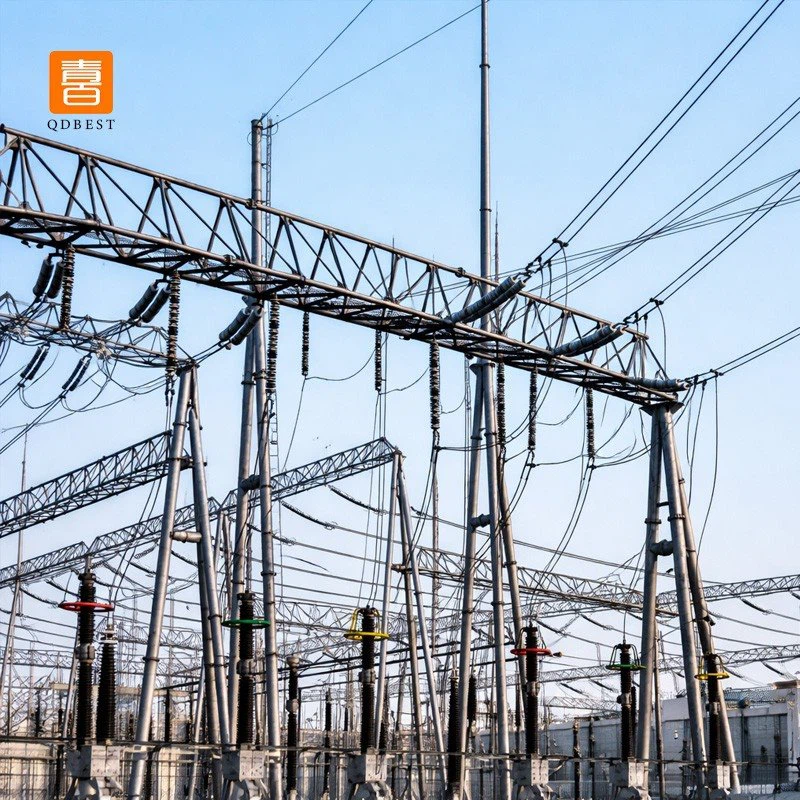
Optimizing the electrical wiring in electrical structures is a complex but essential task. By following the strategies and considerations outlined in this blog, you can enhance the performance, safety, and efficiency of the electrical system. As a supplier of Electrical Structures, we offer a wide range of high - quality products, including Galvanized Substation Steel Structures, Power Substation Structures, and Gantry Structures for Electrical Substations.

If you are interested in optimizing the electrical wiring in your electrical structures or need more information about our products, we invite you to contact us for a detailed discussion and procurement negotiation. We are committed to providing you with the best solutions for your electrical structure needs.


