Designing the electrical architecture of a data center is a multi-faceted and critical task. This blog post will share a number of design concepts for data center electrical architecture.
Understanding the Basics of Data Center Electrical Needs
First off, we need to understand what the data center actually requires. Data centers are power - hungry beasts. They house servers, storage systems, networking equipment, and cooling systems, all of which need a reliable and continuous supply of electricity. Any power outage can lead to data loss, system downtime, and significant financial losses for the businesses relying on these data centers.
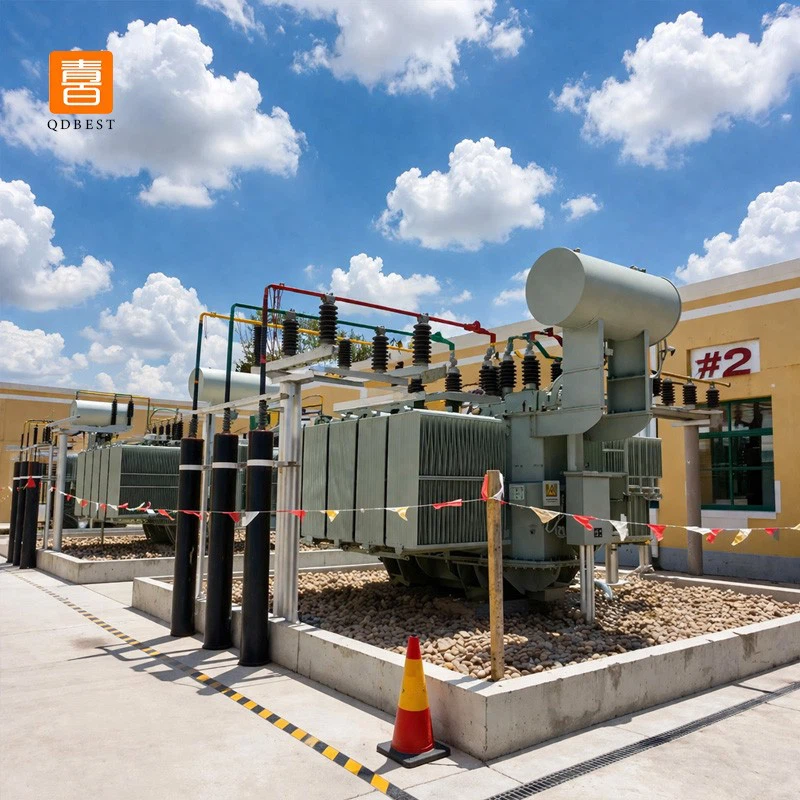
The electrical structure of a data center typically consists of several key components. There's the power source, which can be the grid, generators, or a combination of both. Then, we have the power distribution system, which includes transformers, switchgear, and circuit breakers. These components are responsible for delivering the right amount of power to different parts of the data center.
Power Source Selection
When it comes to choosing a power source, it's not a one - size - fits - all solution. The grid is the most common power source, but it's not always reliable. That's where generators come in. Generators can provide backup power in case of a grid outage. Some data centers even use multiple generators to ensure redundancy.
For example, a large - scale data center might have a primary connection to the grid and several diesel generators as backup. These generators are usually sized to handle the full load of the data center for a certain period, say 24 to 48 hours. This gives the operators enough time to fix the grid issue or arrange for alternative power sources.
Power Distribution System Design
The power distribution system is like the circulatory system of the data center. It needs to be designed to efficiently and safely deliver power to all the equipment. One of the key considerations in designing the power distribution system is the load balancing. Different equipment in the data center has different power requirements. We need to make sure that the power is evenly distributed to avoid overloading any part of the system.
Transformers play a crucial role in the power distribution system. They step down the high - voltage power from the grid or generators to a lower voltage that can be used by the data center equipment. Switchgear and circuit breakers are used to control and protect the electrical circuits. They can isolate faulty circuits and prevent electrical fires and other hazards.
Electrical Safety
Safety is a top priority when designing electrical structures for data centers. Electrical hazards can pose a serious threat to the equipment, the operators, and the data stored in the data center. We need to follow strict safety standards and regulations when designing and installing the electrical systems.
One of the important safety measures is grounding. Proper grounding helps to protect the equipment from electrical surges and lightning strikes. It also provides a safe path for the electrical current in case of a fault. Another safety measure is the use of protective devices such as fuses and circuit breakers. These devices can quickly cut off the power in case of an overload or short - circuit.
Redundancy and Resilience
Data centers need to be highly redundant and resilient. This means that they should be able to continue operating even in the face of equipment failures or power outages. Redundancy can be achieved at different levels in the electrical structure.
For example, we can have redundant power sources, redundant transformers, and redundant switchgear. This way, if one component fails, the other can take over and keep the data center running. Resilience also involves having a disaster recovery plan in place. This plan should outline the steps to be taken in case of a major power outage or other disasters.
Cooling and Electrical Structures
Cooling is another important aspect of data center design that is closely related to the electrical structures. The electrical equipment in the data center generates a lot of heat, and this heat needs to be removed to prevent overheating and equipment failure.
The cooling system also needs power to operate. So, when designing the electrical structures, we need to consider the power requirements of the cooling system. We can use energy - efficient cooling technologies such as free cooling and liquid cooling to reduce the power consumption of the cooling system.

Choosing the Right Electrical Structure Supplier
As an Electrical Structure supplier, I know how important it is to choose the right supplier for your data center project. A good supplier should have the expertise and experience in designing and manufacturing electrical structures for data centers. They should also be able to provide high - quality products that meet the safety and performance standards.
When choosing a supplier, you should look at their portfolio of past projects. This will give you an idea of their capabilities and the quality of their work. You should also ask for references and talk to their previous clients. This will help you to get an honest feedback about their services.
Our Offerings
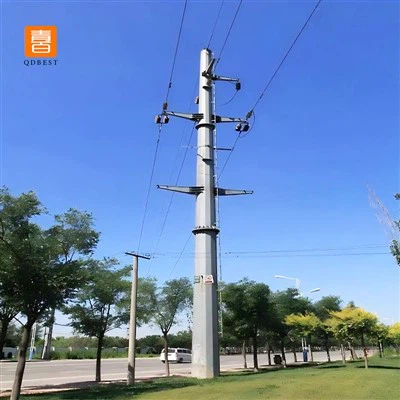
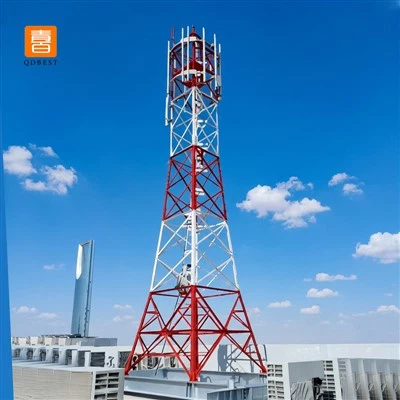
At our company, we offer a wide range of Electrical Structure solutions for data centers. Our products are designed to be reliable, efficient, and safe. We have experience in working with different types of data centers, from small - scale to large - scale facilities.
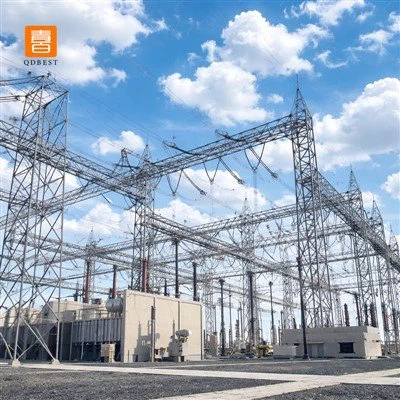
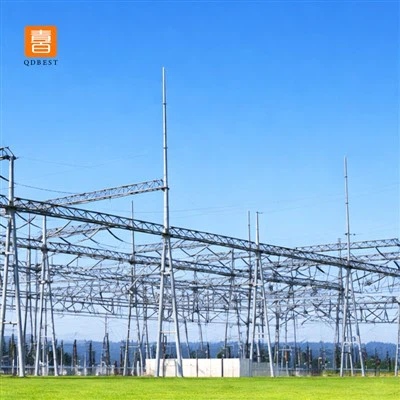
We also offer Substation Gantry Structure and Power Distribution Substation solutions. These structures are an integral part of the data center electrical system, and we can customize them to meet your specific requirements.
Contact Us for Purchase and Consultation
If you're in the process of designing or building a data center and need electrical structure solutions, we'd love to hear from you. Whether you have questions about our products, need a customized solution, or want to discuss your project in detail, feel free to reach out. We're here to help you design the best electrical structures for your data center.