


Lattice communication towers constitute critical infrastructure of modern communication systems, offering a stable mounting platform for antennas and other communication equipment. Nevertheless, the operation of such facilities is confronted with a wide range of challenges, calling for thorough consideration and overall coordinated planning.
1. Structural Integrity and Maintenance
One of the primary challenges in operating lattice telecommunication towers is ensuring their structural integrity. These towers are exposed to a variety of environmental factors, including wind, rain, snow, and extreme temperatures. Over time, these elements can cause wear and tear on the tower's components, leading to corrosion, fatigue, and potential structural failure.
Regular maintenance is essential to prevent these issues. Inspections should be conducted at least annually to check for signs of damage, such as rust, cracks, or loose bolts. Any damaged components should be repaired or replaced immediately to ensure the tower's safety and reliability. Additionally, the tower's foundation should be inspected regularly to ensure it remains stable and secure.
The cost of maintenance can be significant, especially for large towers or those located in remote areas. Suppliers like us often offer maintenance services to help our clients manage these costs. However, even with regular maintenance, unexpected issues can arise, such as severe weather events or unforeseen structural problems. These situations require quick response times and the ability to mobilize resources to address the issue promptly.
2. Environmental and Regulatory Challenges
Lattice telecommunication towers are subject to a variety of environmental and regulatory requirements. These requirements can vary depending on the location of the tower and the type of communication services it provides. For example, towers located in environmentally sensitive areas may be subject to strict regulations regarding their construction and operation to minimize their impact on the environment.
In addition to environmental regulations, towers must also comply with local building codes and zoning laws. These regulations can affect the tower's design, height, and location. Obtaining the necessary permits and approvals can be a time-consuming and costly process, especially in areas with complex regulatory environments.
Furthermore, the increasing concern for wildlife protection has led to additional regulations regarding the construction and operation of telecommunication towers. For example, some areas require towers to be designed and installed in a way that minimizes the risk of bird collisions. Suppliers need to stay up-to-date with these regulations and ensure that their towers comply with all applicable laws and standards.
3. Technological Advancements and Upgrades
The telecommunications industry is constantly evolving, with new technologies and services being introduced regularly. This rapid pace of change presents a significant challenge for tower operators, as they must keep up with the latest advancements to remain competitive.
For example, the transition from 4G to 5G technology requires towers to be upgraded to support the higher frequencies and increased data speeds. These upgrades may involve installing new antennas, equipment, and infrastructure, which can be costly and time-consuming. Additionally, tower operators must ensure that their towers are compatible with the latest communication standards and protocols.
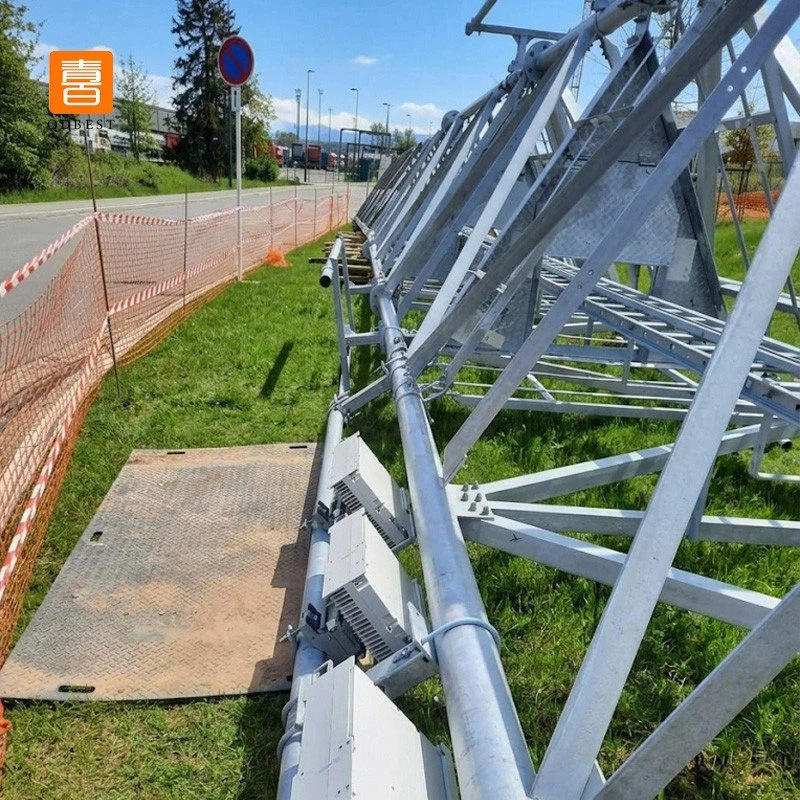

Another technological challenge is the increasing demand for small cell towers. These towers are typically smaller and more discreet than traditional lattice towers and are used to provide high-speed wireless coverage in urban areas. However, the installation and operation of small cell towers present unique challenges, such as finding suitable locations and obtaining the necessary permits.
4. Security and Safety
Security and safety are critical concerns for lattice telecommunication towers. These towers are often located in remote areas and are vulnerable to theft, vandalism, and other security threats. Additionally, the equipment installed on the towers can be a target for hackers, who may attempt to gain access to sensitive information or disrupt the communication network.
To address these security concerns, tower operators must implement robust security measures, such as fencing, surveillance cameras, and access control systems. They must also ensure that their equipment is protected against cyber threats by implementing firewalls, encryption, and other security protocols.
Safety is also a top priority for tower operators. Workers who install and maintain the towers are exposed to a variety of hazards, including falls, electrical shocks, and extreme weather conditions. Tower operators must provide their workers with proper training and safety equipment to minimize the risk of accidents.
5. Site Acquisition and Land Use
Acquiring suitable sites for lattice telecommunication towers can be a challenging and time-consuming process. Tower operators must identify sites that are strategically located to provide optimal coverage and are accessible for installation and maintenance. Additionally, they must obtain the necessary rights and permissions from landowners and local authorities.
Land use regulations can also pose a challenge for tower operators. In some areas, zoning laws may restrict the construction of towers in certain locations or require them to meet specific design and aesthetic requirements. Tower operators must work closely with local authorities to ensure that their towers comply with all applicable regulations.
Furthermore, the increasing demand for tower sites has led to competition among operators, which can drive up the cost of land acquisition. Tower operators must be strategic in their site selection and negotiation to ensure that they obtain the best possible sites at a reasonable cost.
Conclusion
Operating lattice telecommunication towers is a complex and challenging task that requires careful planning, maintenance, and management. From ensuring structural integrity and compliance with environmental and regulatory requirements to keeping up with technological advancements and addressing security and safety concerns, tower operators face a variety of challenges on a daily basis.
As a supplier of Lattice Telecommunication Tower, we understand the importance of providing high-quality products and services to our clients. We offer a range of
Angle Steel Telecommunication Tower and
60M Angle Steel Gsm Microwave Telecom Tower solutions to meet the diverse needs of our customers. Our team of experts is dedicated to helping our clients overcome the challenges associated with operating telecommunication towers and ensuring the reliability and performance of their communication networks.
If you are interested in learning more about our products and services or would like to discuss your specific requirements, please feel free to contact us. We look forward to the opportunity to work with you and help you achieve your communication goals.


