We frequently receive inquiries from clients regarding whether monopole towers are suitable for coastal areas. This blog post will delve deep into this topic and elaborate on all relevant technical details.
First off, what exactly is a tubular tower? Tubular towers are those sleek, cylindrical - looking structures that are commonly used for various purposes, like supporting communication equipment, wind turbines, or even lighting systems. They're made from tubular steel, which gives them a distinct look and certain advantages compared to other types of towers.
Now, let's talk about coastal areas. These are some tough environments. The air near the coast is laden with salt, which is a real enemy of metal structures. Saltwater can cause corrosion, which weakens the tower over time. Also, the weather in coastal regions can be pretty wild. High - speed winds, heavy rains, and even hurricanes are not uncommon. So, can tubular towers hold up in such a challenging place?
The answer is yes, but with some precautions.
1. Corrosion Resistance
The biggest concern in coastal areas is corrosion. At our company, we take several steps to make our tubular towers corrosion - resistant. One method is using galvanized steel. Galvanization involves coating the steel with a layer of zinc. This zinc layer acts as a sacrificial anode, meaning it corrodes first before the steel does. Even if the zinc coating gets a bit scratched, it will still protect the underlying steel through a process called cathodic protection.
Another approach we use is applying special paint coatings. These paints are formulated to resist the harsh coastal environment. They create a barrier between the steel and the corrosive salt - laden air. The paint has to be tough and long - lasting, and we test it rigorously to make sure it can stand up to years of exposure.
2. Structural Design for Wind Load
Coastal winds can be extremely powerful. When designing our tubular towers for coastal use, we pay close attention to wind load calculations. We use advanced engineering software to simulate different wind speeds and directions. Based on these simulations, we design the tower's shape and size to minimize wind resistance.
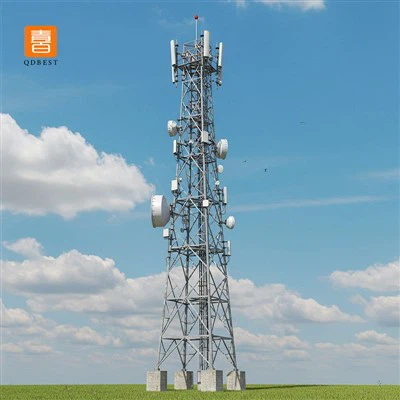
For example, our 3 Leg Steel Tube Pipe Tower has a unique three - leg design that provides excellent stability in high - wind conditions. The triangular shape distributes the wind force evenly across the structure, reducing the stress on any single part of the tower.
3. Foundation Considerations
The foundation of a tower is crucial, especially in coastal areas where the soil conditions can be tricky. The soil near the coast may be soft, sandy, or even saturated with water. We need to ensure that the tower's foundation is strong enough to support the weight of the tower and withstand the forces exerted by wind and waves.
For some of our tubular towers, like the Triangular Self Supporting Communication Steel Tubular Tower, we use deep pile foundations. These piles are driven deep into the ground until they reach more stable soil layers. This provides a solid base for the tower, preventing it from tipping over or sinking.


4. Maintenance Requirements
Even with the best corrosion protection and structural design, tubular towers in coastal areas will still need regular maintenance. We recommend inspecting the tower at least once a year. During these inspections, we check for any signs of corrosion, loose bolts, or damage to the paint coating.
If any corrosion is detected, we can take immediate action to repair it. This might involve sandblasting the affected area and reapplying the paint or zinc coating. Regular maintenance helps to extend the lifespan of the tower and ensures its continued safe operation.
5. Applications in Coastal Areas
Tubular towers can have many useful applications in coastal areas. In the realm of telecommunications, a 5G Wifi Signal Monopole Tower can be installed to improve 5G and Wi - Fi coverage. This is crucial for coastal communities, fishermen, and tourists, who rely on mobile communication.
They can also be used for coastal monitoring. For example, we can mount weather sensors, tide gauges, or even surveillance cameras on tubular towers. This data can help in predicting storms, managing coastal resources, and ensuring the safety of people living in the area.
In summary, tubular towers can indeed be used in coastal areas. With the right design, proper corrosion protection, and regular maintenance, these towers can provide reliable service for many years in the harsh coastal environment.
If you're in the market for a tubular tower for your coastal project, I'd love to have a chat. Whether you need a tower for communication, monitoring, or any other purpose, we've got the expertise and the products to meet your needs. Just reach out, and we can start discussing the details of your project.