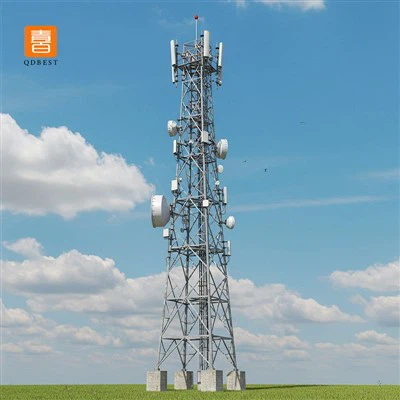
In the ever - evolving landscape of telecommunications, lattice towers play a pivotal role in facilitating seamless communication. This blog post will delve into the key structural aspects that are essential for a telecom lattice tower.
1. Material Selection
The choice of materials is the foundation of any telecom lattice tower. High - strength steel is the most commonly used material due to its excellent mechanical properties. Steel offers high tensile strength, which is crucial for withstanding the various forces acting on the tower, such as wind, snow, and seismic loads.
Galvanized steel is particularly preferred as it provides a protective zinc coating that prevents corrosion. This is especially important for towers that are installed in outdoor environments, where they are exposed to moisture and other corrosive elements. Our company offers a variety of galvanized steel towers, including the 25M Galvanized Angle Steel Microwave Communication Tower and the 35M Telecom 4 - Legged Galvanized Angular Steel Towers. These towers are made from high - quality galvanized angle steel, which not only ensures durability but also reduces the maintenance requirements over the tower's lifespan.
2. Structural Design
The structural design of a telecom lattice tower is a complex process that involves careful consideration of several factors. The tower's height, shape, and configuration are all determined based on the specific requirements of the telecommunications network it serves.


- Height: The height of the tower is determined by the coverage area required. Taller towers can provide a wider coverage range, but they also need to be designed to withstand higher wind and seismic loads. For example, in urban areas where buildings and other structures may obstruct the signal, taller towers may be necessary to ensure clear line - of - sight communication.
- Shape and Configuration: Lattice towers typically come in different shapes, such as square, triangular, or hexagonal. The choice of shape depends on the stability requirements and the available space at the installation site. A square - shaped tower is a popular choice as it offers good stability and is relatively easy to fabricate and install.
The tower's configuration also includes the arrangement of its members, such as the bracing and cross - members. These members are designed to distribute the loads evenly throughout the tower structure, preventing any single part from bearing excessive stress.
3. Load - Bearing Capacity
A telecom lattice tower must be designed to withstand a variety of loads, which can be classified into two main categories: dead loads and live loads.
- Dead Loads: Dead loads are the permanent loads acting on the tower, including the weight of the tower itself, the antennas, and other equipment installed on it. Accurate calculation of dead loads is essential for determining the appropriate size and strength of the tower members.
- Live Loads: Live loads are the variable loads that the tower may experience during its service life. The most significant live load for a telecom lattice tower is the wind load. Wind can exert significant pressure on the tower, especially during storms or high - wind events. The tower's structural design must account for the maximum expected wind speed in the installation area.
Snow load is another important live load, particularly in regions with heavy snowfall. The weight of the snow on the tower can add significant stress to the structure, and the tower must be designed to handle this additional load. Seismic loads are also a consideration in areas prone to earthquakes. The tower's structural design must be able to withstand the ground motion caused by an earthquake without collapsing.
4. Foundation Requirements
The foundation of a telecom lattice tower is crucial for its stability. A well - designed foundation distributes the loads from the tower to the underlying soil or rock, preventing the tower from settling or toppling over.
The type of foundation required depends on several factors, such as the tower's height, weight, and the soil conditions at the installation site. Common foundation types for telecom lattice towers include spread footings, pile foundations, and caisson foundations.
- Spread Footings: Spread footings are suitable for towers with relatively light loads and when the soil has good bearing capacity. They consist of a concrete slab that spreads the load over a larger area of the soil.
- Pile Foundations: Pile foundations are used when the soil has poor bearing capacity or when the tower is very tall. Piles are driven into the ground to reach a more stable layer of soil or rock, and the tower is then supported on top of the piles.
- Caisson Foundations: Caisson foundations are similar to pile foundations but are typically used in areas with high water tables or where the soil is very soft. A caisson is a large, pre - fabricated concrete or steel structure that is sunk into the ground and filled with concrete to provide support for the tower.
5. Connection Systems
The connection systems used in a telecom lattice tower are critical for ensuring the integrity of the structure. The connections between the tower members must be strong enough to transfer the loads effectively and prevent any relative movement between the members.
Common connection methods include bolted connections and welded connections. Bolted connections are preferred in many cases as they are easier to install and allow for some flexibility during the construction process. Welded connections, on the other hand, provide a more rigid and permanent connection, but they require skilled welders and proper quality control to ensure their strength.
6. Maintenance and Inspection
Regular maintenance and inspection are essential for the long - term performance of a telecom lattice tower. Maintenance activities may include checking for corrosion, loose bolts, and damage to the tower members. Inspection should be carried out at regular intervals to identify any potential issues before they become serious problems.
Our company offers Telecom Lattice Towers that are designed for easy maintenance. The use of galvanized steel reduces the corrosion risk, and the bolted connection systems allow for quick and easy replacement of damaged parts.
7. Compliance with Standards and Regulations
Telecom lattice towers must comply with various national and international standards and regulations. These standards ensure the safety, reliability, and performance of the towers.
In the United States, for example, lattice towers must comply with the standards set by the American Institute of Steel Construction (AISC) and the Federal Communications Commission (FCC). The AISC provides guidelines for the design and construction of steel structures, while the FCC regulates the installation and operation of telecommunications facilities.
Meeting these standards and regulations is not only a legal requirement but also a guarantee of the quality of the tower. Our company is committed to producing Angle Steel Telecommunication Towers and Telecom Angle Steel Towers that meet or exceed all relevant standards.
Conclusion and Call to Action
In conclusion, the structural requirements for a telecom lattice tower are multifaceted and require careful consideration of material selection, structural design, load - bearing capacity, foundation requirements, connection systems, maintenance, and compliance with standards. As a supplier of high - quality telecom lattice towers, we have the expertise and experience to meet your specific needs.
If you are in the market for a telecom lattice tower, we invite you to contact us for a detailed consultation. Our team of experts will work with you to understand your requirements and provide you with the best - suited tower solution. Whether you need a small - scale tower for a local network or a large - scale tower for a regional or national network, we have the products and services to meet your demands.