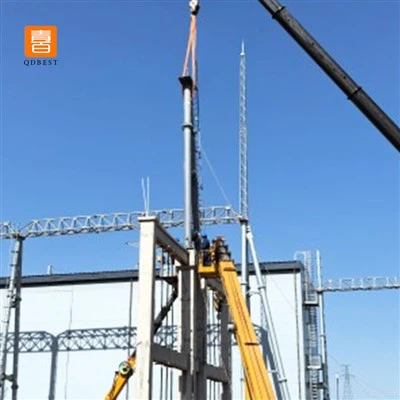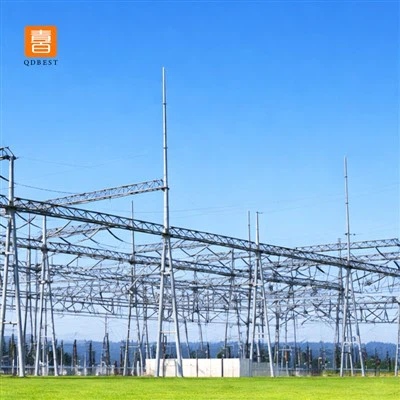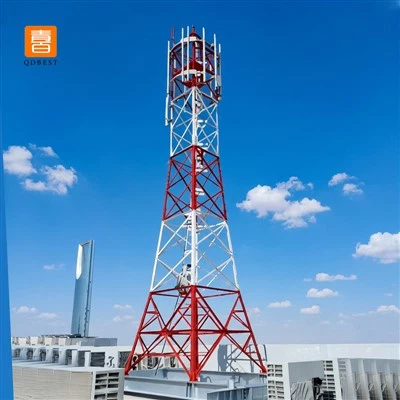
Designing a lighting system for four-legged lattice towers is a complex yet essential task. A well-designed lighting system is not only critical to operational safety, but also affects the overall performance and visual appearance of the towers. This blog post explains the key points and design procedures for developing practical lighting systems for four-legged lattice towers.

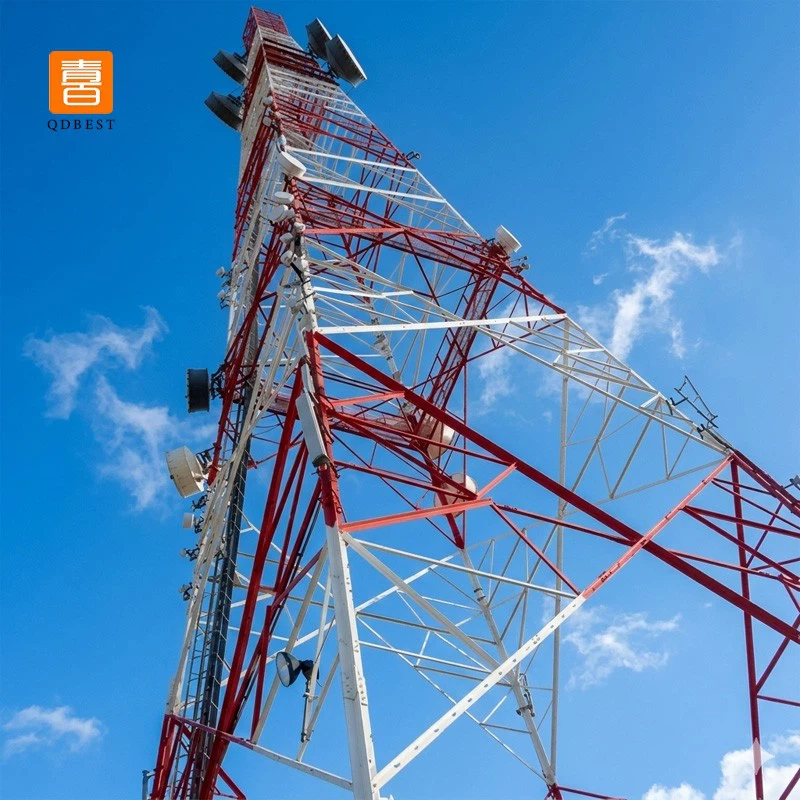
Understanding the Purpose of Lighting
Before diving into the design process, it is essential to understand the purpose of the lighting system. There are primarily two main purposes: safety and visibility.
Safety lighting is crucial to prevent accidents, especially during maintenance work or in low-light conditions. It helps workers to clearly see the structure and navigate around it safely. Visibility lighting, on the other hand, is important for air traffic control and to make the tower visible from a distance, reducing the risk of collisions with aircraft.
Selecting the Right Lighting Fixtures
The choice of lighting fixtures depends on several factors, including the height of the tower, the environment, and the specific requirements of the lighting system.
- High-Intensity Discharge (HID) Lights: These lights are commonly used for large structures like four-legged lattice towers. They provide high levels of illumination and are energy-efficient. However, they have a relatively long warm-up time and may require additional ballast equipment.
- Light-Emitting Diode (LED) Lights: LED lights are becoming increasingly popular due to their energy efficiency, long lifespan, and instant-on capability. They are also more durable and can withstand harsh environmental conditions. LED lights are available in a variety of colors and beam angles, making them suitable for different lighting applications.
- Strobe Lights: Strobe lights are used for aviation lighting to make the tower visible from a distance. They emit short, intense flashes of light at regular intervals, which are highly visible even in adverse weather conditions.
Determining the Lighting Layout
The lighting layout is an important aspect of the design process. It involves determining the number, location, and orientation of the lighting fixtures to ensure optimal illumination.
- Top Lighting: A single high-intensity light is typically installed at the top of the tower to provide overall visibility. This light should be visible from all directions and have a wide beam angle.
- Side Lighting: Side lights are used to illuminate the sides of the tower and improve visibility from different angles. They can be installed at regular intervals along the height of the tower.
- Base Lighting: Base lights are used to illuminate the base of the tower and provide safety for workers on the ground. They can also enhance the overall aesthetics of the tower.
Calculating the Lighting Requirements
To ensure that the lighting system provides adequate illumination, it is necessary to calculate the lighting requirements based on the height and size of the tower, as well as the surrounding environment.
- Illuminance: Illuminance is the amount of light that falls on a surface. It is measured in lux (lx). The illuminance requirements for a four-legged lattice tower depend on the specific application, but typically range from 5 to 10 lux for safety lighting and 10 to 20 lux for visibility lighting.
- Beam Angle: The beam angle of the lighting fixtures determines the spread of light. A wider beam angle is suitable for general illumination, while a narrower beam angle is more appropriate for spotlighting specific areas.
- Lighting Levels: The lighting levels should be consistent throughout the tower to avoid glare and shadows. This can be achieved by using a combination of different lighting fixtures and adjusting their intensity and orientation.
Considering the Environmental Factors
The environmental factors, such as weather conditions, temperature, and humidity, can have a significant impact on the performance and lifespan of the lighting system.
- Weather Resistance: The lighting fixtures should be designed to withstand harsh weather conditions, including rain, snow, wind, and extreme temperatures. They should be made of durable materials and have a high degree of protection against water and dust.
- Corrosion Resistance: Four-legged lattice towers are often exposed to corrosive environments, such as saltwater or industrial pollutants. The lighting fixtures should be made of corrosion-resistant materials, such as stainless steel or aluminum, to ensure long-term durability.
- Energy Efficiency: In addition to the environmental impact, energy efficiency is also an important consideration. LED lights are more energy-efficient than traditional lighting fixtures, which can help reduce energy costs and carbon emissions.
Implementing the Lighting System
Once the design is finalized, it is time to implement the lighting system. This involves installing the lighting fixtures, wiring the electrical connections, and testing the system to ensure proper operation.
- Installation: The lighting fixtures should be installed in accordance with the manufacturer's instructions and local building codes. They should be securely mounted to the tower structure and properly aligned to ensure optimal illumination.
- Wiring: The electrical wiring should be installed in a safe and organized manner. It should be protected from damage and properly grounded to prevent electrical hazards.
- Testing: After the installation is complete, the lighting system should be tested to ensure that it is functioning properly. This includes checking the illumination levels, the operation of the strobe lights, and the overall performance of the system.
Maintenance and Monitoring
Regular maintenance and monitoring are essential to ensure the long-term performance and reliability of the lighting system.
- Inspection: The lighting fixtures should be inspected regularly to check for any signs of damage or malfunction. This includes checking the bulbs, the wiring, and the mounting brackets.
- Cleaning: The lighting fixtures should be cleaned regularly to remove dirt, dust, and debris. This can help improve the illumination levels and extend the lifespan of the fixtures.
- Monitoring: The lighting system should be monitored to ensure that it is operating within the specified parameters. This can be done using a monitoring system that provides real-time data on the performance of the lighting fixtures.
Conclusion
Designing a lighting system for a four-legged lattice tower requires careful consideration of several factors, including the purpose of the lighting, the choice of lighting fixtures, the lighting layout, the lighting requirements, the environmental factors, and the implementation and maintenance of the system. By following these guidelines, you can design a lighting system that provides optimal illumination, enhances safety, and improves the overall functionality and aesthetics of the tower.
If you are interested in purchasing a Four-legged Lattice Tower or need assistance with designing a lighting system, please feel free to contact us for more information. We are a leading supplier of Lattice Telecommunication Tower, Angle Steel Telecommunication Tower, and 35M Telecom 4-Legged Galvanized Angular Steel Towers. Our team of experts can provide you with professional advice and support to meet your specific needs.