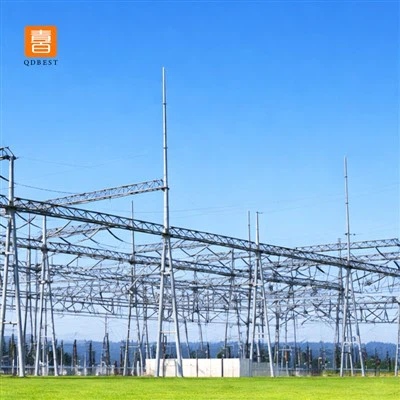
Maintaining the stability and reliability of substation gantry frames under harsh environments poses a variety of challenges. This task is by no means an easy feat, yet the goal can be fully achieved with appropriate approaches. This blog post shares practical tips and solutions to help maintain the sound operating condition of substation gantry frames even under extremely severe environmental conditions.
Understanding the Harsh Environment
First things first, let's talk about what we mean by a harsh environment. This can include extreme temperatures, high humidity, strong winds, heavy snow, and even exposure to corrosive substances. All of these factors can take a toll on your substation gantry structure over time, leading to wear and tear, corrosion, and even structural failure.
For example, in areas with high humidity, moisture can seep into the metal components of the gantry structure, causing rust and corrosion. In regions with strong winds, the structure may be subjected to high wind loads, which can cause it to sway or even collapse if it's not properly designed and installed. And in areas with heavy snow, the weight of the snow can put additional stress on the structure, leading to deformation or failure.
Choosing the Right Materials
One of the most important steps in ensuring the reliability of a substation gantry structure in a harsh environment is choosing the right materials. The materials you choose should be able to withstand the specific conditions of the environment in which the structure will be located.
For example, if the structure will be located in an area with high humidity, you may want to consider using materials that are resistant to corrosion, such as stainless steel or galvanized steel. Galvanized steel is a popular choice for substation gantry structures because it has a protective layer of zinc that helps to prevent rust and corrosion. You can learn more about Galvanized Substation Steel Structures on our website.
In addition to corrosion resistance, you also need to consider the strength and durability of the materials. The structure should be able to withstand the expected loads and stresses, including wind, snow, and seismic activity. You may want to consult with a structural engineer to determine the appropriate materials and design for your specific application.
Proper Design and Installation
Another key factor in ensuring the reliability of a substation gantry structure is proper design and installation. The structure should be designed to meet the specific requirements of the environment in which it will be located, including the expected loads and stresses.
During the design process, it's important to consider factors such as the height and width of the structure, the type of foundation, and the connection details. The structure should be designed to be stable and secure, with proper bracing and support to prevent swaying or collapse.
Once the design is complete, it's important to ensure that the structure is installed correctly. This includes proper site preparation, foundation installation, and assembly of the structure. The installation should be carried out by experienced professionals who are familiar with the specific requirements of substation gantry structures.


Regular Maintenance and Inspection
Even with the right materials and proper design and installation, it's important to perform regular maintenance and inspection on your substation gantry structure. This can help to identify and address any potential issues before they become major problems.
Regular maintenance can include tasks such as cleaning the structure, checking for signs of corrosion or damage, and tightening any loose bolts or connections. You may also want to perform periodic inspections to assess the overall condition of the structure and identify any areas that may need attention.
In addition to regular maintenance and inspection, it's also important to have a plan in place for dealing with any emergencies or unexpected events. This can include having a backup power supply, emergency response procedures, and a plan for evacuating the area if necessary.
Using Advanced Technologies
Finally, it's worth considering the use of advanced technologies to enhance the reliability of your substation gantry structure. For example, you may want to use sensors and monitoring systems to track the performance of the structure and detect any potential issues in real-time.
These sensors can be used to monitor factors such as temperature, humidity, vibration, and stress, and can provide early warning signs of potential problems. By using these technologies, you can take proactive measures to address any issues before they become major problems, and ensure the continued reliability of your substation gantry structure.
Conclusion
Ensuring the reliability of a substation gantry structure in a harsh environment is a complex and challenging task, but it's not impossible. By choosing the right materials, designing and installing the structure properly, performing regular maintenance and inspection, and using advanced technologies, you can help to ensure that your structure remains in top shape for years to come.
If you're in the market for a substation gantry structure, I encourage you to contact us to learn more about our products and services. We have a team of experienced professionals who can help you choose the right structure for your specific needs and ensure that it's installed and maintained properly. You can also visit our website to learn more about our Electrical Structure and