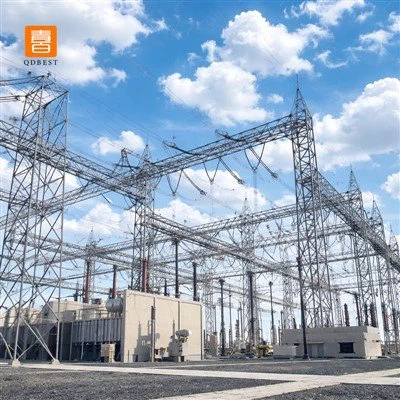
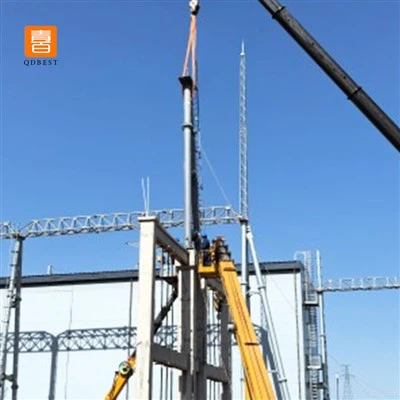
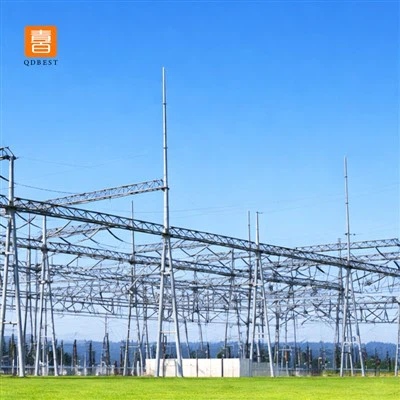
Substation structures play a pivotal role in the power grid, serving as the backbone for the efficient and reliable distribution of electricity. This blog will explore some of the key areas where substation structures can be expanded to meet the evolving needs of the power sector.
Technological Advancements and Innovation
The rapid pace of technological advancements is one of the primary drivers of expansion in substation structures. With the increasing adoption of smart grid technologies, there is a growing need for substation structures that can support advanced monitoring, control, and communication systems. For example, the integration of sensors and IoT devices into substation structures allows for real-time monitoring of equipment performance, enabling proactive maintenance and reducing the risk of outages.
Moreover, the development of high-voltage direct current (HVDC) transmission systems has opened up new opportunities for substation expansion. HVDC technology offers several advantages over traditional alternating current (AC) systems, including lower transmission losses and the ability to transmit power over longer distances. As a result, there is a growing demand for substation structures that can accommodate HVDC equipment, such as converter stations and DC switchyards.
Another area of technological innovation is the use of advanced materials in substation construction. For instance, the use of composite materials can provide significant benefits in terms of weight reduction, corrosion resistance, and durability. These materials can also be more easily customized to meet the specific requirements of different substation applications. By leveraging these technological advancements, substation structures can be designed and built to be more efficient, reliable, and cost-effective.

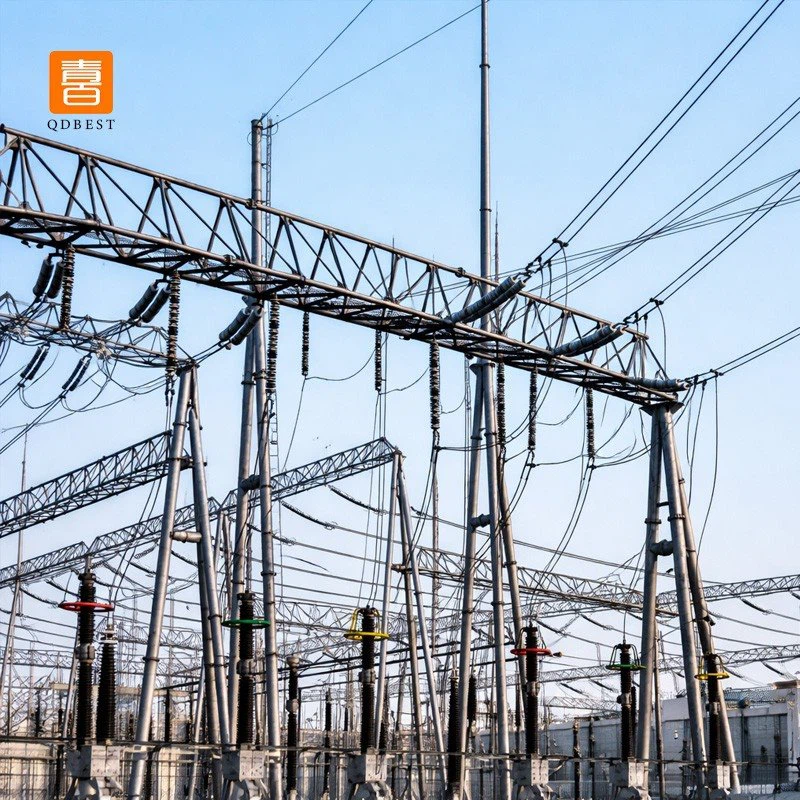
Grid Expansion and Modernization
As the demand for electricity continues to grow, there is a need for the expansion and modernization of the power grid. This includes the construction of new substations and the upgrading of existing ones to increase their capacity and improve their performance. Substation structures are a critical component of this process, as they provide the physical support for the electrical equipment and ensure the safe and reliable operation of the grid.
One of the key trends in grid expansion is the development of distributed generation systems, such as solar and wind farms. These systems are typically connected to the grid at the distribution level, which requires the construction of new substations or the modification of existing ones to accommodate the integration of renewable energy sources. Substation structures need to be designed to support the unique requirements of these distributed generation systems, such as the need for additional transformers, switchgear, and protection devices.
In addition to distributed generation, there is also a growing need for the modernization of the existing grid infrastructure. This includes the replacement of aging equipment, the installation of new control systems, and the improvement of the overall reliability and resilience of the grid. Substation structures can play a crucial role in this process by providing a platform for the installation of new equipment and the implementation of advanced control and monitoring systems.
Environmental Considerations
In recent years, there has been an increasing focus on environmental sustainability in the power sector. This has led to the development of new regulations and standards that require substation structures to be designed and built in an environmentally friendly manner. For example, the use of recycled materials, the reduction of energy consumption, and the minimization of waste generation are all important considerations in substation construction.
One of the key environmental challenges in substation design is the management of electromagnetic fields (EMFs). EMFs are generated by the electrical equipment in substations and can have potential health effects on humans. As a result, substation structures need to be designed to minimize the exposure to EMFs, while still ensuring the safe and reliable operation of the electrical equipment. This can be achieved through the use of shielding materials, the proper placement of equipment, and the implementation of strict safety protocols.
Another environmental consideration is the impact of substation construction on the surrounding ecosystem. Substations often require a large amount of land, which can lead to the destruction of natural habitats and the displacement of wildlife. To mitigate these impacts, substation structures can be designed to minimize the footprint of the substation and to incorporate environmental features, such as green roofs and wildlife corridors.
International Expansion
The demand for substation structures is not limited to a single country or region. In fact, there is a growing need for substation structures in emerging economies, where the demand for electricity is increasing rapidly. As a supplier of substation structures, there are significant opportunities for international expansion, particularly in countries with developing power grids.
One of the key challenges in international expansion is the need to comply with local regulations and standards. Each country has its own set of rules and requirements for substation construction, which can vary significantly from one country to another. As a result, it is important to have a thorough understanding of the local regulations and to work closely with local partners to ensure that the substation structures are designed and built in compliance with these regulations.
Another challenge in international expansion is the need to adapt to the local culture and business practices. Different countries have different ways of doing business, and it is important to be sensitive to these cultural differences and to build strong relationships with local partners. By understanding the local market and building strong partnerships, it is possible to successfully expand into new international markets and to meet the growing demand for substation structures.
Conclusion
In conclusion, there are numerous expansion possibilities for substation structures in the power sector. Technological advancements, grid expansion and modernization, environmental considerations, and international expansion are all key areas where substation structures can be expanded to meet the evolving needs of the industry. As a supplier of substation structures, it is important to stay ahead of these trends and to continuously innovate and improve our products and services.
If you are interested in learning more about our substation structures or if you have any questions about the expansion possibilities for your substation, please feel free to [initiate a conversation with our team]. We would be happy to discuss your specific requirements and to provide you with a customized solution that meets your needs.