Radio frequency interference (RFI) is a big headache when it comes to substation structures. In this blog, I'm gonna share some effective RFI reduction measures that we can take for substation structures.
Understanding RFI in Substation Structures
Before we dive into the reduction measures, let's quickly understand what RFI is and why it's a problem in substation structures. RFI is basically the disturbance that affects an electrical circuit due to either electromagnetic induction or electromagnetic radiation emitted from an external source. In substations, there are a whole bunch of electrical equipment like transformers, circuit breakers, and conductors. These can generate strong electromagnetic fields, which in turn can cause RFI.
The consequences of RFI in substations are no joke. It can interfere with the communication systems within the substation, leading to inaccurate data transmission and even system failures. It can also affect nearby radio and TV signals, causing interference for the general public. So, it's crucial to take steps to reduce RFI in substation structures.
Grounding and Bonding
One of the most fundamental RFI reduction measures is proper grounding and bonding. Grounding provides a low - resistance path for electrical currents, including those caused by RFI, to flow safely into the earth. This helps to prevent the build - up of static charges and reduces the potential for electrical discharges that can generate RFI.
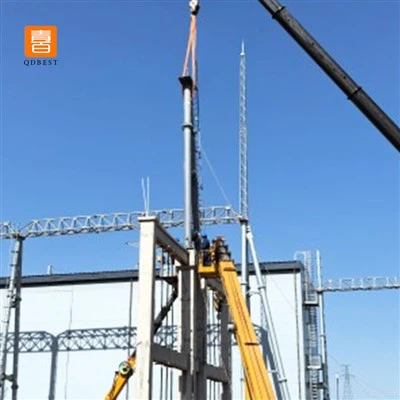
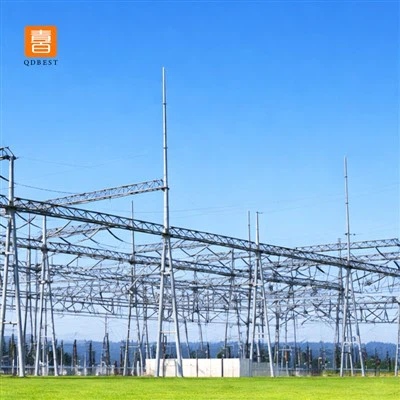
When it comes to substation structures, we need to ensure that all metallic components are properly grounded. This includes the Substation Steel Structure, which forms the framework of the substation. By connecting the steel structure to a well - designed grounding system, we can effectively dissipate the RFI currents.
Bonding, on the other hand, is about connecting all metal parts together to create an electrically continuous path. This helps to equalize the electrical potential between different parts of the substation structure and prevents the formation of potential differences that can lead to RFI. For example, all the conductors and equipment enclosures should be bonded to the grounding system and to each other.
Shielding
Shielding is another effective way to reduce RFI in substation structures. A shield is a conductive material that is used to block or reduce the electromagnetic fields generated by electrical equipment. There are different types of shielding materials available, such as copper, aluminum, and steel.
For substation control rooms and communication rooms, we can install shielded enclosures. These enclosures are made of conductive materials and can effectively block the RFI from entering the room. Inside the control room, electronic equipment can also be placed in shielded boxes to further protect it from RFI.
In addition to enclosures, we can also use shielded cables. Shielded cables have a conductive layer around the core conductor, which helps to prevent the leakage of electromagnetic fields from the cable and also protects the cable from external RFI. When installing cables in substation structures, it's important to make sure that the shielding is properly grounded to be effective.
Filtering
Filtering is a technique used to remove unwanted frequencies from electrical signals. In substation structures, filters can be used to reduce RFI in power supplies and communication lines.
Power line filters are commonly used to remove high - frequency noise from the electrical power supply. These filters are installed between the power source and the electrical equipment. They work by blocking the high - frequency components of the electrical signal while allowing the low - frequency power to pass through.
Communication line filters are used to protect communication systems from RFI. They are designed to filter out the unwanted frequencies that can interfere with the communication signals. For example, in a substation's data communication network, filters can be installed at the input and output of each communication device to ensure reliable data transmission.
Equipment Selection and Layout
The choice of electrical equipment and its layout in substation structures can also have a significant impact on RFI levels. When selecting equipment, we should choose those that are designed to emit minimal RFI. For example, modern transformers and circuit breakers are often designed with features to reduce electromagnetic emissions.
The layout of the equipment is also important. We should try to separate the equipment that generates high - level RFI from the sensitive communication and control equipment. For example, the Power Substation Structures should be designed in such a way that the transformers, which are major sources of RFI, are located at a sufficient distance from the control rooms and communication rooms.
Maintenance and Inspection
Regular maintenance and inspection are essential to ensure the effectiveness of RFI reduction measures in substation structures. Over time, grounding systems can deteriorate, shielding materials can get damaged, and filters can become less effective.
We should regularly check the integrity of the grounding system, including the grounding electrodes, conductors, and connections. Any signs of corrosion, loose connections, or damage should be repaired immediately.
The shielding enclosures and cables should also be inspected for damage. If the shielding is damaged, it can lose its effectiveness in blocking RFI. Filters should be tested regularly to ensure that they are still functioning properly.


Conclusion
RFI reduction in substation structures is a complex but necessary task. By implementing proper grounding and bonding, shielding, filtering, careful equipment selection and layout, and regular maintenance and inspection, we can significantly reduce the impact of RFI on substation operations.
As a substation structures supplier, we are committed to providing high - quality Electrical Structure, Galvanized Substation Steel Structures, Power Substation Structures, Substation Steel Structure, and Substation Gantry Structure that are designed to minimize RFI. If you're in the market for substation structures and want to discuss how we can help you with RFI reduction, feel free to reach out to us. We're here to provide you with the best solutions for your substation needs.