Fire protection is of critical importance to distribution substations. Acting as the heart of the power system, a distribution substation, once caught in fire, will trigger numerous problems including power outages and severe safety hazards. This blog post introduces the fire‑protection measures adopted for distribution substations.
Understanding the Fire Risks in Power Distribution Substations
Before we dive into the fire protection measures, it's important to understand the potential fire risks in a power distribution substation. There are several things that can start a fire in these places.
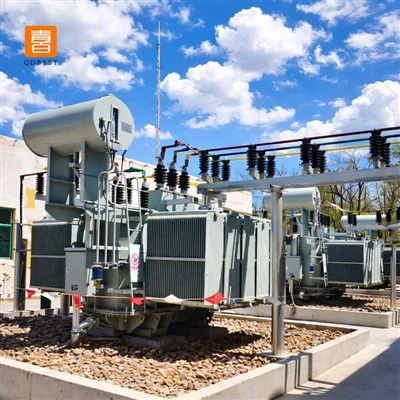
First off, electrical equipment is a major culprit. Transformers, circuit breakers, and other electrical components can overheat due to short - circuits, overloads, or insulation failures. When the temperature gets too high, it can ignite nearby flammable materials, like oil in transformers or insulating materials.
Another risk comes from the presence of flammable liquids. Many substations use oil - filled transformers, and if there's a leak or rupture, the oil can spread and catch fire easily. And let's not forget about the potential for arcing. Arcing is when an electric current jumps through the air, creating a high - energy spark that can set things on fire.
Fire Prevention Measures
Equipment Maintenance
One of the most important fire prevention measures is regular equipment maintenance. We need to keep all the electrical equipment in top - notch condition. That means checking for loose connections, worn - out insulation, and signs of overheating on a regular basis. For example, we use infrared thermography to detect hot spots in electrical components. This non - invasive method allows us to identify potential problems before they turn into fires.
We also make sure to follow the manufacturer's guidelines for equipment operation and maintenance. For instance, transformers need to be filled with the right type and amount of oil, and their cooling systems need to be working properly.
Proper Ventilation
Good ventilation is key in a power distribution substation. It helps to remove heat and flammable gases from the air. We design our substations with ventilation systems that can expel hot air and prevent the build - up of combustible vapors. This reduces the risk of fire and also helps to keep the equipment operating at the right temperature.
Use of Fire - Resistant Materials
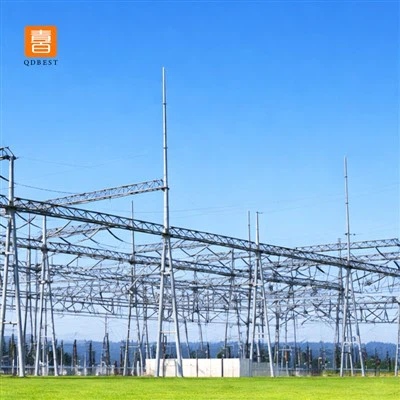
When building or upgrading a power distribution substation, we use fire - resistant materials as much as possible. For the Electrical Structure, we choose materials that can withstand high temperatures and are less likely to catch fire. This includes fire - rated cables, insulating materials, and building structures. For example, the Substation Steel Structure is designed to have good fire - resistance properties.
Fire Detection Systems
Smoke Detectors
Smoke detectors are a basic but essential part of fire detection in a power distribution substation. They are installed in areas where a fire could start, such as near transformers, switchgear, and cable trays. When smoke is detected, the alarm goes off, giving the operators a heads - up so they can take action quickly.
Heat Detectors
Heat detectors are also used in substations. They can detect an abnormal rise in temperature, which could be a sign of an impending fire. There are different types of heat detectors, like fixed - temperature detectors that trigger when the temperature reaches a certain level, and rate - of - rise detectors that respond to a rapid increase in temperature.
Flame Detectors
Flame detectors are more advanced and can quickly detect the presence of flames. They are especially useful in areas where there is a high risk of a sudden fire, like in transformer yards. These detectors can be set to respond to specific wavelengths of light emitted by flames, and they can trigger an alarm or other fire - suppression systems.
Fire Suppression Systems
Water - Based Systems
Water - based fire suppression systems are commonly used in power distribution substations. Sprinkler systems can be installed in areas where a fire is likely to occur, such as in cable rooms and control rooms. When a fire is detected, the sprinklers release water to extinguish the flames. However, we need to be careful when using water in substations because water can conduct electricity and cause short - circuits. So, we use special sprinkler systems that are designed to minimize the risk of electrical problems.


Gas - Based Systems
Gas - based fire suppression systems are another option. These systems use inert gases, like nitrogen or carbon dioxide, to displace oxygen and suppress the fire. They are often used in areas where water - based systems are not suitable, such as in electrical switchgear rooms. Gas - based systems can be very effective, but they need to be carefully designed and maintained to ensure they work properly.
Foam Systems
Foam systems are used to extinguish fires involving flammable liquids, like oil in transformers. The foam forms a blanket over the liquid, preventing oxygen from reaching the fuel and extinguishing the fire. Foam systems are designed to be quick - acting and can be very effective in controlling large fires.
Emergency Response and Training
Emergency Plans
Every power distribution substation should have a well - developed emergency plan. This plan should outline the steps to be taken in case of a fire, including evacuation procedures, how to notify the fire department, and how to shut down the electrical equipment safely. The plan should be regularly reviewed and updated to ensure it remains effective.
Staff Training
The staff at the substation need to be trained in fire safety. They should know how to use the fire - detection and suppression systems, how to follow the emergency plan, and how to respond to a fire situation. Regular training sessions are held to keep the staff up - to - date on the latest fire safety procedures.
Conclusion
In conclusion, fire protection in a power distribution substation is a multi - faceted approach. It involves preventing fires from starting in the first place, detecting fires early, and having effective suppression systems in place. By using the right combination of fire prevention, detection, and suppression measures, we can minimize the risk of fires and keep the power flowing safely.
If you're in the market for a power distribution substation or looking to upgrade your existing one, we're here to help. We have a wide range of Power Substation Structures and can provide you with the best fire protection solutions. Whether it's a Substation Gantry Structure or a Gantry Structures for Electrical Substations, we've got you covered. Contact us to start a discussion about your specific needs and let's work together to create a safe and reliable power distribution substation.