In the ever - evolving landscape of electrical engineering, the design of electrical structures is at the forefront of innovation. In this blog, I will delve into the key future trends in electrical structure design and how they are set to revolutionize the industry.
1. Sustainability and Green Design
One of the most prominent trends in electrical structure design is the increasing emphasis on sustainability. With growing concerns about climate change and environmental impact, there is a pressing need to develop electrical structures that are energy - efficient and environmentally friendly.
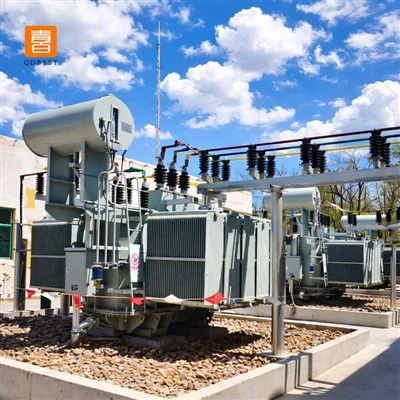
Renewable energy integration is a significant aspect of this trend. Electrical structures are now being designed to support and optimize the use of solar panels, wind turbines, and other renewable energy sources. For example, power distribution substations are being reimagined to handle the intermittent nature of renewable energy. The Power Distribution Substation is a prime example of a structure that can be adapted to integrate renewable energy sources efficiently. These substations need to be designed with advanced power electronics and energy storage systems to ensure a stable power supply.
Another aspect of green design is the use of sustainable materials. Galvanized steel is a popular choice for electrical structures due to its durability and resistance to corrosion. The Galvanized Substation Steel Structures not only have a long lifespan but also require less maintenance, reducing the overall environmental impact. Additionally, efforts are being made to recycle and reuse materials in the construction and decommissioning of electrical structures.
2. Digitalization and Smart Structures
The era of digitalization is transforming electrical structure design. Smart structures are equipped with sensors, actuators, and communication systems that enable real - time monitoring and control. This technology allows for predictive maintenance, improved safety, and enhanced operational efficiency.
For power substations, digitalization means that operators can remotely monitor the health of equipment, detect faults before they occur, and optimize power flow. Power Substation Structures are being integrated with advanced sensors that can measure parameters such as temperature, vibration, and electrical current. These sensors send data to a central control system, where it can be analyzed using artificial intelligence and machine learning algorithms. This analysis helps in predicting equipment failures, scheduling maintenance, and reducing downtime.
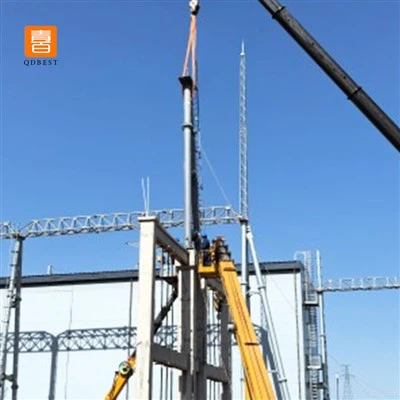
Smart gantry structures for electrical substations are also emerging as a trend. The Gantry Structures for Electrical Substations can be equipped with sensors to monitor their structural integrity. In case of any abnormal conditions, such as excessive vibration or deformation, the system can send an alarm to the operators. This real - time monitoring ensures the safety of the substation and the reliability of the power supply.
3. Modular and Prefabricated Design
Modular and prefabricated design is becoming increasingly popular in electrical structure design. This approach offers several advantages, including reduced construction time, cost savings, and improved quality control.
Modular electrical structures are built in sections in a factory environment and then transported to the installation site for assembly. This reduces the on - site construction time significantly, as the majority of the work is done in a controlled factory setting. For example, substation steel structures can be prefabricated and then quickly assembled on - site. The Substation Steel Structure can be designed in modular units, allowing for easy customization and expansion.
Prefabrication also ensures better quality control, as the manufacturing process can be closely monitored. This results in more consistent and reliable electrical structures. Additionally, modular design allows for easier replacement of components in case of damage or upgrades, making the structures more adaptable to future changes.


4. Resilience and Disaster - Resistance
With the increasing frequency and intensity of natural disasters, electrical structures need to be designed to be more resilient. This includes protection against earthquakes, floods, hurricanes, and wildfires.
In earthquake - prone areas, electrical structures are being designed with seismic - resistant features. This may include flexible connections, base isolation systems, and reinforced foundations. These features help the structures withstand the ground motion during an earthquake and prevent damage to critical electrical equipment.
For flood - prone regions, electrical structures are being elevated or designed with waterproofing measures. Substations are often built on raised platforms to avoid water damage. Additionally, equipment is being designed to be more resistant to moisture and corrosion.
In areas affected by hurricanes and wildfires, electrical structures are being designed with fire - resistant materials and wind - resistant features. Gantry structures, for example, need to be able to withstand high - speed winds without collapsing.
5. Miniaturization and High - Density Design
As the demand for electricity continues to grow, there is a need to design electrical structures that can accommodate more equipment in a smaller space. Miniaturization and high - density design are emerging trends in response to this challenge.
Advances in semiconductor technology and power electronics have made it possible to reduce the size of electrical equipment while maintaining or increasing its performance. This allows for the design of more compact electrical structures. For example, power substations can now be designed with smaller transformers and switchgear, resulting in a more efficient use of space.
High - density design also requires careful consideration of heat dissipation and electromagnetic interference. Specialized cooling systems and shielding techniques are being developed to ensure the proper functioning of the equipment in a compact environment.
6. Integration of Energy Storage
Energy storage is becoming an essential part of electrical structure design. With the increasing use of renewable energy sources, which are intermittent by nature, energy storage systems are needed to store excess energy and release it when needed.
Battery energy storage systems (BESS) are being integrated into electrical substations and other power structures. These systems can store electrical energy during periods of low demand and discharge it during peak demand, helping to stabilize the power grid. They also provide backup power in case of outages, improving the reliability of the power supply.
Designing electrical structures to accommodate energy storage systems requires careful planning. Considerations include the physical space required for the batteries, the electrical connections, and the thermal management of the storage system.
Conclusion
The future of electrical structure design is filled with exciting possibilities. From sustainability and digitalization to modular design and energy storage integration, these trends are set to transform the industry. As an Electrical Structure supplier, we are committed to staying at the forefront of these developments and providing our customers with innovative and high - quality products.
If you are in the market for electrical structures and are interested in exploring how these future trends can benefit your project, we invite you to contact us for a procurement discussion. Our team of experts is ready to assist you in finding the best solutions for your specific needs.