What is the capacity of a Lattice Telecommunication Tower?
The load-bearing capacity of the lattice communication tower body is a critical concern, especially for practitioners in the telecommunications industry aiming to build efficient and stable communication networks. Below, we will conduct an in-depth discussion on what exactly the load-bearing capacity of a lattice communication tower refers to.
First off, when we talk about the capacity of a Lattice Telecommunication Tower, we're not just referring to its physical size or how many antennas it can hold. There are several aspects to consider, and it all boils down to how well the tower can support and facilitate communication operations.
Physical Capacity
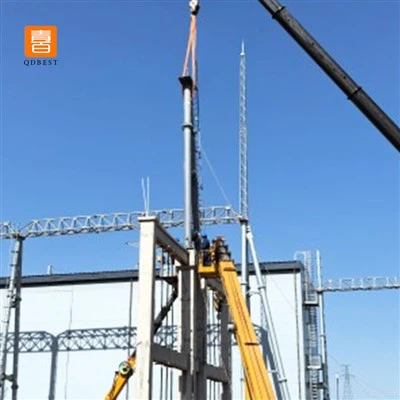
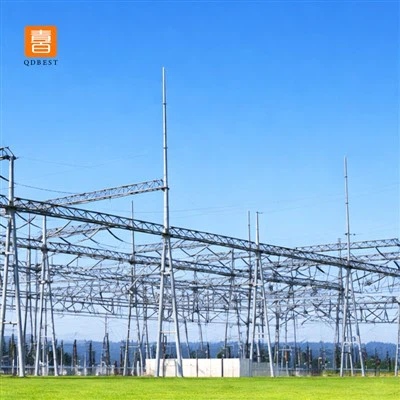
The physical capacity of a Lattice Telecommunication Tower is related to its structural design and dimensions. These towers are typically made of angle steel, which gives them the strength and stability needed to withstand various environmental conditions. For example, Angle Steel Telecommunication Tower is a common type that offers great durability.
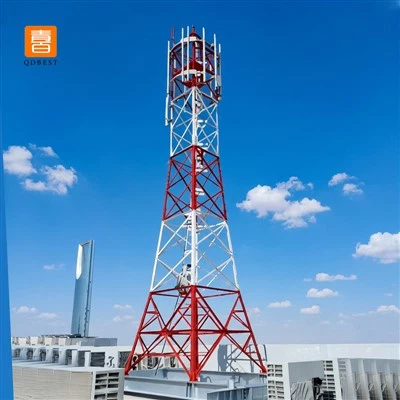
The height of the tower plays a significant role in its physical capacity. Taller towers can provide a wider coverage area, allowing for better signal transmission over longer distances. A 35M Telecom 4 - Legged Galvanized Angular Steel Towers can reach a larger geographical area compared to a shorter one. The number of legs and the overall structure also determine how many antennas and other communication equipment it can support.
The lattice design of these towers is not just for looks. It's a clever engineering solution that maximizes strength while minimizing weight. This means that the tower can carry a substantial load of antennas, transmitters, and other devices without being overly heavy or cumbersome.
Signal Capacity
Signal capacity is perhaps the most important aspect when it comes to a Lattice Telecommunication Tower. It refers to the amount of data and signals that the tower can handle at any given time. This is influenced by several factors, including the type of antennas installed, the frequency bands used, and the tower's location.
Modern communication technologies require high - speed data transfer, and the tower needs to be able to support these demands. For instance, if you're using the tower for 5G communication, it needs to have the capacity to handle the large volumes of data associated with this technology. The antennas on the tower need to be able to transmit and receive signals effectively across different frequency bands.
The location of the tower also affects its signal capacity. A tower placed in an area with less interference, such as away from large buildings or industrial areas, can have a higher signal capacity. It can transmit and receive signals more clearly, resulting in better communication quality.
Power Capacity
Power capacity is another crucial factor. The tower needs to have enough power to operate all the equipment installed on it. This includes powering the antennas, transmitters, and any other devices that are part of the communication system.

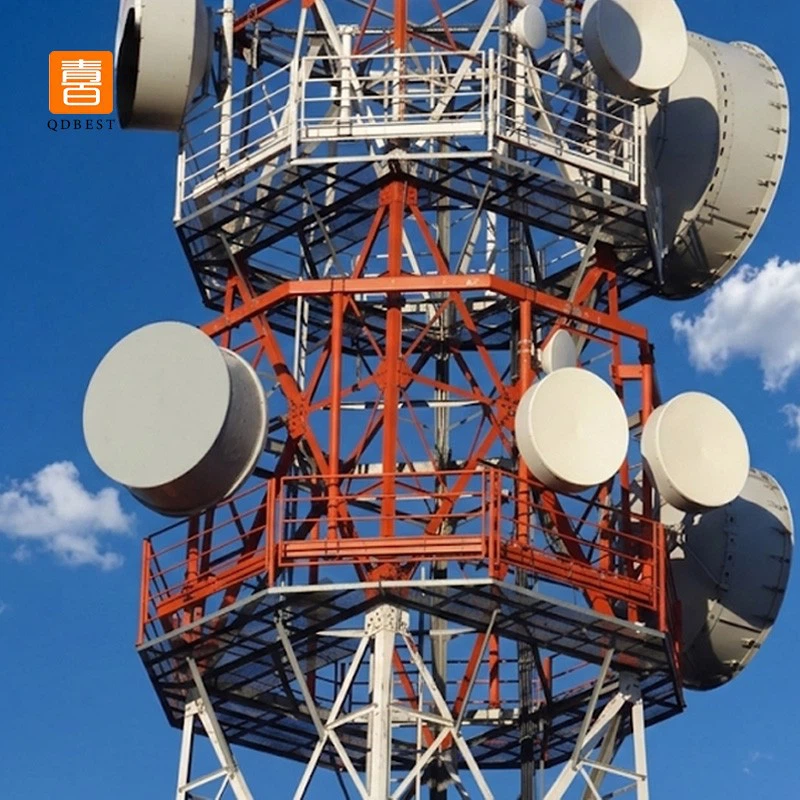
The power requirements can vary depending on the number and type of equipment. For example, a 25M Galvanized Angle Steel Microwave Communication Tower used for microwave communication may have different power needs compared to a tower used for cellular communication.
To ensure reliable power supply, the tower may be connected to the main power grid or have backup power sources such as generators or batteries. This way, even in case of a power outage, the communication system can continue to function.
Environmental Capacity
The environmental capacity of a Lattice Telecommunication Tower refers to its ability to withstand different weather conditions and natural disasters. These towers are often exposed to harsh elements such as strong winds, heavy rain, snow, and even earthquakes.
The angle steel construction of the tower makes it more resistant to these environmental factors. The lattice design allows the wind to pass through, reducing the wind load on the structure. Additionally, the tower is usually galvanized to prevent corrosion, which can weaken the structure over time.
A well - designed tower can also be engineered to withstand seismic activity. This is especially important in areas prone to earthquakes. By having a high environmental capacity, the tower can ensure continuous communication services even in challenging conditions.
How to Determine the Right Capacity for Your Needs
So, how do you figure out what capacity of a Lattice Telecommunication Tower you need? It all depends on your specific requirements. If you're a small - scale telecom provider looking to cover a local area, a shorter tower with a lower capacity may be sufficient. On the other hand, if you're a large - scale operator serving a wide region, you'll need a taller tower with a higher capacity.
Consider the type of communication services you'll be offering. If it's mainly voice calls, the capacity requirements may be different compared to if you're offering high - speed data services. Also, think about the growth potential of your business. You may want to choose a tower with some extra capacity to accommodate future expansion.
Our Offerings
As a supplier of Lattice Telecommunication Tower, we offer a wide range of towers with different capacities to meet your specific needs. Whether you need a 35M Telecom 4 - Legged Galvanized Angular Steel Towers for a large - scale project or a 25M Galvanized Angle Steel Microwave Communication Tower for a more specialized application, we've got you covered.
Our Telecom Angle Steel Tower is designed with the latest technology and engineering standards to ensure high capacity and reliability. We can also provide customized solutions based on your unique requirements.
Let's Talk
If you're in the market for a Lattice Telecommunication Tower and want to discuss your capacity needs, don't hesitate to reach out. We're here to help you find the perfect tower for your project. Whether it's about physical capacity, signal capacity, power capacity, or environmental capacity, we have the expertise to guide you through the selection process.
Contact us today to start the conversation and let's work together to build a reliable and efficient communication network.