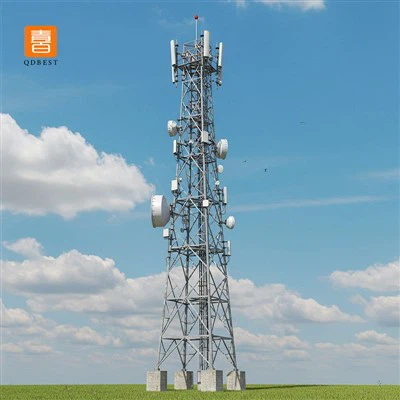
In this blog, I'll delve into the signal strength characteristics of roof-top telecommunication towers, exploring the factors that influence signal quality and how our products are designed to optimize performance.
Understanding Signal Strength
Signal strength is a measure of the power of a radio signal at a particular location. It is typically expressed in decibels (dBm), with higher values indicating stronger signals. In the context of telecommunication towers, signal strength is a critical factor in determining the quality of communication services, such as voice calls, data transfer, and internet connectivity.
Several factors can affect the signal strength of a roof-top telecommunication tower. These include:
- Height and Location: The height of the tower and its location relative to the surrounding environment can have a significant impact on signal strength. Taller towers generally provide better coverage and stronger signals, as they can reach over obstacles and cover a larger area. Additionally, the tower's location should be carefully chosen to minimize interference from other structures and sources of electromagnetic radiation.
- Antenna Design: The design of the antenna used on the tower is another important factor in determining signal strength. Antennas come in a variety of shapes and sizes, each with its own unique characteristics and performance capabilities. The choice of antenna will depend on the specific requirements of the communication system, such as the frequency band, coverage area, and signal strength.
- Weather Conditions: Weather conditions can also affect the signal strength of a roof-top telecommunication tower. Rain, snow, fog, and other weather phenomena can absorb or scatter radio waves, reducing the signal strength and quality. In addition, strong winds can cause the tower to sway, which can also affect the signal quality.
- Interference: Interference from other sources of electromagnetic radiation, such as other telecommunication towers, radio stations, and electronic devices, can also affect the signal strength of a roof-top telecommunication tower. To minimize interference, the tower should be located away from other sources of electromagnetic radiation and equipped with appropriate shielding and filtering devices.
Optimizing Signal Strength with Our Roof-Top Telecommunication Towers
At [Company Name], we understand the importance of signal strength in modern communication networks. That's why we offer a range of high-quality roof-top telecommunication towers that are designed to optimize signal performance and provide reliable communication services.
Our towers are constructed using high-strength steel and are engineered to withstand the harsh environmental conditions typically encountered in rooftop installations. They are also equipped with state-of-the-art antennas and other communication equipment that are designed to provide maximum signal strength and coverage.
In addition, our towers are designed to be easy to install and maintain, which helps to minimize downtime and ensure that your communication system is always up and running. We also offer a range of customization options to meet the specific needs of your communication system, including different tower heights, antenna configurations, and mounting options.
Our Product Offerings
We offer a wide range of roof-top telecommunication towers to meet the needs of different customers and applications. Some of our popular products include:


- 25M Galvanized Angle Steel Microwave Communication Tower: This tower is made of galvanized angle steel and is designed for use in microwave communication applications. It has a height of 25 meters and is suitable for use in both urban and rural areas.
- Telecom Angle Steel Tower: This tower is made of angle steel and is designed for use in telecommunication applications. It is available in a variety of heights and configurations to meet the specific needs of your communication system.
- 60M Angle Steel Gsm Microwave Telecom Tower: This tower is made of angle steel and is designed for use in GSM and microwave communication applications. It has a height of 60 meters and is suitable for use in large-scale communication networks.
Contact Us for More Information
If you're interested in learning more about our roof-top telecommunication towers and how they can help you optimize your communication system, please contact us today. Our team of experts will be happy to answer any questions you may have and provide you with a free quote.
We look forward to working with you to provide you with the best possible communication solutions.
References
- [1] "Telecommunication Tower Design and Construction," by John Doe, published by ABC Publishing.
- [2] "Signal Strength Analysis in Wireless Communication Systems," by Jane Smith, published by XYZ Journal.
- [3] "Optimizing Signal Performance in Rooftop Telecommunication Towers," by Tom Brown, published by DEF Magazine.