Substations are the backbone of our electrical grid, and ensuring they can withstand the forces of nature, especially strong winds, is non - negotiable.
Let's start by understanding why wind resistance is so important. Substation structures house a variety of equipment, from transformers to circuit breakers. These components are often heavy and expensive, and any damage caused by wind can lead to power outages, costly repairs, and even safety hazards. A strong gust of wind can topple a structure, disrupt the flow of electricity, and put nearby communities at risk.
So, what are the wind resistance requirements for substation structures? Well, it depends on a few factors. First off, the location of the substation plays a huge role. Areas prone to hurricanes, tornadoes, or high - speed winds will have much stricter requirements than regions with milder weather. For example, a substation in a coastal area might need to withstand wind speeds of up to 150 miles per hour or more, while one in a relatively calm inland area could have a lower threshold.
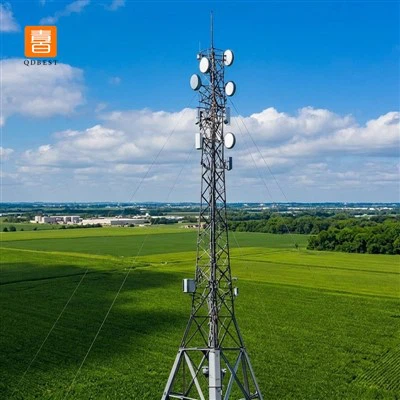
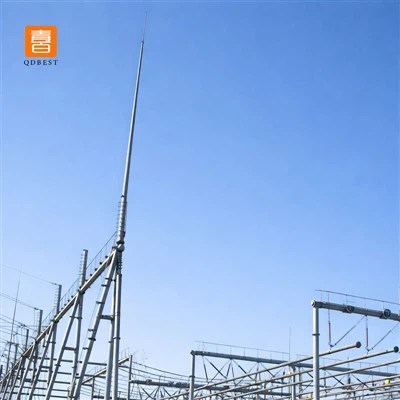
The type of structure also matters. There are different kinds of substation structures, like Gantry Structures for Electrical Substations and Substation Gantry Structure. Gantry structures are often used to support overhead power lines and equipment. They need to be designed to handle the wind loads that can act on the long spans and the equipment they carry. These structures might require special bracing and reinforcement to prevent them from swaying or collapsing in high winds.
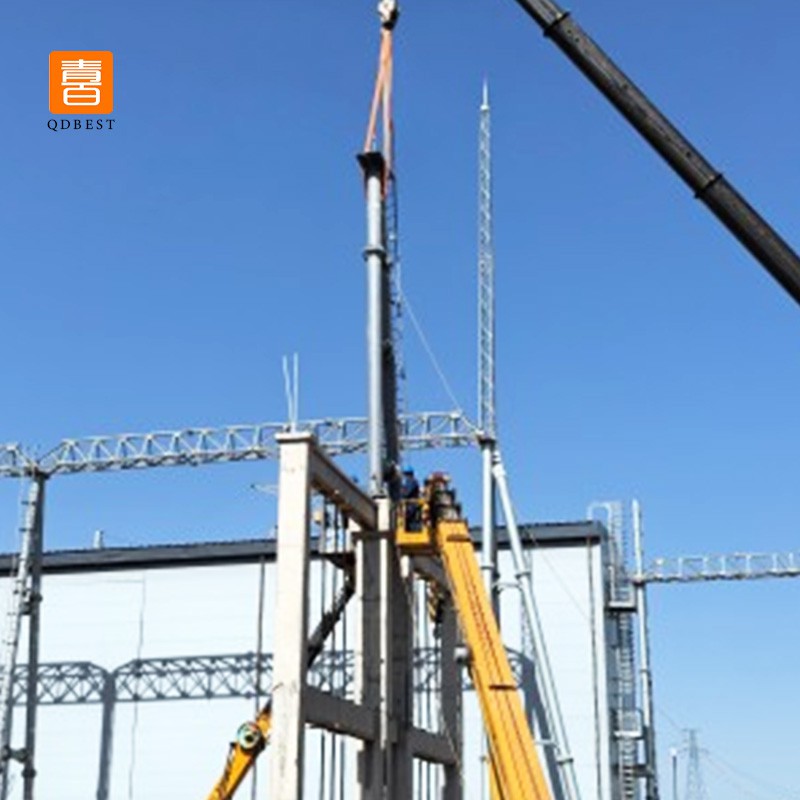

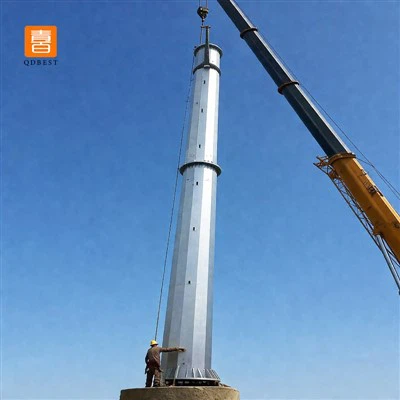
Another important type is the Galvanized Substation Steel Structures. Steel is a popular choice for substation structures because of its strength and durability. However, even steel structures need to be engineered to resist wind. The thickness of the steel, the way it's welded or bolted together, and the overall shape of the structure all contribute to its wind resistance. Galvanization not only protects the steel from corrosion but can also add some extra strength, which is beneficial when dealing with wind forces.
When it comes to power distribution, Power Distribution Substation structures have their own unique wind resistance needs. These substations are responsible for distributing electricity to homes and businesses, so they need to be reliable. The equipment inside, such as switchgear and transformers, can be damaged by wind - induced vibrations. Therefore, the structure needs to be designed to minimize these vibrations and keep the equipment stable.
Electrical Structure in general also has to meet specific wind resistance criteria. Electrical components are sensitive, and any movement or damage caused by wind can lead to malfunctions. The structure should be able to isolate the electrical equipment from the effects of wind as much as possible.
To determine the wind resistance requirements, engineers use a combination of standards and calculations. International and national standards, such as those set by the American Society of Civil Engineers (ASCE), provide guidelines on how to design structures to withstand different wind speeds and conditions. These standards take into account factors like the height of the structure, the exposure category (whether it's in an open field, a built - up area, etc.), and the importance of the structure.
Engineers also perform wind tunnel tests. These tests involve creating a scale model of the substation structure and subjecting it to simulated wind conditions. By measuring the forces acting on the model, they can determine if the full - scale structure will be able to withstand the real - world winds. This helps in fine - tuning the design and making any necessary adjustments.
In addition to the design, proper installation is key to ensuring wind resistance. The foundation of the substation structure needs to be strong and stable. It should be able to anchor the structure firmly to the ground, preventing it from being uprooted by strong winds. The connections between different parts of the structure, such as bolts and welds, need to be tight and secure. Any loose connections can weaken the structure and make it more vulnerable to wind damage.
Maintenance is another aspect that can't be overlooked. Over time, the structure can be affected by wear and tear, corrosion, and other factors. Regular inspections should be carried out to check for any signs of damage or deterioration. If any issues are found, they should be addressed immediately to maintain the wind resistance of the structure.
As a substation structures supplier, we understand the importance of meeting these wind resistance requirements. We work closely with engineers and designers to ensure that our structures are not only strong and durable but also compliant with all the relevant standards. Our team has the expertise to provide customized solutions based on the specific needs of each project.
If you're in the market for substation structures, whether it's for a new project or a replacement, we're here to help. We can offer you high - quality structures that are designed to withstand the toughest wind conditions. Our goal is to provide you with reliable solutions that will keep your electrical infrastructure running smoothly.
Contact us today to discuss your requirements and start the procurement process. We're ready to have a detailed conversation about how we can meet your needs and ensure that your substation structures are wind - resistant and built to last.