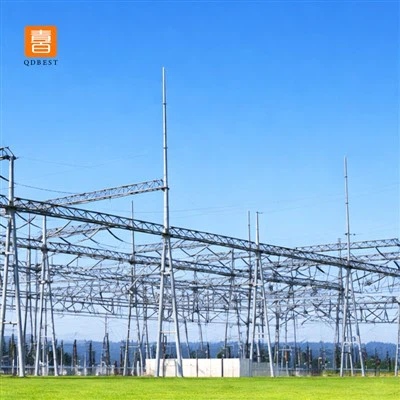
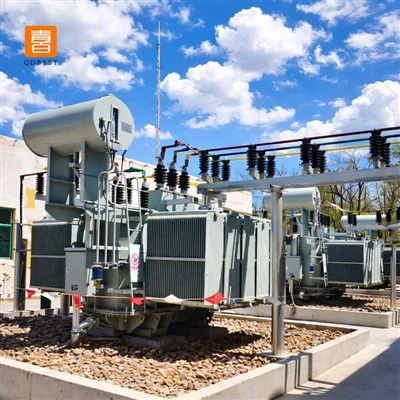
Climate change has brought a wide range of shifts to our industry. This blog post shares the impacts of climate change on transmission towers and the corresponding countermeasures we can adopt.
Extreme Weather Events
One of the most obvious ways climate change affects electrical transmission towers is through extreme weather events. Storms, hurricanes, and tornadoes are becoming more frequent and intense, and these can cause serious damage to towers. High winds can topple towers or break their components, while heavy rain and flooding can weaken the tower foundations.
For example, during a hurricane, the strong winds can exert enormous pressure on the tower structure. If the tower isn't designed to withstand these forces, it can easily collapse. And when there's flooding, the water can erode the soil around the tower's base, reducing its stability.
As a supplier, we've had to adapt our designs to make our Electric Transmission Angle Steel Tower more resilient. We're using stronger materials and improving the engineering to ensure they can handle extreme weather.
Rising Temperatures
Another major impact of climate change is rising temperatures. Higher temperatures can cause the metal in transmission towers to expand. Over time, this expansion and contraction can lead to stress on the tower components, causing cracks and other structural damage.
In addition, increased heat can also affect the conductors that carry electricity. The higher temperatures can cause the conductors to sag, which can increase the risk of them coming into contact with other objects, such as trees or buildings. This can lead to power outages and even electrical fires.
To address these issues, we're developing new materials for our Electric Transmission Line Tower that are more resistant to heat. We're also working on better ways to monitor the temperature of the towers and conductors to prevent problems before they occur.
Changing Precipitation Patterns
Climate change is also altering precipitation patterns. Some areas are experiencing more frequent and intense rainfall, while others are facing droughts. Both of these situations can have a negative impact on electrical transmission towers.
In areas with heavy rainfall, the excess water can cause soil erosion around the tower foundations. This can make the towers less stable and increase the risk of collapse. On the other hand, droughts can cause the soil to dry out and shrink, which can also affect the tower's stability.

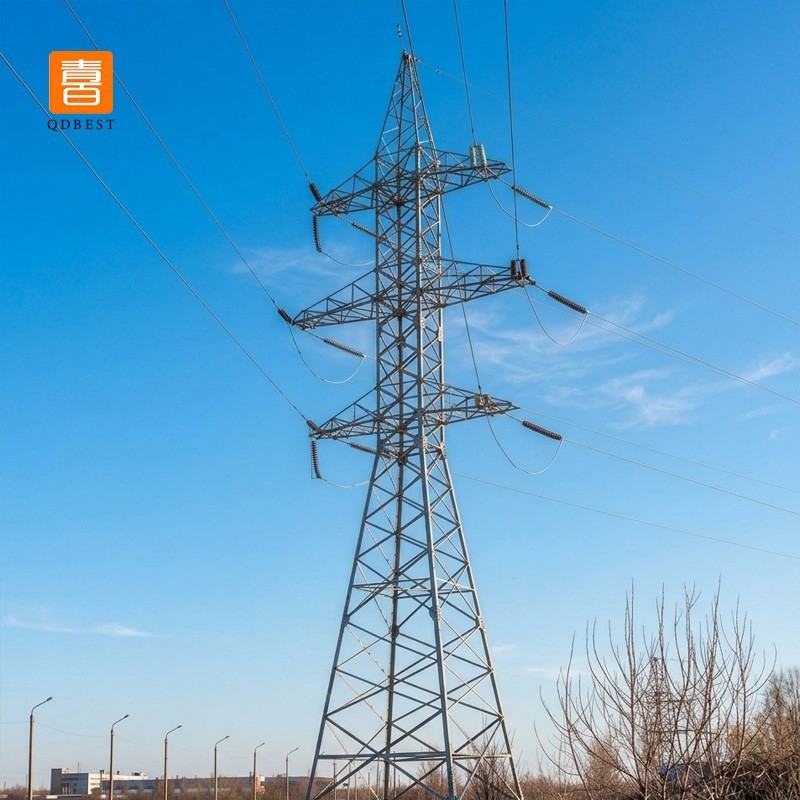
We've been focusing on improving the foundation designs of our Four Legged Angle Steel Tower to better withstand these changing precipitation patterns. For example, we're using concrete that's more resistant to water erosion and designing foundations that can adapt to different soil conditions.
Wildfires
Wildfires are becoming more common due to climate change, and they pose a significant threat to electrical transmission towers. The intense heat from wildfires can damage the tower structure, melting the metal and weakening the components. In addition, the smoke and ash from wildfires can also cause problems for the electrical equipment on the towers.
To protect our Fabricated Transmission Towers from wildfires, we're using fire-resistant coatings and insulation. We're also working with utility companies to develop strategies for quickly shutting down power lines in the event of a wildfire to prevent further damage.
Sea-Level Rise
For coastal areas, sea-level rise is a major concern. As the sea levels rise, electrical transmission towers located near the coast are at risk of being submerged. Saltwater can corrode the metal components of the towers, leading to structural failure.
We're developing corrosion-resistant coatings and materials for our 110kV - 750kV Transmission Line Tower to protect them from the effects of saltwater. We're also exploring the possibility of elevating the towers or relocating them to higher ground in some cases.
What Can We Do?
As a supplier, we're doing our part to make our electrical transmission towers more resilient to climate change. But it's not just up to us. Utility companies, governments, and consumers all have a role to play.
Utility companies need to invest in upgrading their transmission infrastructure to make it more climate-resilient. This includes replacing old towers with more modern, durable ones and implementing better monitoring and maintenance systems.
Governments can play a role by providing incentives for the development and deployment of climate-resilient technologies. They can also regulate the construction and operation of electrical transmission towers to ensure they meet certain standards for climate resilience.
Consumers can help by reducing their energy consumption and using renewable energy sources. This can reduce the demand on the electrical grid and make it less vulnerable to the impacts of climate change.
Conclusion
Climate change is having a significant impact on electrical transmission towers, but we're not helpless. By working together, we can develop solutions to make our transmission infrastructure more resilient. As a supplier, we're committed to providing high-quality, climate-resilient electrical transmission towers. If you're in the market for transmission towers and want to learn more about how our products can withstand the challenges of climate change, don't hesitate to reach out for a purchase consultation. Let's build a more reliable and sustainable electrical grid together.