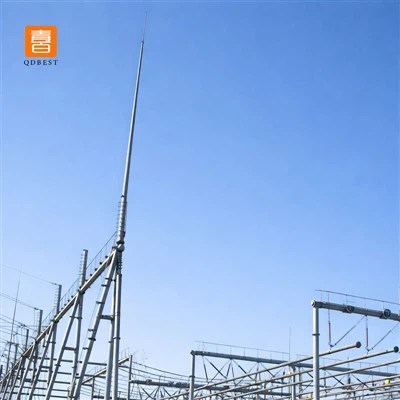
How to Ensure the Electromagnetic Compatibility of Electrical Structures
This blog will explore the concept of EMC, its importance, and the strategies we employ to ensure our electrical structures meet the highest standards of electromagnetic compatibility.
Understanding Electromagnetic Compatibility
Electromagnetic compatibility refers to the ability of an electrical or electronic device or system to function properly in its electromagnetic environment without causing unacceptable electromagnetic interference (EMI) to other devices or systems. EMI can be generated by a variety of sources, including radio frequency interference (RFI), electrostatic discharge (ESD), and power surges. These interferences can disrupt the normal operation of electrical equipment, leading to malfunctions, data loss, and even safety hazards.


In the context of electrical structures, EMC is particularly important because these structures often house sensitive electrical equipment, such as transformers, switchgear, and control systems. Any EMI generated within or near the electrical structure can potentially affect the performance of these equipment, compromising the reliability and safety of the entire electrical system.
Importance of Electromagnetic Compatibility in Electrical Structures
Ensuring EMC in electrical structures is crucial for several reasons:
- Reliability: EMC ensures that electrical equipment operates reliably without being affected by external electromagnetic interferences. This reduces the risk of equipment failure, downtime, and maintenance costs.
- Safety: EMI can disrupt the normal operation of safety-critical electrical systems, such as protection relays and emergency shutdown systems. By ensuring EMC, we can minimize the risk of safety hazards and protect the personnel and the environment.
- Regulatory Compliance: Many countries and industries have strict regulations and standards regarding EMC. Electrical structures must comply with these regulations to be approved for use. Failure to meet these standards can result in legal penalties and deployment delays.
Strategies for Ensuring Electromagnetic Compatibility
As an electrical structure supplier, we implement a comprehensive set of strategies to ensure the electromagnetic compatibility of our products:
- Design Optimization: Our design team uses advanced simulation tools to analyze the electromagnetic behavior of electrical structures during the design phase. This allows us to identify potential sources of EMI and implement appropriate design changes to minimize their impact. For example, we can optimize the layout of electrical components, use shielding materials, and provide proper grounding and bonding to reduce EMI.
- Material Selection: We carefully select materials with good electromagnetic properties for our electrical structures. This includes using low-resistance conductors for grounding and shielding, and selecting insulating materials with high dielectric strength and low electromagnetic interference. Additionally, we ensure that all materials used in our electrical structures comply with relevant EMC standards and regulations.
- Manufacturing Quality Control: We have strict manufacturing processes and quality control measures in place to ensure that our electrical structures are built to the highest standards. This includes using precision manufacturing techniques to ensure proper fit and alignment of components, and conducting thorough testing and inspection of finished products to verify their EMC performance.
- On-site Installation and Commissioning: Our experienced installation and commissioning team follows best practices to ensure that electrical structures are installed and commissioned correctly. This includes proper grounding and bonding of the structure, installation of shielding materials, and testing of the electrical system to ensure EMC compliance. We also provide on-site support and training to our customers to help them maintain the EMC performance of their electrical structures over time.
Case Studies
To illustrate the effectiveness of our strategies for ensuring EMC in electrical structures, let's take a look at a few case studies:
- Power Distribution Substation: In a recent project, we supplied a Power Distribution Substation to a utility company. The substation was located in an urban area with high levels of electromagnetic interference from nearby power lines and communication towers. To ensure EMC, we used a combination of shielding materials, proper grounding, and optimized component layout. The substation was successfully commissioned and has been operating reliably without any issues related to EMI.
- Gantry Structures for Electrical Substations: Another project involved the supply of Gantry Structures for Electrical Substations for a large industrial complex. The gantry structures were designed to support high-voltage power lines and equipment. To minimize EMI, we used galvanized steel structures with low magnetic permeability and provided proper grounding and bonding. The gantry structures were installed and commissioned on time, and the electrical system has been operating smoothly since then.
- Power Substation Structures: We also supplied Power Substation Structures for a renewable energy project. The substation was located in a remote area with limited access to power and communication infrastructure. To ensure EMC, we designed the substation structures to be modular and easy to install, and we used advanced insulation materials and shielding techniques to reduce EMI. The substation was successfully connected to the grid and has been generating clean energy without any EMC issues.
Conclusion
Electromagnetic compatibility is a critical factor in the design, construction, and operation of electrical structures. As an electrical structure supplier, we are committed to providing our customers with high-quality products that meet the highest standards of EMC. By implementing a comprehensive set of strategies, including design optimization, material selection, manufacturing quality control, and on-site installation and commissioning, we can ensure that our electrical structures operate reliably and safely in their electromagnetic environment.
If you are interested in learning more about our electrical structures or have any questions about electromagnetic compatibility, please feel free to contact us. We would be happy to discuss your requirements and provide you with a customized solution.