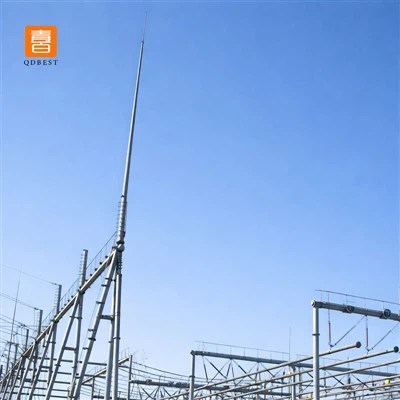
Demand for monopole steel tower facilities is growing in the telecommunications sector and other industries. Monopole steel towers serve as critical infrastructure to support various equipment including antennas, transmitters and receivers. Nevertheless, the installation and operation of such towers are subject to extensive regulatory requirements. This blog discusses the core regulatory considerations that both our company as the supplier and our clients need to understand.


1. Zoning and Land - Use Regulations
Zoning laws play a crucial role in determining where Monopole Steel Pipe Towers can be installed. Local governments use zoning regulations to manage land use, protect property values, and ensure the safety and well - being of the community.
In many areas, there are specific zones designated for telecommunications infrastructure. For example, industrial or commercial zones may be more likely to allow the construction of Monopole Steel Pipe Towers compared to residential areas. Before starting any project, it's essential to check with the local planning department to determine if the proposed location is zoned appropriately.
Some municipalities may also have setback requirements. These regulations specify the minimum distance that a tower must be set back from property lines, roads, and other structures. Setbacks are designed to prevent potential hazards such as falling tower debris and to protect the privacy and safety of neighboring properties.
2. Structural Design and Engineering Standards
The structural integrity of Monopole Steel Pipe Towers is of utmost importance. Regulatory bodies often require that these towers are designed and engineered to meet specific standards.
One of the most widely recognized standards is the American National Standards Institute (ANSI) and the Telecommunications Industry Association (TIA) standards. These standards cover various aspects of tower design, including load calculations, material selection, and fabrication methods.
Load calculations are crucial as they determine the forces that the tower must withstand. These forces include wind loads, seismic loads, and the weight of the equipment mounted on the tower. Engineers use sophisticated software and models to calculate these loads accurately. For instance, in areas prone to high - speed winds, the tower must be designed to resist the strong forces exerted by the wind.
Material selection is also strictly regulated. The steel used in Monopole Steel Pipe Towers must meet certain quality and strength requirements. Suppliers like us need to ensure that the steel we use is sourced from reputable manufacturers and has the necessary certifications.
3. Environmental Regulations
Environmental regulations are another significant aspect of Monopole Steel Pipe Tower projects. These regulations aim to protect the environment and wildlife during the construction and operation of the towers.
Before construction begins, an environmental impact assessment (EIA) may be required. The EIA evaluates the potential effects of the tower project on the environment, including impacts on air quality, water resources, and wildlife habitats. If the tower is located near a protected area or a wildlife corridor, additional mitigation measures may be necessary.
For example, if the construction site is near a wetland, measures may be taken to prevent soil erosion and water pollution. This could include installing sediment control barriers and minimizing the disturbance to the wetland area.
In addition, some environmental regulations may also address the issue of electromagnetic radiation. Although the levels of electromagnetic radiation emitted by Monopole Steel Pipe Towers are generally considered safe, regulatory bodies may require that the towers are installed at a certain distance from sensitive areas such as schools and hospitals to minimize any potential health risks.
4. Permitting and Licensing Requirements
Obtaining the necessary permits and licenses is a critical step in any Monopole Steel Pipe Tower project. There are typically multiple levels of permits required, including local, state, and sometimes federal permits.
At the local level, building permits are usually required. These permits ensure that the tower construction complies with local building codes and safety standards. The application process for a building permit typically involves submitting detailed plans and specifications of the tower, including its height, location, and structural design.
State permits may be required for issues such as environmental protection, radiofrequency emissions, and compliance with state - specific regulations. For example, some states have stricter regulations regarding the installation of telecommunications towers near historical sites or cultural landmarks.
In some cases, federal permits may also be necessary. For example, if the tower is located near an airport or in an area regulated by the Federal Aviation Administration (FAA), an FAA permit is required. The FAA ensures that the tower does not pose a hazard to aviation operations, and it may require the tower to be painted in specific colors and equipped with lighting for visibility.
5. Health and Safety Regulations
Health and safety regulations are fundamental in the construction and operation of Monopole Steel Pipe Towers. Workers involved in the installation and maintenance of these towers must follow strict safety protocols to prevent accidents and injuries.
Safety regulations cover areas such as fall protection, electrical safety, and the use of personal protective equipment (PPE). Workers who climb the towers must use appropriate fall - arrest systems, such as harnesses and lanyards. Electrical safety is also crucial, as the towers may be equipped with power - hungry equipment. Workers must be trained to handle electrical connections safely to prevent electrocution hazards.
In addition, the towers themselves must be designed and maintained to ensure the safety of the public. For example, there should be proper access controls to prevent unauthorized entry. The tower should also be regularly inspected for signs of damage, corrosion, or structural failures.
The Role of Our Company as a Supplier
As a Monopole Steel Pipe Tower supplier, we play an important role in ensuring our products comply with these regulatory requirements. We work closely with engineers and regulatory experts to ensure that our towers are designed and manufactured to meet the strictest standards.
We offer a variety of Monopole Steel Pipe Towers, including Steel Tubular Communication Tower, 3 Leg Steel Tube Pipe Tower, Monopole Steel Pipe Tower, Tubular Telecommunication Tower, and 5G Wifi Signal Monopole Tower. Each of these products is built with quality materials and engineered to withstand the rigors of different environments.
We also provide support to our customers during the permitting and installation process. Our team can assist in preparing the necessary documentation for regulatory approvals and provide advice on how to ensure compliance with local and national regulations.
Encouraging Contact for Purchase and Negotiation
If you're in the market for a high - quality Monopole Steel Pipe Tower, look no further. Our products are designed to meet the most demanding regulatory requirements while offering excellent performance and reliability. Whether you're a telecommunications company looking to expand your network or an enterprise in need of a reliable signal support structure, we have the right solution for you.
We understand that every project is unique, and we're committed to working with you to find the best - fit tower for your specific needs. Contact us to learn more about our products, pricing, and how we can assist you in navigating the complex regulatory landscape. We're eager to discuss your project and start a fruitful partnership.