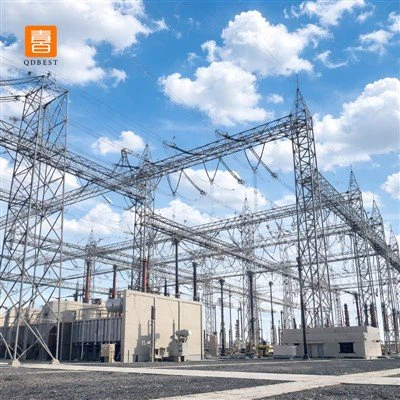
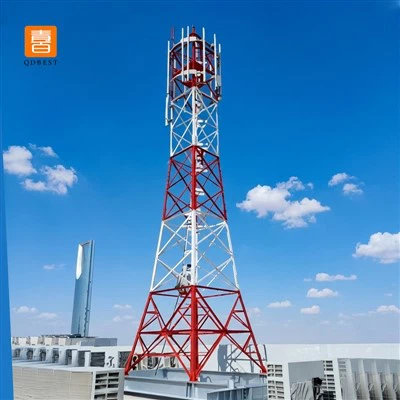
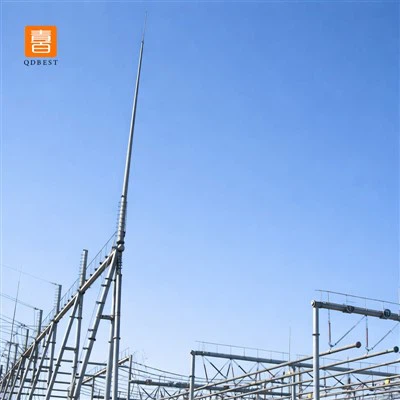
Optimizing the layout of a substation gantry structure is crucial for the efficient and safe operation of a substation. In this blog, I'll share some tips on how to optimize the layout of a substation gantry structure within a substation.


Understanding the Basics of Substation Gantry Structures
Before we dig into the optimization part, let's quickly go over what a substation gantry structure is. These structures are like the backbones of a substation. They hold up important equipment such as power lines, transformers, and switches. You can find out more about Substation Gantry Structure on our website.
The main functions of a substation gantry structure are to provide support, isolate electrical components, and ensure proper alignment of the equipment. Without a proper layout, these functions can be compromised, leading to inefficiencies and even safety issues.
Site Assessment
The first step in optimizing the layout of a substation gantry structure is to assess the site. You need to look at the size and shape of the substation area. If the space is limited, you'll have to get creative with your layout. Consider the topography as well. Is the land flat or hilly? A sloped site may require special foundation designs for the gantry structures.
Another important factor is the existing infrastructure. Are there any buildings, roads, or other structures nearby that could affect the installation and operation of the gantry? You also have to check for underground utilities. Hitting a gas line or a water pipe during construction can be a real headache.
Equipment Placement
Once you've assessed the site, it's time to focus on equipment placement. Different equipment has different requirements, and the gantry structure has to be designed accordingly. For example, transformers generate a lot of heat, so they need to be placed in an area with good ventilation.
Switches and circuit breakers should be easily accessible for maintenance and operation. You don't want your workers to have to climb all over the place just to reach a switch. Grouping similar equipment together can also make it easier to manage and maintain.
If you're interested in the different types of structures used in substations, check out our Substation Steel Structure page.
Clearance Requirements
Clearance is a big deal in substation design. Electrical equipment needs a certain amount of space around it to prevent arcing and other electrical problems. You have to follow the relevant safety standards when deciding on the clearances between different parts of the gantry structure and the equipment it supports.
For example, the clearance between power lines and other conductive objects has to be sufficient to avoid electrical interference. Clearances also play a role in protecting workers. If a worker accidentally gets too close to a live part, proper clearances can reduce the risk of electrical shock.
Flexibility for Future Expansion
A substation is not a static thing. As the demand for electricity grows, you may need to add more equipment or make changes to the existing setup. So, when you're designing the layout of the substation gantry structure, leave some room for future expansion.
This could mean designing the gantry so that it can be easily modified or extended. You might also want to consider the placement of new equipment in relation to the existing gantry. That way, you won't have to tear down the whole thing just to add a new transformer.
Accessibility for Maintenance
Maintenance is an ongoing task in a substation. If the gantry structure layout makes it difficult to access the equipment, you're going to run into problems. You need to ensure that there are clear paths for maintenance vehicles and personnel.
Ladders, platforms, and walkways should be designed in a way that makes it easy for workers to reach different parts of the gantry and the equipment. Consider the weight - bearing capacity of these access points as well. You don't want a platform to collapse under the weight of a maintenance worker and their tools.
Integration with Other Systems
A substation is made up of many different systems, such as the power distribution system, the control system, and the communication system. The gantry structure should be integrated with these systems in a seamless way.
For example, the gantry should provide support for the cables that connect different parts of the power distribution system. It should also allow for the installation of sensors and communication devices that are part of the control and communication systems. You can learn more about Power Distribution Substation and how the gantry fits into the overall picture on our website.
Aesthetics and Environmental Impact
While safety and functionality are the top priorities, aesthetics and environmental impact also matter. A well - designed substation gantry structure can blend in with the surrounding environment. This can be important, especially if the substation is located in a residential or commercial area.
You can use materials and finishes that are not only durable but also look good. And when it comes to the environment, consider using materials that are sustainable and have a low carbon footprint. For example, steel can be recycled, so it's a good choice for substation gantry structures. You can read more about Gantry Structures for Electrical Substations and their environmental aspects on our page.
Cost - Efficiency
Cost is always a factor in any project. When optimizing the layout of a substation gantry structure, you need to find a balance between quality and cost. You don't want to cut corners and end up with a structure that's not safe or reliable. But at the same time, you don't want to overspend on unnecessary features.
One way to be cost - efficient is to use standardized components whenever possible. Standardized parts are usually cheaper and easier to source. You can also work with your supplier to find the best materials and designs that fit your budget. And remember, a well - designed layout can save you money in the long run by reducing maintenance and operating costs.
Seismic and Wind Considerations
Depending on where the substation is located, you may need to take seismic and wind forces into account. In areas prone to earthquakes, the gantry structure has to be designed to withstand seismic activity. This may involve using special materials and construction techniques.
Similarly, in areas with high winds, the gantry needs to be strong enough to resist wind loads. You need to calculate the wind forces based on the local weather data and design the gantry structure accordingly. You can find more information about Power Substation Structures and how they are designed to handle different environmental conditions on our website.
Consult with Experts
Optimizing the layout of a substation gantry structure is a complex task. It's always a good idea to consult with experts in the field. Electrical engineers, structural engineers, and substation designers can provide valuable insights and advice.
At our company, we have a team of experienced professionals who can help you with every step of the process. Whether it's site assessment, equipment placement, or cost - efficiency analysis, we've got you covered.
Conclusion and Call to Action
In conclusion, optimizing the layout of a substation gantry structure is a multi - faceted process that involves careful planning, consideration of various factors, and collaboration with experts. A well - optimized layout can improve the efficiency, safety, and cost - effectiveness of your substation.
If you're interested in learning more about our Substation Gantry Structures or need help with optimizing your substation layout, don't hesitate to get in touch with us. We're here to provide you with the best solutions for your substation needs.