When it comes to setting up power substation structures in remote areas, several crucial installation requirements need to be considered.
Geographical and Environmental Considerations
Remote areas often have diverse geographical features and environmental conditions that can significantly impact the installation of power substation structures. First, the topography of the land plays a vital role. If the area has uneven terrain, proper grading and leveling are necessary before the installation begins. This may involve excavation work to create a stable foundation for the substation structures. For instance, in mountainous regions, extensive earth - moving operations might be required to flatten the site and ensure that the structures are installed on a solid base.


The soil composition is another critical factor. Different soil types, such as clay, sand, or rock, have varying load - bearing capacities. Soft or unstable soils may require additional foundation reinforcement techniques. For example, in areas with high clay content, the soil can expand and contract with changes in moisture levels, potentially causing settlement of the substation structures. In such cases, deep foundations like piles or caissons may be necessary to reach more stable soil layers and provide a reliable support system.
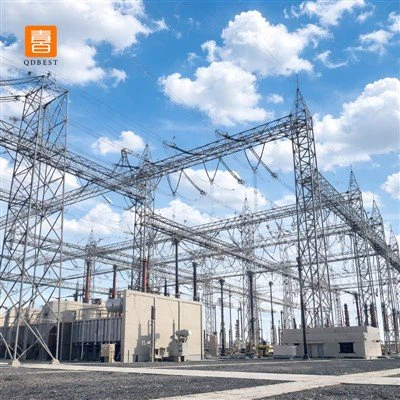
Climate is also a major consideration. Remote areas can experience extreme weather conditions, including heavy snowfall, strong winds, and high temperatures. In regions with high winds, the substation structures must be designed to withstand the wind forces. This may involve using stronger materials and more robust structural designs. For example, Gantry Structures for Electrical Substations need to have sufficient bracing and wind - resistant features. In areas prone to heavy snowfall, the structures should be designed to support the additional snow load without deformation or collapse. High - temperature regions may require materials that can withstand thermal expansion and contraction without losing their structural integrity.
Accessibility and Logistics
One of the most significant challenges in remote areas is accessibility. The lack of proper roads and transportation infrastructure can make it difficult to transport heavy substation equipment and materials to the installation site. This requires careful planning of the transportation routes and the use of appropriate vehicles. In some cases, specialized off - road vehicles or helicopters may be needed to transport critical components.
Logistics also play a crucial role. Adequate storage facilities need to be established at the site or in nearby accessible locations to store the materials and equipment before installation. This helps to protect the materials from damage due to weather conditions and ensures that they are readily available when needed. Additionally, a well - organized supply chain is essential to ensure a continuous flow of materials during the installation process. Delays in the supply of materials can significantly impact the project timeline and increase costs.
Electrical and Safety Requirements
The electrical requirements for power substation structures in remote areas are similar to those in more populated regions, but with some additional considerations. The substation must be designed to handle the expected electrical load and voltage levels. This involves proper sizing of the transformers, switchgear, and other electrical components.
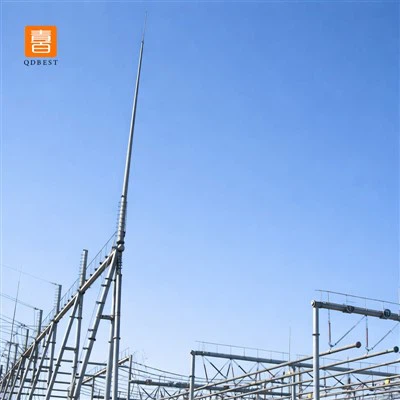
Safety is of utmost importance. The installation must comply with all relevant electrical safety standards and regulations. This includes proper grounding of the structures to prevent electrical shocks and the installation of safety barriers to protect workers and the public. In remote areas, access to emergency services may be limited, so the substation should be designed with built - in safety features to minimize the risk of electrical fires and other accidents. For example, fire - resistant materials should be used in the construction of the substation buildings, and automatic fire suppression systems may be required.
Communication and Monitoring
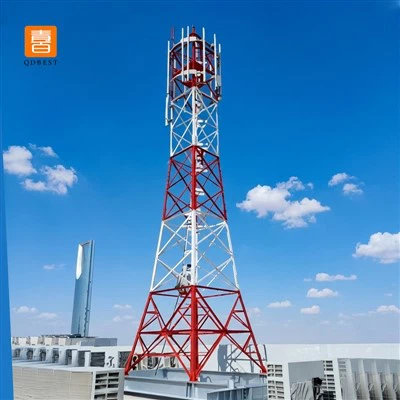
Effective communication and monitoring systems are essential for the proper functioning of power substation structures in remote areas. Since the substation may be located far from the control center, reliable communication links are required to transmit data on the electrical parameters, equipment status, and alarm signals. This can be achieved through a combination of wired and wireless communication technologies. For example, fiber - optic cables can provide high - speed and reliable data transmission, while wireless technologies like cellular networks or satellite communication can be used as backup or for remote monitoring points.
Remote monitoring systems allow for real - time monitoring of the substation's performance. This enables early detection of potential problems, such as equipment failures or abnormal electrical conditions, and allows for timely maintenance and repairs. Automated control systems can also be installed to remotely control the operation of the substation, reducing the need for on - site personnel.
Permits and Regulations
Obtaining the necessary permits and approvals from the local authorities is a crucial part of the installation process. In remote areas, the permitting process may be more complex due to the lack of established procedures and the need to comply with local environmental and land - use regulations. The supplier and the project team need to work closely with the local authorities to ensure that all the requirements are met. This may involve environmental impact assessments, land - use planning, and compliance with safety and electrical codes.
Quality of Materials and Equipment
As a Power Substation Structures supplier, I understand the importance of using high - quality materials and equipment. In remote areas, where maintenance and replacement may be more difficult and costly, the durability and reliability of the structures are crucial. Steel is a commonly used material for power substation structures due to its strength and durability. Substation Steel Structure should be fabricated to high standards, with proper corrosion protection to ensure a long service life.
The electrical equipment, such as transformers, switchgear, and circuit breakers, should also be of high quality and suitable for the specific operating conditions in the remote area. This includes equipment that is designed to withstand extreme temperatures, humidity, and other environmental factors.
Technical Expertise and Training
The installation of power substation structures in remote areas requires a high level of technical expertise. The installation team should be well - trained in handling the specialized equipment and following the specific installation procedures. They should also be familiar with the electrical and safety requirements.
In addition to the installation, the local workforce may need to be trained in the operation and maintenance of the substation. This helps to ensure the long - term reliability of the power supply and reduces the dependence on external technicians. Training programs can be provided on - site or through online courses to ensure that the local personnel have the necessary skills.
Integration with Existing Power Grid
If the remote area is connected to an existing power grid, the new substation structures need to be properly integrated. This involves coordinating with the grid operator to ensure that the electrical parameters are compatible and that the substation can operate safely and efficiently within the grid. The connection should be designed to allow for future expansion and changes in the power demand.
Conclusion
The installation of power substation structures in remote areas is a complex and challenging task that requires careful planning and consideration of various factors. From geographical and environmental conditions to electrical and safety requirements, every aspect needs to be addressed to ensure the successful installation and long - term operation of the substation.
As a leading supplier of Power Substation Structures, we have the experience and expertise to meet all the installation requirements in remote areas. Our commitment to quality, safety, and innovation enables us to provide customized solutions that are tailored to the specific needs of each project.
If you are interested in purchasing power substation structures for a remote area project, we invite you to contact us for a detailed consultation. Our team of experts will be happy to assist you in every step of the process, from design and material selection to installation and maintenance. Together, we can ensure a reliable and efficient power supply for your remote area.