How to design electrical structures for military facilities?
Military facilities demand electrical structures that are not only reliable but also resilient in the face of various challenges. As a professional Electrical Structure supplier, I have accumulated extensive experience in this field. In this blog, I will share some key considerations and steps for designing electrical structures for military facilities.
Understanding the Requirements
The first and most crucial step in designing electrical structures for military facilities is to understand the unique requirements. Military operations can be extremely complex, and the electrical systems need to support a wide range of equipment, from communication devices to high - tech weaponry.
Power Requirements
Military facilities often have high - power demands. Different areas within the facility, such as command centers, barracks, and storage areas, have different power needs. For example, command centers require a continuous and stable power supply to ensure the normal operation of communication and control systems. We need to accurately calculate the total power load, taking into account both the current and future expansion needs. This involves working closely with the military's engineering and operations teams to understand their equipment lists and usage patterns.
Environmental Conditions
Military facilities are located in diverse environments, including deserts, jungles, and coastal areas. Each environment presents its own challenges. In desert areas, high temperatures, sandstorms, and low humidity can affect the performance of electrical equipment. The structures need to be designed to withstand high - temperature stress and prevent the ingress of sand. In coastal areas, corrosion from saltwater is a major concern. We recommend the use of corrosion - resistant materials like Galvanized Substation Steel Structures in such environments to ensure the long - term durability of the electrical structures.
Security and Reliability
Security is of utmost importance in military facilities. The electrical structures need to be designed to prevent unauthorized access and protect against potential threats such as sabotage and electromagnetic interference (EMI). Redundancy is also a key factor in ensuring reliability. Backup power systems, such as generators and uninterruptible power supplies (UPS), should be incorporated into the design to ensure continuous operation in case of a main power outage.
Designing the Electrical Layout
Once the requirements are clearly understood, the next step is to design the electrical layout.
Substation Design
Power Distribution Substation is the heart of the electrical system in a military facility. The substation design should be optimized for efficiency and safety. The location of the substation should be carefully chosen to minimize the length of power transmission lines, reducing power losses. The layout of the substation equipment, including transformers, switchgear, and circuit breakers, should follow strict safety standards. For example, proper clearance distances should be maintained between different components to prevent electrical arcing and short - circuits.
Cabling and Wiring
The cabling and wiring system in a military facility need to be well - organized and protected. Different types of cables, such as power cables, control cables, and communication cables, should be separated to avoid interference. The cables should be installed in conduits or cable trays for protection against physical damage and environmental factors. In addition, the wiring should be labeled clearly to facilitate maintenance and troubleshooting.

Gantry Structures
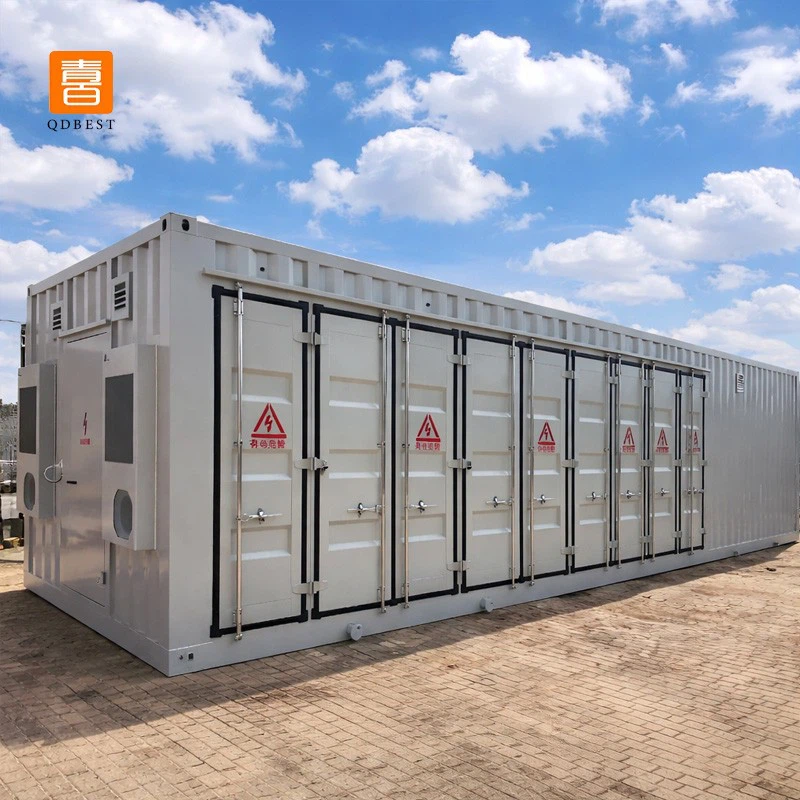
Substation Gantry Structure are often used in military facilities to support overhead power lines and equipment. The gantry structures need to be designed to withstand the weight of the equipment, wind loads, and seismic forces. The height and span of the gantry structures should be determined based on the specific requirements of the power distribution system. The materials used for gantry structures should have high strength and good corrosion resistance to ensure their long - term performance.
Selecting the Right Materials
The choice of materials is critical in designing electrical structures for military facilities.
Steel Structures
Steel is a popular choice for electrical structures due to its high strength, durability, and relatively low cost. For outdoor structures, galvanized steel can provide excellent corrosion resistance. The steel sections should be carefully selected based on the load - bearing requirements of the structure. For example, wide - flange steel beams are often used for gantry structures to support heavy overhead equipment.
Insulators and Conductors
Insulators play a vital role in preventing electrical leakage and ensuring the safety of the electrical system. High - quality insulators made of materials such as porcelain or composite polymers should be used. Conductors, such as copper or aluminum wires, should have low resistance to minimize power losses during transmission. The size and type of conductors should be determined based on the current - carrying capacity requirements.
Enclosures and Cabinets
Enclosures and cabinets are used to house electrical equipment and protect it from the environment and unauthorized access. They should be made of materials that are resistant to impact, corrosion, and fire. The enclosures should have proper ventilation to prevent overheating of the equipment inside.
Incorporating Advanced Technologies
In today's digital age, advanced technologies can be incorporated into the design of electrical structures for military facilities.
Smart Grid Technologies
Smart grid technologies can improve the efficiency and reliability of the electrical system. For example, smart meters can be installed to monitor power consumption in real - time, allowing for better load management. Remote monitoring and control systems can also be used to quickly diagnose and troubleshoot electrical problems, reducing downtime.
Renewable Energy Integration
With the increasing emphasis on sustainability, renewable energy sources such as solar and wind power can be integrated into the electrical system of military facilities. Solar panels can be installed on rooftops or in open areas to generate electricity, reducing the reliance on traditional power sources. Energy storage systems, such as batteries, can be used to store the excess energy generated by renewable sources for use during peak demand or in case of a power outage.
Quality Assurance and Testing
Before the electrical structures are installed in military facilities, strict quality assurance and testing procedures should be carried out.
Material Testing
All the materials used in the construction of electrical structures should be tested to ensure their compliance with relevant standards. For example, steel materials should be tested for their mechanical properties, such as yield strength and tensile strength. Insulators should be tested for their electrical insulation properties.
Structural Testing
The completed electrical structures should be subjected to structural testing to ensure their ability to withstand the expected loads. This may include load testing of gantry structures and seismic testing in areas prone to earthquakes.
Electrical Testing
The electrical system should be thoroughly tested to ensure its proper operation. This includes testing of the power distribution system, protection devices, and control circuits. Functional testing should also be carried out to verify that the electrical system can support the normal operation of all military equipment.
Conclusion
Designing electrical structures for military facilities is a complex and challenging task that requires a comprehensive understanding of the requirements, careful design, selection of the right materials, incorporation of advanced technologies, and strict quality assurance. As an Electrical Structure supplier, we are committed to providing high - quality solutions that meet the unique needs of military facilities.
If you are in need of electrical structures for military facilities or want to discuss your specific requirements, we invite you to contact us for procurement and further discussions. Our team of experts is ready to assist you in designing and implementing the most suitable electrical structure solutions.