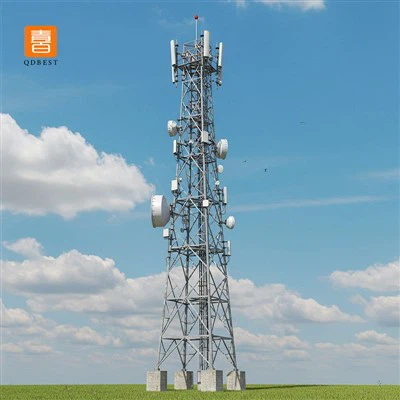
This blog shares insights into the communication network management requirements for steel tube communication towers, and discusses how to efficiently carry out communication network management during the application of such towers.
Understanding the Basics of Steel Tubular Communication Towers
Before diving into the management requirements, let's briefly touch on what steel tubular communication towers are. These towers come in various forms, such as the Triangular Self Supporting Communication Steel Tubular Tower, Monopole Steel Pipe Tower, and Galvanized Outdoor Steel Wifi Tower. They are designed to support communication equipment like antennas, transmitters, and receivers, enabling the transmission and reception of signals for various communication services, including mobile, radio, and Wi-Fi.
Network Planning and Design
One of the first steps in communication network management for steel tubular communication towers is proper planning and design. This involves determining the optimal location for the tower, considering factors like signal coverage, terrain, and proximity to existing infrastructure. The tower's height, orientation, and the number of antennas it can support are also crucial aspects of the design.
For example, if you're setting up a mobile network, you need to ensure that the tower can cover a wide area with a strong signal. This might require a taller tower or multiple antennas at different heights. On the other hand, for a Wi-Fi network, you might focus more on local coverage and the ability to handle a large number of connected devices.


Equipment Installation and Configuration
Once the tower is in place, the next step is to install and configure the communication equipment. This includes antennas, transmitters, receivers, and other related devices. It's important to ensure that the equipment is installed correctly and configured to work together seamlessly.
For instance, the antennas need to be properly aligned to maximize signal strength and coverage. The transmitters and receivers need to be set up with the right frequencies and power levels to ensure reliable communication. Regular maintenance and testing of the equipment are also essential to keep the network running smoothly.
Monitoring and Maintenance
Monitoring and maintenance are key aspects of communication network management. You need to keep an eye on the performance of the network, including signal strength, bandwidth, and the number of connected devices. This can be done using monitoring tools and software that provide real-time data on the network's status.
Regular maintenance of the tower and its equipment is also crucial. This includes checking for any physical damage, such as corrosion or structural issues, and performing routine repairs and upgrades. By keeping the tower and its equipment in good condition, you can ensure the long-term reliability of the communication network.
Security and Safety
Security and safety are of utmost importance when it comes to communication network management. The tower and its equipment need to be protected from unauthorized access, vandalism, and natural disasters. This can be achieved through measures like fencing, security cameras, and lightning protection systems.
In addition, safety protocols need to be in place for the installation, maintenance, and operation of the tower. Workers need to be trained on how to work safely at height and handle the equipment properly. Regular safety inspections should also be conducted to identify and address any potential hazards.
Regulatory Compliance
Communication networks are subject to various regulations and standards. As a supplier of steel tubular communication towers, it's important to ensure that the towers and the communication equipment meet all the relevant regulatory requirements. This includes compliance with local building codes, environmental regulations, and communication standards.
For example, the tower needs to be designed and built to withstand the local weather conditions, such as wind and seismic activity. The communication equipment needs to operate within the approved frequency bands and meet the required emission standards.
Scalability and Future Expansion
As the demand for communication services grows, it's important to design the communication network with scalability in mind. This means that the tower and its equipment should be able to handle an increasing number of users and devices without significant performance degradation.
For example, you might need to plan for the addition of more antennas or the upgrade of the existing equipment in the future. By designing the network with scalability in mind, you can ensure that it can adapt to the changing needs of the users and the industry.
Cost Management
Cost management is an important aspect of communication network management. You need to balance the cost of the tower, the equipment, and the maintenance with the benefits of the communication network. This includes considering factors like the initial investment, the operating costs, and the potential revenue from the communication services.
For example, you might need to compare different types of towers and equipment to find the most cost-effective solution. You also need to consider the long-term costs of maintenance and upgrades. By managing the costs effectively, you can ensure that the communication network is both reliable and profitable.
Conclusion
In conclusion, managing a communication network for a steel tubular communication tower requires careful planning, installation, monitoring, and maintenance. It's important to consider factors like network planning and design, equipment installation and configuration, monitoring and maintenance, security and safety, regulatory compliance, scalability, and cost management.
If you're interested in learning more about our steel tubular communication towers or have any questions about communication network management, please feel free to contact us for a procurement discussion. We're here to help you find the best solution for your communication needs.