


This blog post explores whether rooftop communication towers can be applied in the field of military communications.
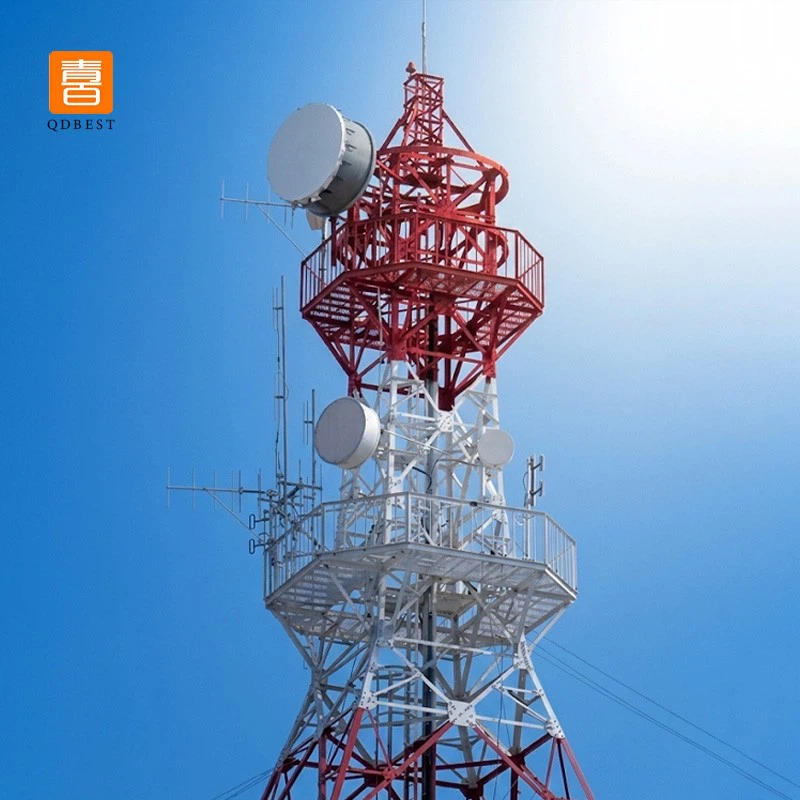
First off, let's talk about what a roof-top telecommunication tower is. It's a structure that's usually installed on the rooftops of buildings. These towers are designed to support various communication equipment, like antennas for mobile phones, Wi-Fi, and other wireless communication services. They're pretty common in urban areas, helping to boost signal strength and coverage. You can check out more about A Roof-top Telecommunication Tower on our website.
Now, the big question: Can it be used for military communication? Well, the short answer is yes, but it's not that simple.
Advantages of Using Roof-top Telecommunication Towers for Military Communication
1. Strategic Placement
Roof-top towers are often located in urban areas. This can be a huge advantage for the military. In modern warfare, a lot of operations take place in cities. Having a communication tower on a rooftop can provide a good vantage point for signal transmission and reception. It can help military units communicate with each other, even in the midst of a complex urban environment. For example, if a military team is conducting a mission in a city, they can use the rooftop tower to send and receive vital information, like the location of enemy forces or the status of their own troops.
2. Cost - Effective
Building a dedicated military communication tower from scratch can be really expensive. Using existing roof-top telecommunication towers can be a cost - effective alternative. The infrastructure is already in place, and with some modifications, it can be adapted for military use. This saves a lot of money and time that would otherwise be spent on construction and installation.
3. Quick Deployment
In a military situation, time is of the essence. Roof-top telecommunication towers can be quickly adapted for military communication. Since they are already installed on rooftops, all that's needed is to install the appropriate military communication equipment. This can be done in a relatively short period compared to building a new tower.
Challenges of Using Roof-top Telecommunication Towers for Military Communication
1. Security Concerns
One of the biggest challenges is security. These towers are usually part of the civilian communication network. If they are used for military communication, there's a risk of the communication being intercepted by the enemy. The military needs to ensure that the communication channels are secure, which may require additional encryption and security measures.

2. Compatibility Issues
Military communication systems often have specific requirements and standards. The existing equipment on the roof-top towers may not be compatible with these military systems. For example, the frequency bands used by the military may be different from those used by civilian communication. So, there may be a need to install new equipment or modify the existing ones to make them compatible.
3. Maintenance and Reliability
The civilian communication towers are maintained according to civilian standards. The military has much higher requirements for reliability and maintenance. In a military operation, a breakdown in communication can have serious consequences. So, the towers need to be maintained to a much higher standard to ensure continuous and reliable communication.
Modifications for Military Use
If a roof-top telecommunication tower is to be used for military communication, some modifications are necessary.
1. Equipment Upgrade
The existing communication equipment on the tower may need to be upgraded. This could include installing military - grade antennas, transceivers, and other communication devices. These devices are designed to operate in a more harsh and demanding environment and are more secure.
2. Security Enhancements
As mentioned earlier, security is a major concern. The tower needs to be equipped with advanced encryption systems to protect the military communication from being intercepted. This may involve installing firewalls, intrusion detection systems, and other security measures.
3. Redundancy
To ensure reliability, redundancy systems need to be installed. This means having backup power sources, backup communication channels, and backup equipment. In case of a failure in one system, the backup can take over and maintain the communication.
Our Products and Solutions
As a supplier of A Roof-top Telecommunication Tower, we also offer other related products like Telecom Lattice Tower and Telecom Angle Steel Tower. We have the expertise and experience to help you with the modification and adaptation of these towers for military communication.
If you're in the military or involved in a project that requires military communication solutions, we'd love to have a chat with you. We can provide customized solutions based on your specific needs. Whether it's upgrading the equipment, enhancing security, or ensuring reliability, we've got you covered.
In conclusion, a roof-top telecommunication tower can definitely be used for military communication, but it comes with its own set of challenges. With the right modifications and solutions, these challenges can be overcome. So, if you're interested in exploring this option, don't hesitate to reach out to us. We're here to help you make the most of these towers for your military communication needs.


