In the rapidly evolving field of power infrastructure, the adoption of modular power facilities has brought about a disruptive transformation. This blog takes an in-depth look at the core advantages of modular power facilities and how they will fundamentally reshape the construction model of power projects.
1. Flexibility and Customization
One of the most significant advantages of modular electrical structures is their flexibility. Unlike traditional fixed - design electrical systems, modular structures can be easily adapted to meet the specific needs of a project. Whether it's a small - scale residential installation or a large - scale industrial power plant, modular systems can be tailored to fit the exact requirements.
For instance, in a commercial building project, the electrical needs may vary depending on the type of business operations. A modular electrical structure allows for easy reconfiguration of circuits, distribution panels, and other components. This means that as the business grows or changes its operations, the electrical system can be adjusted without the need for a complete overhaul.
Moreover, modular structures offer a wide range of customization options. We can choose from different sizes, shapes, and materials to create a structure that not only meets the functional requirements but also blends well with the overall design of the project. This flexibility is particularly beneficial in projects where aesthetics play an important role, such as in modern office buildings or public spaces.
2. Reduced Installation Time
Time is of the essence in any construction project, and modular electrical structures can significantly reduce the installation time. Since the components are pre - fabricated in a controlled factory environment, they can be quickly assembled on - site. This eliminates the need for extensive on - site construction, which can be time - consuming and subject to weather conditions.

For example, in a power substation project, traditional construction methods may take months to complete. However, with modular electrical structures, the installation can be completed in a fraction of the time. The pre - fabricated components can be delivered to the site and assembled in a matter of weeks, allowing the project to be operational much faster. This not only saves time but also reduces the overall project cost by minimizing labor and equipment rental expenses.
3. Cost - Effectiveness
Modular electrical structures offer significant cost savings in several ways. Firstly, the pre - fabrication process in a factory setting allows for better quality control and economies of scale. This means that the cost of producing individual components is lower compared to on - site construction. Additionally, the reduced installation time translates into lower labor costs.
Secondly, modular structures are designed to be energy - efficient. They can incorporate the latest technologies in electrical distribution, such as smart meters and energy management systems. These technologies help to optimize energy consumption, reducing the long - term operating costs of the electrical system.
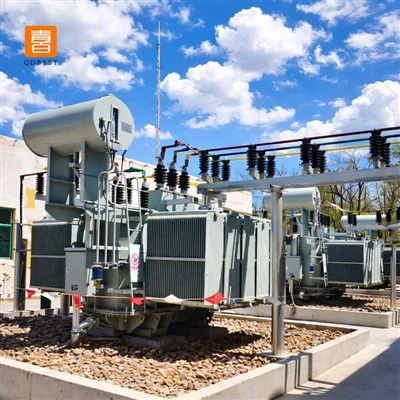
For example, in a Power Distribution Substation, the use of modular structures can lead to significant savings in energy consumption. The modular design allows for better integration of renewable energy sources, such as solar panels and wind turbines, further reducing the reliance on traditional power sources and lowering the overall cost of electricity.
4. Improved Quality and Reliability
Quality control is a crucial aspect of any electrical project. Modular electrical structures are manufactured in a controlled factory environment, where strict quality standards are followed. This ensures that each component meets the highest quality requirements.
The use of standardized components also enhances the reliability of the electrical system. Since the components are designed to work together seamlessly, the risk of system failures is significantly reduced. In addition, modular structures are easier to maintain and repair. If a component fails, it can be easily replaced without disrupting the entire system.
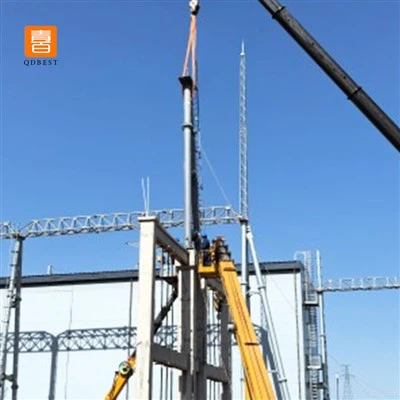
For instance, in a Substation Steel Structure, the modular design allows for quick and easy access to all components. This makes it easier to perform routine maintenance and inspections, ensuring the long - term reliability of the substation.
5. Scalability
As businesses grow and expand, their electrical needs also increase. Modular electrical structures offer excellent scalability, allowing for easy expansion of the electrical system. New modules can be added to the existing structure without the need for major modifications.
This scalability is particularly beneficial in industries such as data centers, where the demand for electrical power is constantly increasing. A modular electrical system can be easily upgraded to meet the growing power requirements, ensuring that the data center can continue to operate efficiently.
6. Environmental Sustainability
In today's world, environmental sustainability is a top priority. Modular electrical structures contribute to a more sustainable future in several ways. Firstly, the pre - fabrication process in a factory reduces waste and energy consumption compared to on - site construction. Secondly, the energy - efficient design of modular structures helps to reduce the carbon footprint of the electrical system.
For example, in a Power Substation Structures, the use of modular design can incorporate energy - saving technologies such as LED lighting and smart power management systems. These technologies not only reduce energy consumption but also contribute to a cleaner environment.
Conclusion
In conclusion, the advantages of using modular electrical structures are numerous and far - reaching. From flexibility and customization to cost - effectiveness, improved quality, scalability, and environmental sustainability, modular systems offer a comprehensive solution for modern electrical projects.
As a supplier of Electrical Structures, we are committed to providing high - quality modular solutions that meet the diverse needs of our customers. If you are considering an electrical project, whether it's a small - scale installation or a large - scale industrial development, we invite you to contact us for a consultation. Our team of experts will work with you to design and implement a modular electrical structure that is tailored to your specific requirements.