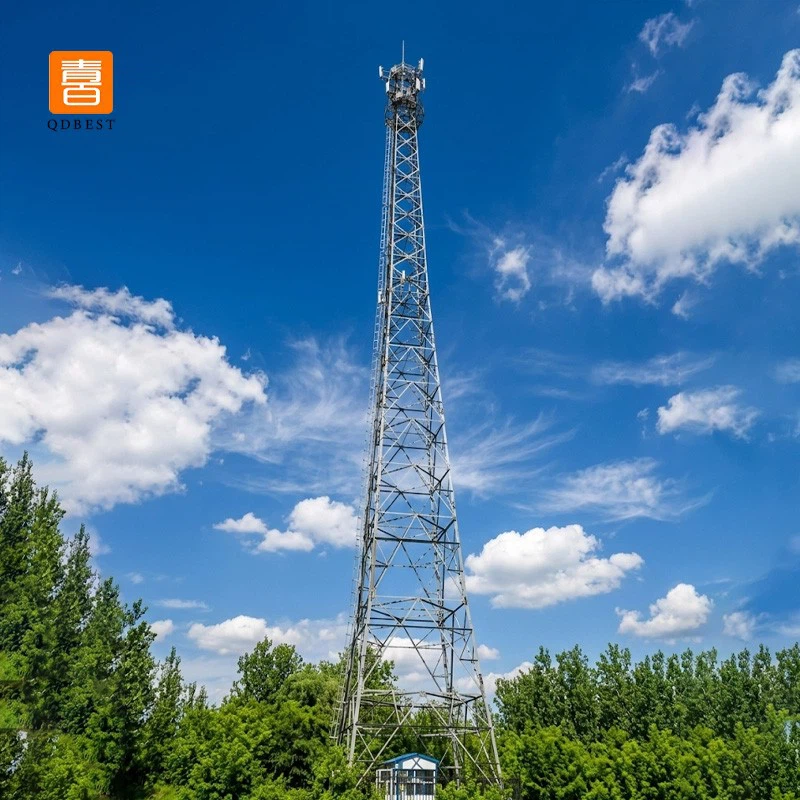
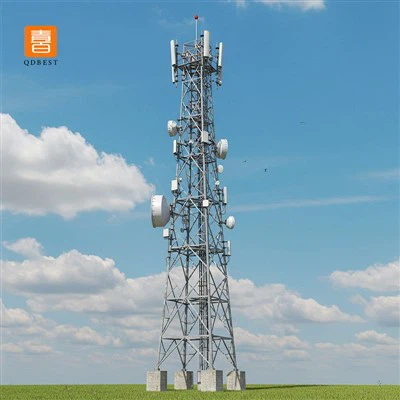
Electrical grounding is a critical aspect of any telecommunication tower, including angle steel telecommunication towers. In this blog post, I will discuss the electrical grounding requirements for an angle steel telecommunication tower, covering the key aspects such as the purpose of grounding, grounding system components, and the standards and regulations that govern grounding practices.
The Purpose of Electrical Grounding
The primary purpose of electrical grounding in a telecommunication tower is to protect the tower, its equipment, and the personnel working around it from electrical hazards. Grounding provides a low - resistance path for electrical currents to flow safely into the earth. This is crucial in several scenarios:
- Lightning Protection: Lightning strikes can deliver extremely high - energy electrical currents. A well - grounded tower can divert the lightning current safely into the ground, preventing damage to the tower structure, antennas, and communication equipment. Without proper grounding, a lightning strike could cause fires, equipment failures, and even endanger human lives.
- Fault Current Protection: In the event of an electrical fault, such as a short - circuit in the tower's electrical system, grounding provides a path for the fault current to flow. This helps to trip the circuit breakers or fuses, isolating the faulty part of the system and preventing further damage.
- Static Electricity Discharge: Telecommunication towers can accumulate static electricity due to factors like wind, dust, and the movement of air around the antennas. Grounding allows the static charges to dissipate safely, reducing the risk of electrostatic discharge that could damage sensitive electronic equipment.
Components of an Electrical Grounding System for Angle Steel Telecommunication Towers
A typical electrical grounding system for an angle steel telecommunication tower consists of the following components:
-
Ground Electrodes: These are the conductors that are buried in the ground to establish a connection between the tower and the earth. Common types of ground electrodes used in telecommunication towers include:
- Ground Rods: These are usually made of copper - coated steel or solid copper. They are driven vertically into the ground to a depth of several meters. Multiple ground rods are often used in parallel to reduce the overall grounding resistance.
- Ground Plates: Ground plates are flat metal plates, typically made of copper or galvanized steel, that are buried horizontally in the ground. They provide a larger surface area for contact with the soil, which helps to lower the grounding resistance.
- Ground Rings: A ground ring is a continuous loop of conductor that is buried around the base of the tower. It encircles the tower and provides a uniform grounding connection.
-
Grounding Conductors: These are the wires or cables that connect the tower structure and the electrical equipment to the ground electrodes. The grounding conductors should be made of a material with low electrical resistance, such as copper or aluminum. They need to be of sufficient size to carry the expected electrical currents without overheating.
-
Bonding: Bonding is the process of connecting all metal parts of the tower, including the angle steel structure, antennas, and equipment enclosures, together. This ensures that all parts are at the same electrical potential, reducing the risk of electrical shock and preventing the formation of electrical arcs between different metal components.
Standards and Regulations for Electrical Grounding
There are several national and international standards and regulations that govern the electrical grounding requirements for telecommunication towers. These standards are designed to ensure the safety and reliability of the grounding systems. Some of the key standards include:
- National Electrical Code (NEC): In the United States, the NEC provides guidelines for electrical grounding in various types of structures, including telecommunication towers. It specifies the minimum requirements for ground electrodes, grounding conductors, and bonding.
- International Electrotechnical Commission (IEC) Standards: The IEC has developed a series of standards related to electrical safety and grounding. These standards are widely used around the world and provide detailed requirements for the design, installation, and maintenance of grounding systems.
- Telecommunication Industry Standards: Many telecommunication industry associations have also developed their own standards for grounding in telecommunication towers. These standards often take into account the specific requirements of the telecommunication equipment and the operating environment.
Design Considerations for Grounding Systems
When designing a grounding system for an angle steel telecommunication tower, several factors need to be considered:
- Soil Resistivity: The resistivity of the soil at the tower site is a crucial factor in determining the effectiveness of the grounding system. Soils with high resistivity, such as dry sand or rocky soil, require more extensive grounding systems to achieve a low grounding resistance. Soil resistivity can be measured using specialized equipment, and the results can be used to design the appropriate grounding system.
- Tower Height and Configuration: The height and configuration of the tower can affect the grounding requirements. Taller towers are more likely to be struck by lightning, and they may require more extensive grounding systems. The layout of the angle steel structure also needs to be considered to ensure proper bonding and grounding of all metal components.
- Electrical Load and Equipment: The electrical load of the tower, including the power requirements of the communication equipment, antennas, and lighting systems, needs to be taken into account. The grounding system should be designed to handle the maximum fault current that could occur in the event of an electrical fault.
Installation and Maintenance of Grounding Systems
Proper installation and maintenance of the grounding system are essential to ensure its effectiveness. During installation, the ground electrodes should be installed at the correct depth and spacing, and the grounding conductors should be properly connected and secured. The bonding of all metal components should be checked to ensure that there are no loose connections.
Regular maintenance of the grounding system is also required. This includes periodic inspections of the ground electrodes, grounding conductors, and bonding connections. The grounding resistance should be measured at regular intervals to ensure that it remains within the acceptable limits. If the grounding resistance increases over time, it may indicate a problem with the grounding system, such as corrosion of the ground electrodes or a loose connection.
Our Angle Steel Telecommunication Towers
At our company, we offer a wide range of Communication Angle Steel Tower and Telecom Angle Steel Tower that are designed to meet the highest standards of safety and reliability. Our 25M Galvanized Angle Steel Microwave Communication Tower is a popular choice for many telecommunication applications. We ensure that all our towers are equipped with proper grounding systems that comply with the relevant standards and regulations.
If you are in the market for an angle steel telecommunication tower, we invite you to contact us for a detailed discussion about your requirements. Our team of experts can provide you with customized solutions and help you choose the right tower and grounding system for your project. Whether you are setting up a new telecommunication network or upgrading an existing one, we are here to assist you every step of the way.