This blog covers all details regarding the transportation of steel structures for substations, including various challenges and corresponding requirements encountered when transporting these heavy components from the factory to project sites.
Understanding the Basics
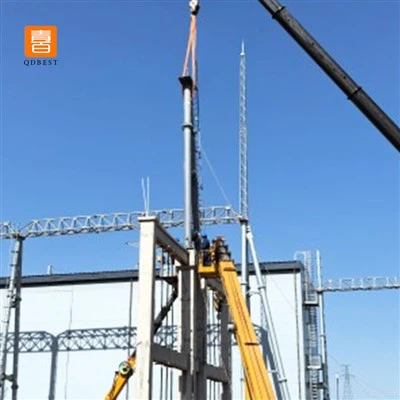
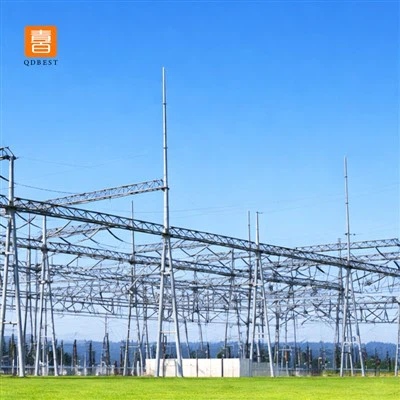
First off, substation steel structures are no joke. They're heavy, bulky, and often quite large. Whether it's a Galvanized Substation Steel Structures or a Substation Gantry Structure, each piece requires special care during transportation.
One of the primary requirements is proper sizing of the transport vehicle. Trucks, trailers, or even ships need to be selected based on the dimensions and weight of the steel structures. For smaller components, a standard flatbed truck might do the trick. But for larger gantries or complex Electrical Structure assemblies, we're talking about specialized heavy - haul trailers. These trailers are designed to distribute the weight evenly and handle the long and wide loads that substation steel structures often present.
Weight Considerations
Weight is a huge deal when it comes to transporting substation steel. Every state and country has strict regulations regarding the maximum weight a vehicle can carry on public roads. Exceeding these limits can result in hefty fines and delays. So, before we even load up the structures, we have to do some serious math. We calculate the weight of each piece, including any additional fixtures or coatings.
For example, a Substation Steel Structure that's been galvanized will weigh more than an untreated one. We also have to account for the weight of any packaging materials used to protect the structures during transit. Once we have the total weight, we can select the appropriate transport method and ensure that we're within the legal limits.
Securing the Load
Securing the substation steel structures is crucial. You don't want these heavy pieces shifting or falling off the vehicle during transport. We use a variety of techniques to keep everything in place. Straps, chains, and brackets are commonly used to tie down the structures to the trailer.
For larger structures, we might use custom - made cradles or supports to hold them in position. These cradles are designed to fit the specific shape of the steel components, providing maximum stability. We also double - check the security of the load at every stage of the journey, especially after any stops or changes in the route.
Protection from the Elements
Substation steel structures are exposed to the elements during transportation. Rain, snow, wind, and even sunlight can cause damage to the steel. To prevent this, we use protective coatings and coverings.
Galvanized steel is a popular choice as it already has a protective zinc layer that resists corrosion. But for extra protection, we might use tarps or shrink - wrap to cover the structures. This not only protects them from moisture but also from debris and scratches.
Route Planning
Route planning is another important aspect of transporting substation steel structures. We need to consider factors like road conditions, bridge clearances, and traffic patterns. Some roads may not be suitable for heavy - haul vehicles due to their weight limits or narrow lanes.
We also have to account for any low bridges or overpasses that could pose a problem for tall structures. Using mapping tools and local knowledge, we plan the most efficient and safe route for the transport. This may involve taking detours or avoiding certain areas during peak traffic hours.
Special Permits
In many cases, transporting substation steel structures requires special permits. These permits are issued by local authorities and are necessary for oversized or overweight loads. The process of obtaining these permits can be time - consuming and complex.
We have to submit detailed information about the load, including its dimensions, weight, and the planned route. The authorities will then review the application and may impose certain conditions, such as escort vehicles or specific travel times. As a supplier, we take care of all these permit - related tasks to ensure a smooth transportation process.
Handling Fragile Components
Some substation steel structures may have fragile components, such as electrical insulators or control panels. These need to be handled with extreme care during transportation. We use shock - absorbing materials and custom - designed packaging to protect these components from vibrations and impacts.
We also label these fragile parts clearly so that the transport crew knows to handle them gently. During loading and unloading, we make sure to use the right equipment, such as forklifts or cranes, to avoid any damage.
Coordination with the Project Site
Once the substation steel structures are on their way, we need to coordinate closely with the project site. We provide them with regular updates on the estimated time of arrival and any potential delays.
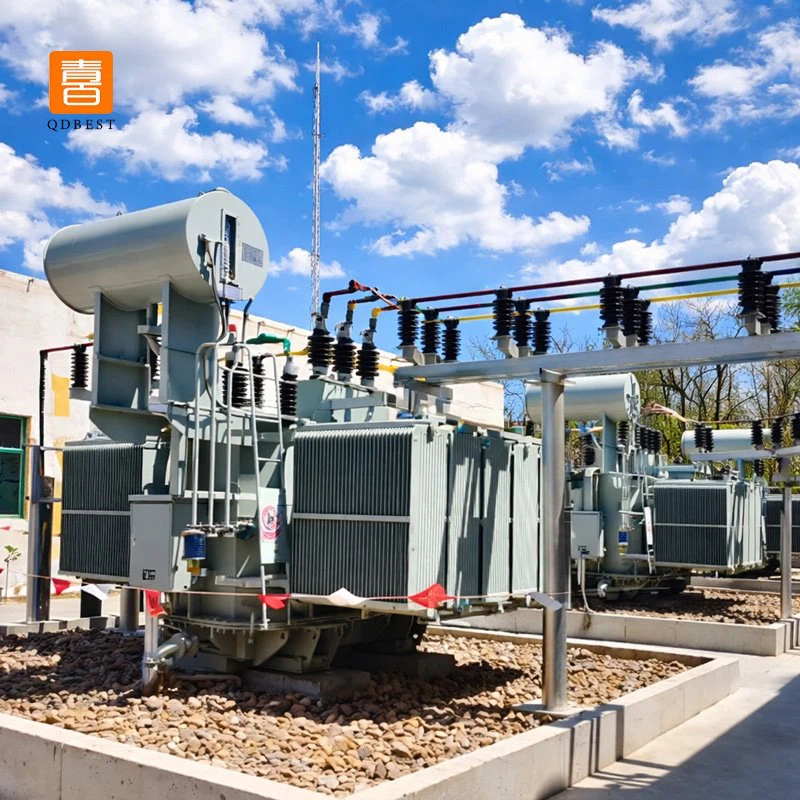

The project site needs to be prepared for the arrival of the structures. This includes having the necessary equipment, such as cranes and forklifts, ready for unloading. We also need to ensure that there is enough space at the site to store the structures safely until they are installed.
Cost Considerations
Transportation costs are a significant factor in the overall cost of substation steel structures. The cost depends on several factors, including the distance of the transport, the weight and size of the structures, and the type of transport vehicle required.
For long - distance transports or international shipments, the cost can be quite high. We work with our customers to find the most cost - effective transportation solutions without compromising on the safety and quality of the structures.
Contact for Purchase and Consultation
If you're in the market for substation steel structures and want to learn more about our transportation capabilities, feel free to reach out. We're here to answer all your questions and help you with your project. Whether it's a small Power Distribution Substation or a large - scale industrial project, we've got the experience and expertise to deliver top - quality structures safely to your site.