Many customers have inquired about the impacts of steel tube towers on wild animals. This is a crucial topic, and this blog post will elaborate on relevant details for everyone.
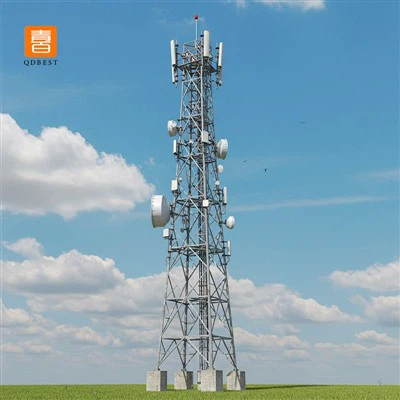
Let's start with the basics. Tubular towers come in all shapes and sizes, and they're used for a variety of purposes, like telecommunications, power transmission, and even wind energy. Some of the popular types of tubular towers we offer include the 5G Wifi Signal Monopole Tower, Tubular Telecommunication Tower, Galvanized Outdoor Steel Wifi Tower, Steel Tubular Communication Tower, and 3 Leg Steel Tube Pipe Tower.
Now, when it comes to the impact on wildlife, there are a few different aspects to consider. First off, there's the physical presence of the tower. These structures can take up a fair amount of space, and they might disrupt the natural habitat of animals. For example, if a tower is built in a forested area, it could destroy the homes of birds, squirrels, and other critters that live in the trees. This displacement can lead to a decrease in the local population of these species, as they may have a hard time finding new places to live and food to eat.
But it's not just about the land. Tubular towers can also have an impact on flying animals, like birds and bats. The tall, vertical structure of the tower can be a hazard for these creatures. Birds, in particular, might collide with the tower, especially during migration or at night when visibility is low. These collisions can be fatal, and they can have a significant impact on bird populations. Bats are also at risk. Some studies have shown that the electromagnetic fields generated by the towers can interfere with their navigation systems, making it harder for them to find their way around.
Another concern is the noise and light pollution that can come with tubular towers. The equipment on the towers, like generators and communication devices, can produce a lot of noise. This noise can be stressful for wildlife, especially those that are sensitive to sound. It can disrupt their normal behavior, like feeding, mating, and sleeping. Light pollution is also an issue. The bright lights on the towers can disorient nocturnal animals, like owls and bats, and can even affect the migration patterns of birds.
However, it's not all bad news. There are also some positive impacts that tubular towers can have on wildlife. For example, the towers can provide new habitats for certain species. Some birds, like raptors, might use the towers as nesting sites. The platforms and cross - arms on the towers can offer a stable place for them to build their nests and raise their young. Additionally, the presence of the towers can sometimes create micro - habitats. The shade and shelter provided by the tower can attract small insects and other invertebrates, which in turn can be a food source for larger animals.
So, what can we do to minimize the negative impacts of tubular towers on wildlife? Well, one of the first steps is to carefully choose the location of the tower. We should try to avoid building towers in areas that are critical habitats for endangered species. Before construction begins, a thorough environmental assessment should be done to identify any potential risks to wildlife.
Another important measure is to use bird - friendly designs. For example, we can add markers or reflectors to the towers to make them more visible to birds. These markers can help reduce the risk of collisions. We can also design the towers in a way that minimizes the amount of noise and light pollution. Using quiet equipment and shielding the lights can go a long way in protecting wildlife.
As a tubular tower supplier, we're committed to being environmentally responsible. We work closely with environmental experts to ensure that our towers are designed and installed in a way that minimizes their impact on wildlife. We also offer a range of products that are designed with wildlife in mind.
If you're in the market for a tubular tower, whether it's for telecommunications, power, or something else, we'd love to talk to you. We can help you choose the right tower for your needs while also taking into account the impact on the environment. Feel free to reach out to us to start a conversation about your project.
In conclusion, while tubular towers can have both positive and negative impacts on wildlife, with careful planning and design, we can minimize the negative effects and even create some benefits for the local ecosystem. It's all about finding that balance between our need for these structures and the well - being of the wildlife around us.