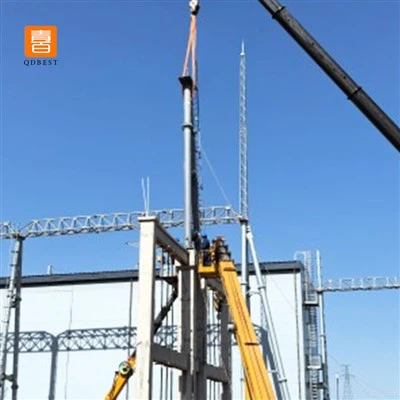
When it comes to the telecommunications industry, lattice telecommunication towers play a pivotal role in ensuring seamless communication. As a prominent lattice telecommunication tower supplier, I often encounter inquiries about the lifespan of these essential structures. Understanding the lifespan of a lattice telecommunication tower is crucial for network providers, property owners, and various stakeholders in the telecommunications ecosystem.
Factors Affecting the Lifespan of Lattice Telecommunication Towers
The lifespan of a lattice telecommunication tower is influenced by a multitude of factors, each playing a significant role in determining how long the tower will remain operational and structurally sound.
Material Quality
The materials used in the construction of a lattice telecommunication tower are fundamental to its longevity. High - grade steel, such as galvanized steel, is commonly employed due to its excellent resistance to corrosion. Galvanization involves applying a protective zinc coating to the steel, which acts as a sacrificial layer, preventing rust and deterioration. For example, our 60M Angle Steel Gsm Microwave Telecom Tower is crafted from premium galvanized angle steel, offering enhanced durability and protection against environmental elements.
In contrast, if sub - standard materials are used, the tower is more likely to experience premature corrosion, which can weaken the structure over time. Corrosion can lead to a reduction in the cross - sectional area of the steel members, decreasing their load - carrying capacity and potentially compromising the overall stability of the tower.
Environmental Conditions
The environment in which a lattice telecommunication tower is located has a profound impact on its lifespan. Towers situated in coastal areas are exposed to high levels of saltwater, which accelerates the corrosion process. Salt particles in the air can cling to the tower's surface, creating a corrosive environment that can cause significant damage if not properly addressed.


Similarly, towers in industrial areas may be exposed to pollutants, such as sulfur dioxide and nitrogen oxides, which can also contribute to corrosion. On the other hand, towers in regions with extreme weather conditions, such as high winds, heavy snowfall, or intense sunlight, may experience additional stress on their structures. For instance, strong winds can exert significant lateral forces on the tower, requiring it to be designed and built to withstand such loads.
Maintenance and Inspection
Regular maintenance and inspection are essential for extending the lifespan of a lattice telecommunication tower. Maintenance activities may include cleaning the tower to remove dirt, debris, and corrosive substances, as well as checking for signs of damage or wear. Inspections should be carried out by qualified professionals who can assess the structural integrity of the tower, identify any potential issues, and recommend appropriate repairs or upgrades.
A well - maintained tower is more likely to remain in service for a longer period. For example, timely replacement of damaged components, such as bolts or braces, can prevent minor issues from escalating into major structural problems. Our team of experts can provide comprehensive maintenance and inspection services for our lattice telecommunication towers, ensuring they continue to operate safely and efficiently.
Typical Lifespan
Under normal circumstances, a well - designed, constructed, and maintained lattice telecommunication tower can have a lifespan of 30 to 50 years. However, this is a general estimate, and the actual lifespan can vary significantly depending on the factors mentioned above.
If a tower is built using high - quality materials, is located in a relatively benign environment, and is subjected to regular maintenance and inspection, it may even exceed the 50 - year mark. Conversely, towers that are constructed with inferior materials, are exposed to harsh environmental conditions, and lack proper maintenance may have a much shorter lifespan, perhaps only 15 to 20 years.
The Role of Design in Lifespan
The design of a lattice telecommunication tower also plays a crucial role in determining its lifespan. A well - engineered design will take into account the expected loads, including wind, snow, and seismic forces, as well as the environmental conditions at the tower's location.
For example, our Four - legged Lattice Tower is designed with a robust four - legged structure, which provides increased stability and resistance to lateral forces. The design also incorporates appropriate safety factors to ensure that the tower can withstand unexpected events.
In addition, the design should allow for easy access for maintenance and inspection. Towers that are difficult to access or have complex components may be more challenging to maintain, which can ultimately affect their lifespan.
Case Studies
Let's look at a couple of case studies to illustrate the impact of various factors on the lifespan of lattice telecommunication towers.
Case Study 1: Coastal Tower
A lattice telecommunication tower was installed in a coastal area without adequate corrosion protection measures. The tower was constructed using standard steel without proper galvanization. Over time, the salt - laden air caused significant corrosion of the steel members. Within 10 years, the tower showed signs of structural weakness, and it was deemed unsafe for continued use. This case highlights the importance of using corrosion - resistant materials in coastal environments.
Case Study 2: Well - Maintained Tower
Another tower, located in a suburban area, was constructed using high - quality galvanized steel and was subjected to regular maintenance and inspection. The tower was designed to withstand local wind and snow loads. After 40 years of operation, the tower was still in excellent condition, and only minor repairs were required. This case demonstrates the positive impact of proper material selection, design, and maintenance on the lifespan of a lattice telecommunication tower.
Our Product Range and Quality Assurance
As a lattice telecommunication tower supplier, we offer a wide range of products to meet the diverse needs of our customers. Our 25M Galvanized Angle Steel Microwave Communication Tower is a popular choice for many applications, providing reliable support for microwave communication equipment.
We are committed to quality assurance at every stage of the production process. From the selection of raw materials to the final installation, we adhere to strict quality control standards. Our towers are designed and manufactured in accordance with international standards, ensuring their safety and reliability.
Conclusion and Call to Action
In conclusion, the lifespan of a lattice telecommunication tower is determined by a combination of factors, including material quality, environmental conditions, maintenance, and design. By choosing high - quality materials, ensuring proper maintenance and inspection, and selecting a well - designed tower, you can maximize the lifespan of your telecommunication infrastructure.
If you are considering purchasing a lattice telecommunication tower or need more information about our products and services, we encourage you to reach out to us for a detailed consultation. Our team of experts is ready to assist you in finding the right solution for your telecommunications needs. Let's work together to build a reliable and long - lasting communication network.