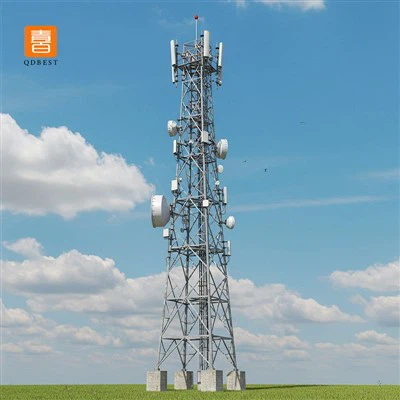
Numerous customers frequently enquire whether lattice communication towers can be deployed in forested areas. Given the unique set of challenges associated with building infrastructure within woodlands, this is a highly reasonable concern. This blog article will elaborate on the suitability of lattice communication towers for forest environments, outline their respective advantages and disadvantages, and cover all key factors that need to be evaluated prior to finalizing a selection decision.
Can a Telecom Lattice Tower Be Used in Forested Areas?
The short answer is yes, a telecom lattice tower can be used in forested areas. However, it's not as straightforward as setting up a tower in an open field. There are several factors to consider, such as the terrain, the density of the forest, and the impact on the environment.
One of the main advantages of using a telecom lattice tower in a forested area is that it can provide better coverage compared to other types of towers. The lattice design allows for a higher antenna height, which can improve signal strength and reach. This is especially important in areas where the terrain is hilly or mountainous, as the tower can help overcome obstacles and provide a more reliable connection.

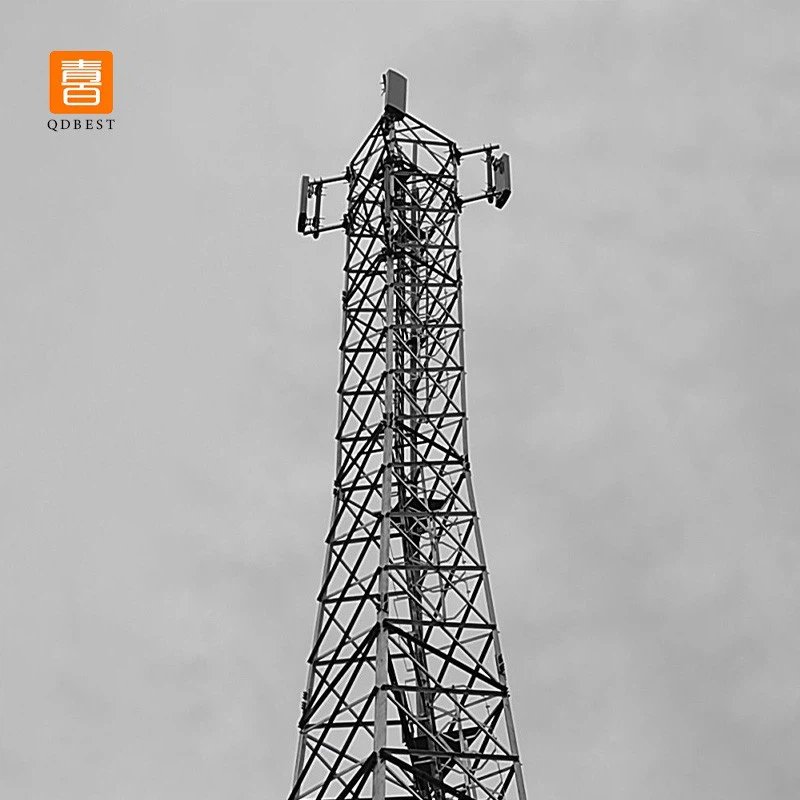
Another advantage is that telecom lattice towers are relatively easy to install. They can be prefabricated off-site and then assembled on location, which can save time and reduce the impact on the environment. Additionally, the lattice design is lightweight and requires less foundation work compared to other types of towers, which can be beneficial in areas with soft or unstable soil.
However, there are also some challenges associated with using a telecom lattice tower in a forested area. One of the main challenges is the impact on the environment. Clearing the forest to make way for the tower can have a significant impact on the ecosystem, including the loss of habitat for wildlife and the disruption of natural processes. Additionally, the tower can pose a risk to birds and other wildlife, as they may collide with the structure.
Another challenge is the maintenance of the tower. Forested areas can be difficult to access, which can make it challenging to perform regular maintenance and repairs. Additionally, the tower may be exposed to harsh weather conditions, such as high winds and heavy snow, which can cause damage to the structure.
Pros and Cons of Using a Telecom Lattice Tower in Forested Areas
Pros
- Better coverage: As mentioned earlier, the lattice design allows for a higher antenna height, which can improve signal strength and reach.
- Easy installation: Telecom lattice towers can be prefabricated off-site and then assembled on location, which can save time and reduce the impact on the environment.
- Lightweight: The lattice design is lightweight and requires less foundation work compared to other types of towers, which can be beneficial in areas with soft or unstable soil.
Cons
- Environmental impact: Clearing the forest to make way for the tower can have a significant impact on the ecosystem, including the loss of habitat for wildlife and the disruption of natural processes.
- Risk to wildlife: The tower can pose a risk to birds and other wildlife, as they may collide with the structure.
- Maintenance challenges: Forested areas can be difficult to access, which can make it challenging to perform regular maintenance and repairs.
What You Need to Consider Before Using a Telecom Lattice Tower in Forested Areas
Before using a telecom lattice tower in a forested area, there are several factors to consider. These include:
- Environmental impact: It's important to assess the impact of the tower on the environment and take steps to minimize it. This may include using techniques such as selective clearing and reforestation to reduce the impact on the ecosystem.
- Wildlife protection: The tower can pose a risk to birds and other wildlife, so it's important to take steps to protect them. This may include using bird-friendly designs and installing warning devices to reduce the risk of collisions.
- Maintenance and access: Forested areas can be difficult to access, so it's important to consider the maintenance requirements of the tower and ensure that it can be easily accessed for repairs and maintenance.
- Regulatory requirements: There may be regulatory requirements that need to be met before installing a telecom lattice tower in a forested area. It's important to research these requirements and ensure that you comply with them.
Types of Telecom Lattice Towers Suitable for Forested Areas
There are several types of telecom lattice towers that are suitable for forested areas. These include:
- Lattice Telecommunication Tower: This type of tower is designed to provide high-performance communication services in a variety of environments, including forested areas. It features a lattice design that allows for a higher antenna height and better signal strength.
- Telecom Angle Steel Tower: This type of tower is made of angle steel and is designed to be lightweight and easy to install. It's suitable for use in areas with soft or unstable soil and can provide reliable communication services in forested areas.
- 35M Telecom 4-Legged Galvanized Angular Steel Towers: This type of tower is designed to be tall and sturdy, making it suitable for use in areas with high winds and heavy snow. It features a four-legged design that provides stability and can support a variety of antennas.
- Telecom Lattice Tower: This type of tower is similar to the Lattice Telecommunication Tower but is designed to be more cost-effective. It features a lattice design that allows for a higher antenna height and better signal strength.
- Four-legged Lattice Tower: This type of tower is designed to be stable and reliable, making it suitable for use in areas with high winds and heavy snow. It features a four-legged design that provides stability and can support a variety of antennas.
Conclusion
In conclusion, a telecom lattice tower can be used in forested areas, but it's important to consider the unique challenges that come with setting up infrastructure in a forest environment. By assessing the environmental impact, protecting wildlife, considering maintenance and access, and complying with regulatory requirements, you can ensure that the tower is installed and operated in a responsible and sustainable manner.
If you're interested in learning more about our Telecom Lattice Towers and how they can be used in forested areas, please contact us to discuss your specific needs and requirements. We're here to help you find the right solution for your communication needs.