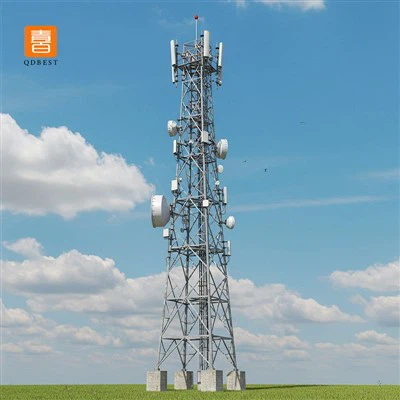
This blog post introduces the relevant requirements for electromagnetic shielding of substation gantry structures.
First off, let's talk about why electromagnetic shielding is so important in substations. Substations are places where a whole bunch of electrical equipment is concentrated. This equipment generates electromagnetic fields (EMFs), which can have various effects. For one, strong EMFs can interfere with the normal operation of nearby electronic devices. Think about all the sensitive control systems and communication equipment in and around a substation. If they're exposed to excessive EMFs, they might malfunction, leading to power outages or other serious issues.
Another reason is human health. Although the scientific community is still studying the long - term effects of EMFs on humans, there's a general consensus that high - level exposure might not be good. So, proper electromagnetic shielding in substation structures helps protect the workers in the substation and the people living or working nearby.
Now, let's get into the specific requirements.
Regulatory Requirements
Different countries and regions have their own sets of regulations regarding electromagnetic shielding in substations. For example, in the United States, the Federal Communications Commission (FCC) has rules about the maximum allowable levels of electromagnetic radiation. These rules are designed to protect both the public and the normal operation of electronic devices.
In Europe, the International Commission on Non - Ionizing Radiation Protection (ICNIRP) sets guidelines. These guidelines take into account the frequency of the electromagnetic fields, the duration of exposure, and the intensity of the fields. Substation structures need to be designed and built in a way that complies with these regulations.
Shielding Materials
The choice of shielding materials is crucial. One of the most commonly used materials is steel. Steel has good electrical conductivity, which allows it to absorb and redirect electromagnetic waves. As a Substation Steel Structure supplier, I can tell you that steel structures are very effective in reducing the intensity of EMFs.
Copper is another excellent material for electromagnetic shielding. It has high electrical conductivity and can be used in the form of sheets or meshes. Copper meshes are often used to line the walls of control rooms in substations to protect the sensitive equipment inside.
Aluminum is also a popular choice. It's lightweight and has good corrosion resistance. Aluminum shielding can be used in various parts of the substation, such as enclosures for transformers.
Design Considerations
When designing substation structures for electromagnetic shielding, several factors need to be considered.
Layout
The layout of the substation plays a big role. The equipment should be arranged in a way that minimizes the exposure of sensitive areas to strong EMFs. For example, control rooms should be located as far away as possible from high - voltage equipment.
Grounding
Proper grounding is essential for effective electromagnetic shielding. A well - grounded substation structure can help dissipate the electromagnetic energy safely into the ground. All the metallic components of the substation, including the shielding materials, need to be properly grounded.
Sealing
To prevent the leakage of electromagnetic waves, the substation structures need to be well - sealed. Any gaps or openings in the structure can allow EMFs to escape. This means that doors, windows, and ventilation openings need to be designed with electromagnetic shielding in mind.
Types of Substation Structures and Their Shielding Needs
Power Distribution Substation
A Power Distribution Substation is responsible for distributing electrical power to consumers. These substations usually have a lower voltage compared to transmission substations. However, they still generate EMFs that need to be shielded.
In a power distribution substation, the shielding requirements are focused on protecting the control equipment and the nearby environment. The substation structure should be designed to reduce the EMF levels to within the regulatory limits.
Substation Gantry Structure
A Substation Gantry Structure is used to support high - voltage conductors. These structures are often exposed to strong EMFs due to the high - voltage power passing through the conductors.

The gantry structure itself needs to be made of materials that can withstand the electromagnetic forces and also act as a shield. The design should ensure that the EMFs are contained within a safe range, both for the structure itself and for the surrounding area.
Testing and Verification
Once the substation structure is built, it's important to test and verify its electromagnetic shielding effectiveness. There are various testing methods available, such as using EMF meters to measure the electromagnetic field strength at different points in and around the substation.
If the measured EMF levels are higher than the regulatory limits, additional shielding measures may need to be taken. This could involve adding more shielding materials or modifying the structure.
How We Can Help
As a substation structures supplier, we understand the importance of electromagnetic shielding. We have a team of experts who can design and build substation structures that meet all the necessary electromagnetic shielding requirements.
Our Substation Steel Structure is made of high - quality steel that provides excellent electromagnetic shielding. We also offer customized solutions based on your specific needs. Whether you need a Power Distribution Substation or a Substation Gantry Structure, we've got you covered.
If you're in the market for substation structures and want to ensure that they meet the electromagnetic shielding requirements, don't hesitate to reach out. We're here to help you with all your substation structure needs. Let's have a chat about how we can work together to create the perfect substation for you.