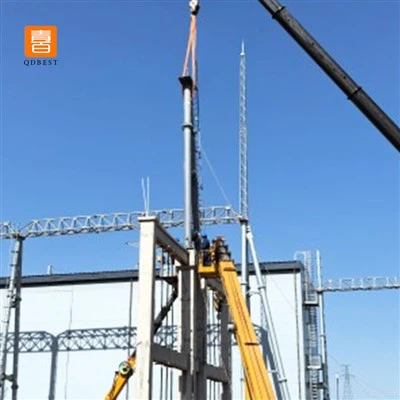
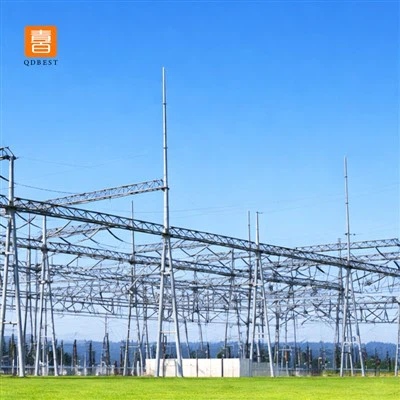
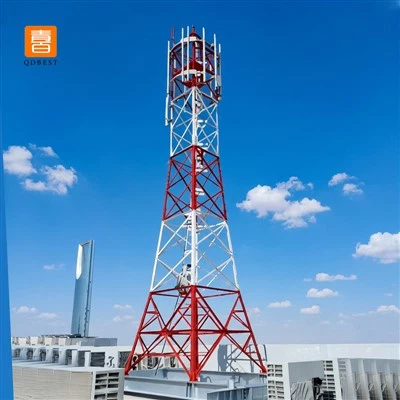
Seismic design levels for substation steel structures are crucial aspects that need to be carefully considered in the construction and operation of power substations.

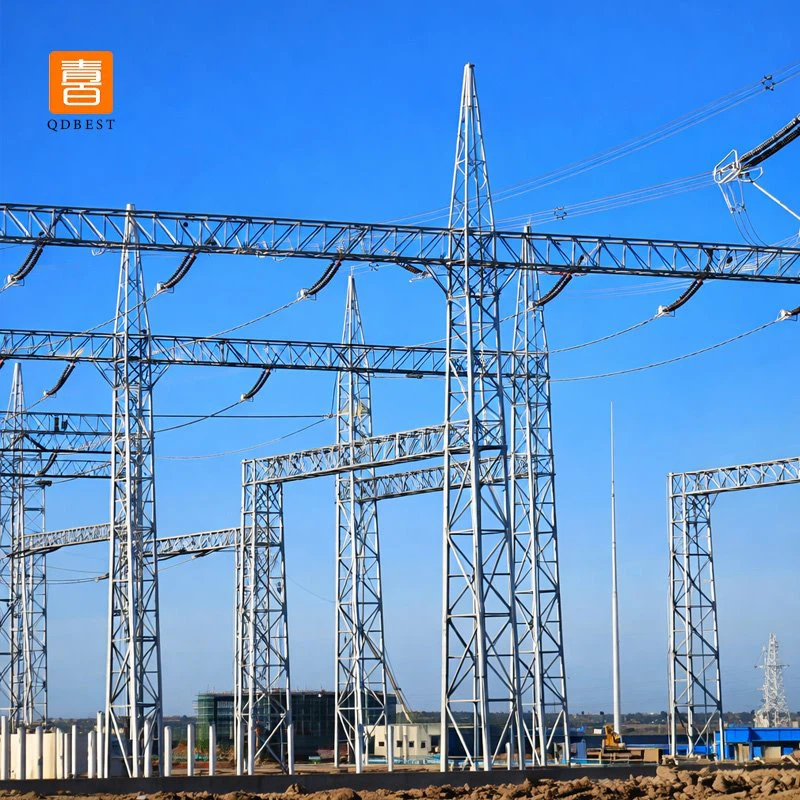
Understanding Seismic Design
Seismic design refers to the process of designing structures to withstand the forces generated by earthquakes. In the context of substation steel structures, this involves determining the appropriate level of seismic resistance based on the location of the substation, the type of structure, and the potential impact of an earthquake on the power system.
The first step in seismic design is to assess the seismic hazard of the site. This is typically done by analyzing historical earthquake data, geological surveys, and other relevant information to determine the probability of an earthquake occurring and the potential magnitude of the earthquake. Based on this assessment, the site is assigned a seismic zone, which is a classification that indicates the level of seismic activity in the area.
Seismic Design Levels
There are generally three seismic design levels for substation steel structures:
1. Operating Basis Earthquake (OBE)
The Operating Basis Earthquake (OBE) is the design level that represents the maximum earthquake that a substation is expected to experience during its design life without significant damage. The OBE is typically defined as an earthquake with a relatively low probability of occurrence, such as a 10% probability of exceedance in 50 years.
At the OBE level, substation steel structures are designed to remain operational after an earthquake. This means that the structures should be able to withstand the seismic forces without collapsing or suffering major structural damage, and the electrical equipment housed within the structures should continue to function properly.
2. Safety Evaluation Earthquake (SEE)
The Safety Evaluation Earthquake (SEE) is a more severe design level than the OBE. The SEE represents a more extreme earthquake scenario, with a lower probability of occurrence, such as a 2% probability of exceedance in 50 years.
At the SEE level, the primary goal is to prevent the total collapse of the substation steel structures and to ensure the safety of personnel and the surrounding environment. While some damage to the structures may occur, it should be limited to a level that does not compromise the overall safety of the substation.
3. Maximum Considered Earthquake (MCE)
The Maximum Considered Earthquake (MCE) is the most severe design level. It represents the maximum earthquake that is considered possible at a particular site based on the available geological and seismic data. The MCE has an extremely low probability of occurrence, but it is important to design substation steel structures to withstand this level of earthquake to ensure the long - term safety and resilience of the power system.
At the MCE level, substation steel structures are designed to have sufficient ductility and energy - dissipation capacity to absorb the large seismic forces generated by the earthquake. Although significant damage may occur, the structures should not collapse in a sudden and catastrophic manner.
Importance of Seismic Design Levels for Substation Steel Structures
1. Ensuring Power System Reliability
Power substations are critical components of the electrical grid. A seismic event that causes damage to substation structures can disrupt power supply, leading to widespread outages and economic losses. By designing substation steel structures to appropriate seismic design levels, we can minimize the risk of damage during an earthquake and ensure the continuous operation of the power system.
For example, if a substation experiences an earthquake that exceeds its seismic design level, the gantry structures Gantry Structures for Electrical Substations that support the electrical conductors may collapse, causing short - circuits and power disruptions. Proper seismic design can prevent such scenarios.
2. Protecting Personnel and Equipment
Substation facilities house a large amount of expensive electrical equipment and are often staffed by workers. Seismic - resistant design of steel structures helps protect personnel from injury during an earthquake and safeguards the valuable equipment from damage. This reduces the cost of repair and replacement and ensures the safety of those working in or around the substation.
3. Meeting Regulatory Requirements
Many countries have strict building codes and regulations regarding seismic design. Substation owners and operators are required to comply with these regulations to obtain the necessary permits for construction and operation. As a Substation Steel Structure Substation Steel Structure supplier, we ensure that our products meet or exceed these regulatory requirements.
Design Considerations for Seismic - Resistant Substation Steel Structures
1. Structural Configuration
The configuration of the substation steel structure plays a crucial role in its seismic performance. Structures with a regular and symmetric layout tend to perform better during an earthquake than those with irregular shapes. For example, a Substation Gantry Structure with a simple and symmetric design can distribute the seismic forces more evenly, reducing the risk of local stress concentrations and structural failure.
2. Material Selection
The choice of steel material is also important. High - strength steels with good ductility are often preferred for seismic - resistant design. These steels can deform plastically under seismic loading, absorbing energy and preventing sudden collapse. Additionally, the quality of the steel and the welding processes used in fabrication must meet strict standards to ensure the structural integrity of the substation.
3. Connection Design
The connections between different components of the substation steel structure are critical areas that need to be carefully designed. Strong and ductile connections can transfer the seismic forces effectively between members and prevent the premature failure of the structure. For example, bolted connections are often used in substation steel structures because they can provide some degree of flexibility and energy dissipation during an earthquake.
Our Role as a Substation Steel Structure Supplier
As a Substation Steel Structure supplier, we are committed to providing high - quality seismic - resistant structures. We work closely with our clients to understand their specific needs and the seismic requirements of the project site. Our engineering team uses the latest design software and techniques to ensure that our structures are designed to the appropriate seismic design levels.
We offer a wide range of substation steel structures, including Power Distribution Substation and Power Substation Structures. Our products are fabricated in state - of - the - art facilities using advanced manufacturing processes to ensure consistent quality and performance.
Contact Us for Substation Steel Structure Procurement
If you are in need of high - quality substation steel structures that are designed to meet the appropriate seismic design levels, we invite you to contact us for procurement and further discussions. We have the expertise and experience to provide you with the best solutions for your substation project.