In the realm of electrical power systems, power substations play a pivotal role in ensuring the efficient and reliable distribution of electricity. At the heart of these substations are busbars, which act as the central conductors for collecting and distributing electrical power. The proper support of busbars is crucial for the safe and stable operation of power substations. In this blog post, we will delve into the various ways in which power substation structures support busbars.
1. Structural Design and Load - Bearing Capacity
Power substation structures are engineered with meticulous attention to detail to support the weight and electrical forces associated with busbars. The design process begins with a comprehensive analysis of the busbar layout, including the number, size, and configuration of the busbars. This information is used to determine the loads that the supporting structures will need to withstand.
Our Power Substation Structures are designed to meet or exceed industry standards for load - bearing capacity. We use advanced engineering software to model different load scenarios, such as dead loads (the weight of the busbars and associated equipment), live loads (dynamic forces due to wind, seismic activity, and electrical short - circuits), and thermal loads (expansion and contraction of the busbars due to temperature changes).
For instance, in areas prone to high - wind conditions, our structures are designed with aerodynamic shapes to reduce wind resistance and prevent excessive sway. In seismic zones, we incorporate flexible connections and damping mechanisms to absorb seismic energy and protect the busbars from damage.
2. Types of Support Structures
Gantry Structures
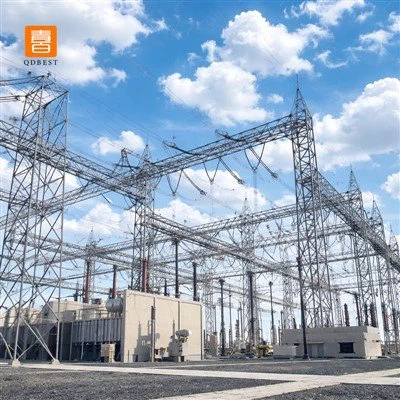
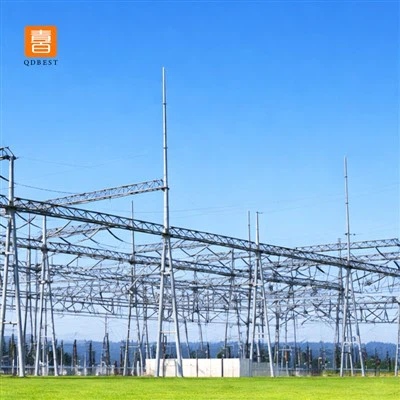
Gantry structures are one of the most common types of support structures for busbars in power substations. These structures consist of horizontal beams supported by vertical columns, creating a framework that can span large distances. Gantry Structures for Electrical Substations provide a stable platform for mounting busbars at elevated heights, which helps to improve safety and accessibility.
Gantry structures can be designed in various configurations, such as single - span or multi - span, depending on the specific requirements of the substation. They can also be customized to accommodate different types of busbars, including rectangular, tubular, and circular busbars. The use of gantry structures allows for easy maintenance and inspection of the busbars, as workers can access the busbars from platforms or walkways attached to the gantry.
Galvanized Substation Steel Structures
Galvanized substation steel structures are another popular choice for supporting busbars. The galvanization process involves coating the steel with a layer of zinc, which provides excellent corrosion resistance. Galvanized Substation Steel Structures are durable and can withstand harsh environmental conditions, making them suitable for use in both outdoor and indoor substations.
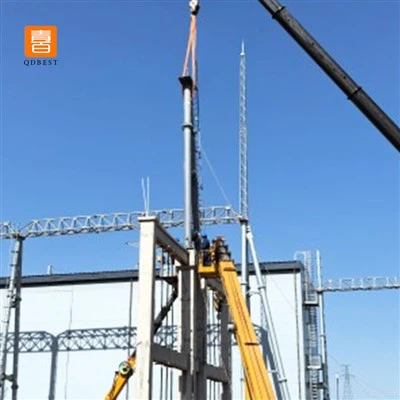
Steel structures can be fabricated into various shapes and sizes to meet the specific needs of the busbar support system. They can be bolted or welded together, providing a rigid and stable support for the busbars. Additionally, steel structures can be pre - fabricated off - site and then assembled on - site, which helps to reduce construction time and costs.
Substation Gantry Structure
The Substation Gantry Structure has unique features that make it ideal for supporting busbars. These structures are designed to provide a clear span between the columns, which minimizes the obstruction of the electrical equipment below. The height of the gantry can be adjusted to accommodate different voltage levels and clearance requirements.
Substation gantry structures can also be equipped with additional features, such as cable trays, lighting fixtures, and access ladders. These features enhance the functionality of the substation and make it easier to manage and maintain the electrical system.
3. Electrical Insulation and Clearance
In addition to providing physical support, power substation structures must also ensure proper electrical insulation and clearance for the busbars. Electrical insulation is crucial to prevent electrical arcing and short - circuits, which can cause damage to the equipment and disrupt the power supply.
Our Electrical Structure designs incorporate appropriate insulation materials and techniques to maintain the required electrical clearances between the busbars and the supporting structures. For example, insulating spacers are used to separate the busbars from the metal components of the structure, and insulating coatings can be applied to the surfaces of the structure to reduce the risk of electrical conduction.
The design of the support structures also takes into account the minimum clearance requirements specified by electrical safety standards. These clearances ensure that workers can safely access the busbars for maintenance and inspection without being exposed to electrical hazards.
4. Thermal Management
Busbars generate heat during normal operation due to the flow of electrical current. Excessive heat can cause the busbars to expand, which may lead to mechanical stress on the supporting structures and affect the electrical performance of the busbars. Therefore, thermal management is an important aspect of busbar support.
Power substation structures are designed to allow for proper ventilation and heat dissipation. For example, gantry structures can be designed with open - grid floors or ventilation slots to promote air circulation around the busbars. In addition, the materials used in the construction of the support structures are selected for their thermal properties, such as low thermal conductivity, to minimize heat transfer from the busbars to the structure.
5. Maintenance and Monitoring
Proper maintenance and monitoring of power substation structures are essential to ensure the long - term reliability of busbar support. Our company provides comprehensive maintenance services for our Power Substation Structures, including regular inspections, cleaning, and repair.
We also offer advanced monitoring systems that can detect early signs of structural damage or deterioration. These systems use sensors to measure parameters such as strain, vibration, and temperature, and transmit the data to a central control station for analysis. By monitoring the condition of the support structures, we can identify potential problems before they become serious and take proactive measures to prevent failures.
Conclusion
In conclusion, power substation structures play a vital role in supporting busbars in electrical power systems. Through careful design, selection of appropriate materials, and implementation of proper insulation and thermal management techniques, our Power Substation Structures provide reliable and safe support for busbars.
We understand that every power substation project is unique, and we are committed to working closely with our clients to provide customized solutions that meet their specific needs. Whether you are building a new substation or upgrading an existing one, we have the expertise and experience to deliver high - quality support structures for your busbars.
If you are interested in learning more about our products and services or would like to discuss your power substation project, please feel free to contact us. We look forward to the opportunity to work with you and contribute to the success of your electrical power system.