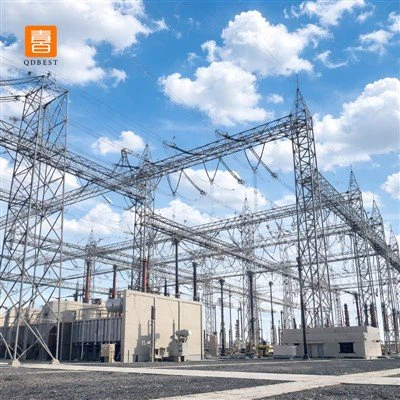
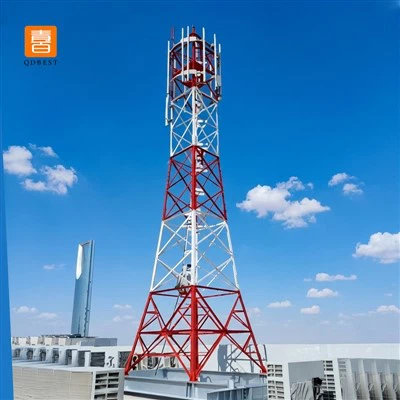
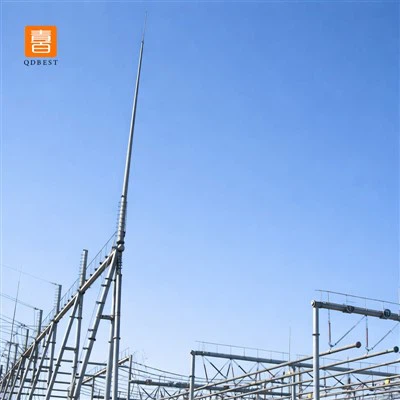
Many clients pay close attention to noise reduction solutions for electrical structures. It should be noted that electrical structures including substation gantries and substation steel structures generate considerable operational noise, which poses a real nuisance, especially in areas with strict noise pollution control standards. This blog post will share practical and proven noise reduction measures summarized from on-site practices.
Understanding the Noise Sources
First things first, we need to understand where the noise in electrical structures comes from. Most of the noise in electrical structures is generated by the electromagnetic forces acting on the conductors and magnetic cores of transformers, reactors, and other electrical equipment. When current flows through these components, it creates a magnetic field, and the interaction between the magnetic field and the electrical currents can cause vibrations. These vibrations are then transmitted through the structure and radiated into the surrounding environment as noise.
Another source of noise is the cooling systems of electrical equipment. Cooling fans, pumps, and other components in the cooling systems can also generate a significant amount of noise, especially when they are running at high speeds.
Noise Reduction at the Source
One of the most effective ways to reduce noise is to address the problem at the source. When it comes to electrical equipment, manufacturers can take steps to design and build products that produce less noise.
For transformers, using high - quality magnetic materials with low core loss can reduce the magnetic - induced vibrations. Additionally, proper design of the winding and core structure can help minimize the electromagnetic forces that cause these vibrations. For example, some advanced transformers use a split - winding design to balance the magnetic fields and reduce noise.
In the case of cooling systems, using more efficient and quieter fans and pumps can make a big difference. Variable - speed fans can adjust their speed according to the cooling requirements, reducing the noise when the equipment doesn't need as much cooling. Also, proper maintenance of the cooling systems, such as regular lubrication and cleaning, can ensure that they operate smoothly and quietly.
Sound Insulation and Absorption
If we can't completely eliminate the noise at the source, the next step is to use sound insulation and absorption techniques. Sound insulation involves creating barriers that prevent the sound from spreading. For electrical structures, we can use materials with high sound - transmission loss, such as concrete, steel panels, and acoustic insulation boards.
For example, enclosing the noisy equipment in a sound - proof enclosure can be very effective. The enclosure is typically made of steel plates lined with acoustic insulation materials like fiberglass or mineral wool. These materials absorb the sound energy and reduce the amount of noise that escapes from the equipment.
Sound absorption is also crucial, especially in enclosed spaces. Acoustic panels can be installed on the walls, ceilings, and floors of the electrical rooms to absorb the sound waves. These panels are made of porous materials that trap the sound energy and convert it into heat.
Vibration Isolation
Since vibrations are a major cause of noise in electrical structures, vibration isolation is an important measure. Vibration isolation devices, such as rubber mounts, springs, and dampers, can be used to separate the electrical equipment from the supporting structure.
For transformers, rubber mounts are often used to isolate the transformer from the floor. The rubber material has good damping properties, which can reduce the transmission of vibrations from the transformer to the floor and other parts of the structure. Springs can also be used for vibration isolation, especially in applications where there is a large amount of static load. Dampers can further enhance the vibration - isolation effect by dissipating the vibration energy.
Site Planning and Layout
Proper site planning and layout can also contribute to noise reduction. When designing an electrical substation, such as a Power Distribution Substation, we can place the noisy equipment away from sensitive areas, like residential neighborhoods, schools, and hospitals.
Creating buffer zones around the substation can also help. These buffer zones can be filled with trees, shrubs, or other natural barriers that can absorb and deflect the sound waves. Additionally, proper spacing between different pieces of equipment can reduce the interference and cumulative effect of the noise.
Galvanized Substation Steel Structures and Noise Reduction
Our Galvanized Substation Steel Structures can also play a role in noise reduction. The galvanized coating not only provides excellent corrosion protection but also has a certain damping effect on vibrations.
The steel structure itself can be designed to have good stiffness and damping characteristics. By optimizing the shape and size of the steel members, we can reduce the resonance frequencies of the structure and minimize the amplification of the vibrations.
Conclusion
In conclusion, reducing the noise from electrical structures is a multi - faceted task that requires a combination of measures. From addressing the noise at the source, using sound insulation and absorption techniques, vibration isolation, to proper site planning and the use of well - designed structures like our galvanized substation steel structures, there are many ways to cut down on the noise.
If you're in the market for Electrical Structure and are concerned about noise reduction, we'd love to chat. We've got the expertise and experience to offer you the best solutions for your needs. Reach out to us to start a conversation about your requirements and let's work together to find the perfect electrical structure with effective noise reduction measures.