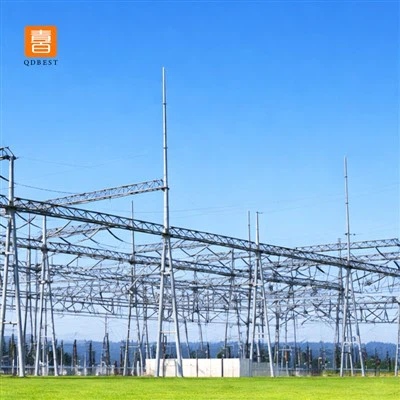
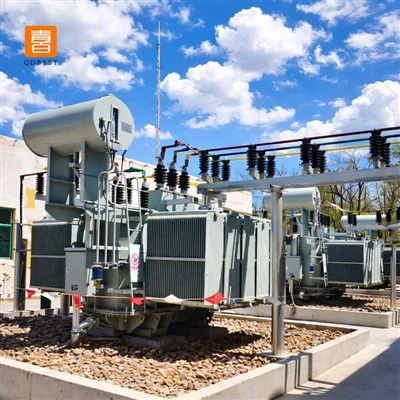
Cable management in substation structures is a crucial aspect of ensuring the efficient, reliable, and safe operation of electrical substations. As a provider of high - quality substation structures, including Substation Steel Structure, Electrical Structure, Gantry Structures for Electrical Substations, Galvanized Substation Steel Structures, and Substation Gantry Structure, we understand the importance of effective cable management.
Importance of Cable Management in Substations
Substations are the heart of the electrical power grid, where power is transformed, distributed, and controlled. Cables play a vital role in transmitting electrical energy and carrying control signals within the substation. Proper cable management is essential for several reasons.
First, it enhances the safety of the substation. Well - managed cables reduce the risk of short - circuits, fires, and electrical shock. When cables are neatly arranged and properly secured, there is less chance of them coming into contact with each other or with conductive elements, which can cause electrical faults.
Second, efficient cable management improves the reliability of the substation. Cables are less likely to be damaged during normal operation or maintenance activities when they are organized. This reduces the frequency of cable failures and outages, ensuring a continuous supply of electricity.
Third, it simplifies maintenance and troubleshooting. Technicians can easily access, identify, and work on cables when they are clearly labeled and neatly installed. This saves time and reduces the cost of maintenance and repairs.
Cable Management Methods
Cable Trays
Cable trays are one of the most commonly used cable management methods in substation structures. They are made of metal or non - metal materials and are used to support and route cables. Cable trays come in various types, such as ladder - type, perforated - type, and solid - bottom type.
Ladder - type cable trays are popular because they allow for good ventilation around the cables, which helps to dissipate heat. They are suitable for high - voltage cables and large - diameter cables. Perforated - type cable trays offer a balance between support and ventilation. The perforations in the tray allow for some airflow while still providing sufficient support for the cables. Solid - bottom cable trays are used when protection from dust, water, or mechanical damage is required.
When installing cable trays in a substation, it is important to ensure proper spacing between the trays to prevent overheating of the cables. The trays should also be grounded to eliminate the risk of static electricity build - up.
Cable Racks
Cable racks are another effective way to manage cables in substations. They are typically made of steel and are used to support multiple layers of cables. Cable racks can be wall - mounted or floor - mounted, depending on the available space and the layout of the substation.
One advantage of cable racks is that they can be customized to fit the specific requirements of the substation. For example, they can be designed with different heights, widths, and lengths to accommodate varying numbers and sizes of cables. Cable racks also provide easy access to the cables for inspection and maintenance.
However, it is important to ensure that the cable racks are properly installed and secured. They should be able to withstand the weight of the cables and any external forces, such as wind or seismic activity.
Cable Conduits
Cable conduits are rigid or flexible tubes that are used to protect cables from environmental factors, mechanical damage, and electromagnetic interference. They can be made of various materials, such as metal, plastic, or fiberglass.
Metal conduits, such as steel or aluminum conduits, offer high mechanical strength and excellent protection against physical damage. They are also suitable for use in areas where there is a risk of fire or where grounding is required. Plastic conduits, on the other hand, are lightweight, corrosion - resistant, and easy to install. They are often used in indoor or underground applications.
When using cable conduits, it is important to ensure that the cables are properly pulled through the conduits without being damaged. The conduits should also be sealed to prevent the ingress of water, dust, or pests.
Cable Marking and Labeling
Cable marking and labeling are essential parts of cable management in substations. Each cable should be clearly marked with information such as its destination, voltage rating, and function. This makes it easy for technicians to identify and trace the cables during maintenance and troubleshooting.
There are several methods of cable marking, including using self - adhesive labels, engraving, or heat - shrink sleeves. Self - adhesive labels are the most common method because they are easy to apply and can be customized with different colors and fonts. Engraving provides a more permanent marking, but it requires special equipment. Heat - shrink sleeves are used to provide a protective layer over the cable while also displaying the marking information.
Cable Bundling
Cable bundling is the process of grouping cables together using ties, straps, or clamps. Bundling cables helps to keep them organized, reduces clutter, and makes it easier to manage them. It also improves the aesthetic appearance of the substation.
When bundling cables, it is important to ensure that they are not over - tightened, as this can damage the cables. The bundles should also be spaced evenly to prevent overheating. Different types of cables, such as power cables and control cables, should be bundled separately to avoid interference.
Cable Laying Routes Planning
Proper planning of cable laying routes is crucial for effective cable management. The routes should be designed to minimize the length of the cables, reduce the number of bends, and avoid areas where there is a risk of damage.
When planning cable laying routes, it is important to consider the layout of the substation equipment, such as transformers, switchgear, and circuit breakers. The routes should also be coordinated with other infrastructure, such as water pipes and ventilation ducts.
Our Role as a Substation Structures Supplier
As a leading supplier of substation structures, we are committed to providing our customers with comprehensive solutions for cable management. Our substation structures are designed to accommodate various cable management methods, ensuring that the cables are safely and efficiently installed.
We offer a wide range of substation structures, including steel structures, gantry structures, and galvanized structures. Our structures are designed and manufactured to meet the highest industry standards, ensuring their durability and reliability.
In addition to providing high - quality structures, we also offer technical support and advice on cable management. Our team of experts can help you design the most suitable cable management system for your substation, taking into account your specific requirements and budget.
Contact Us for Your Substation Needs
If you are in the market for high - quality substation structures and effective cable management solutions, we invite you to contact us. Our team of professionals is ready to assist you with your procurement process and answer any questions you may have. Whether you are building a new substation or upgrading an existing one, we can provide you with the products and services you need to ensure the success of your project.