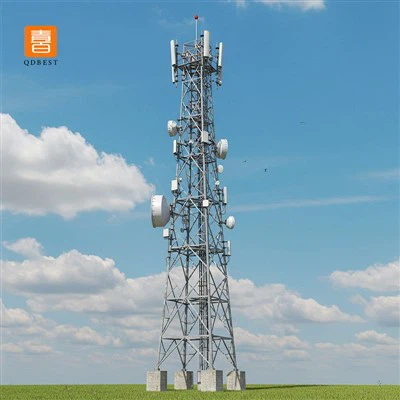
This blog discusses the impacts that single-pole steel towers may have on local wildlife.
1. Installation and Habitat Disruption
When we start the installation process of a Monopole Steel Pipe Tower, it's like a mini - construction site. There's a lot of ground - work involved, like clearing the area to make way for the tower's foundation. This can be a real bummer for local wildlife. For some small mammals, like field mice or shrews, who make their homes in the grass and underbrush, the clearing means they lose their shelter. They have to find a new place to live, which isn't always easy.
Birds that build nests in the trees or bushes around the installation site can also be affected. If we cut down trees or disrupt the vegetation, their nesting spots are gone. This can lead to a decline in their breeding success. For example, some songbirds might not be able to find a suitable replacement nest site in time for breeding season.
But it's not just about the immediate loss of habitat. The construction noise can also scare away wildlife. Animals are used to the natural sounds of their environment, and the loud machinery and constant human activity can be really stressful for them. Deer, for instance, are very skittish animals. The noise can make them flee the area and avoid it for a long time, which can disrupt their normal feeding and mating patterns.
2. Electromagnetic Fields and Wildlife Behavior
Monopole Steel Pipe Towers are often used for communication purposes, which means they emit electromagnetic fields (EMFs). Now, the impact of EMFs on wildlife is still a bit of a hot - button topic in the scientific community. Some studies suggest that certain animals, like birds and insects, can sense these fields and it might affect their behavior.
Birds use the Earth's magnetic field for navigation during migration. The EMFs from the towers could potentially interfere with this natural navigation system. Imagine a bird trying to find its way during a long - distance flight, and the tower's EMFs are throwing it off course. It could get lost, use up more energy, and have a lower chance of survival.
Insects are also thought to be sensitive to EMFs. Bees, for example, are crucial for pollination. If the EMFs from the towers disrupt their ability to navigate back to the hive or find flowers, it could have a domino effect on the local ecosystem. Less pollination means fewer fruits and seeds, which affects the food sources for other animals.
3. Collision Risks
Another big concern is the risk of wildlife colliding with the Monopole Steel Pipe Towers. Birds are especially vulnerable. During the night, when many birds migrate, the towers can be difficult for them to see. The towers often have lights on them for safety reasons, but these lights can actually attract birds and lead them to fly into the structure.
Collisions can result in serious injuries or death for the birds. And it's not just a few individual birds that are affected. Some large - scale bird migrations involve thousands or even millions of birds. If a significant number of them collide with a tower, it can have a major impact on the bird population in the area.
Bats are also at risk. They are active at night and use echolocation to navigate. The presence of the towers can disrupt their echolocation signals, making it more likely for them to collide with the structures. Bats are important for controlling insect populations, so a decline in their numbers can lead to an increase in pests in the local ecosystem.
4. Positive Impacts?
On the flip side, Monopole Steel Pipe Towers can also have some positive impacts on local wildlife. For some bird species, the towers can serve as perching or nesting sites. Raptors, like hawks and eagles, might use the top of the tower as a vantage point to spot prey. Some smaller birds might build nests on the cross - arms or other parts of the tower.
These towers can also create new micro - habitats. After the construction is finished, the disturbed soil around the tower can sometimes support the growth of different plant species. These new plants can attract insects, which in turn can provide food for other animals.
Looking at Other Tower Options
If you're concerned about the impact on wildlife and still need a communication tower, we also offer some other options. Check out our 3 Leg Steel Tube Pipe Tower, Steel Tubular Communication Tower, Tubular Telecommunication Tower, GSM Communication Monopole Tower, and Triangular Self Supporting Communication Steel Tubular Tower. These towers might have different impacts on wildlife, and we can work with you to find the best solution for your needs.


Minimizing the Impact
As a supplier, we're aware of these issues and are always looking for ways to minimize the impact of our Monopole Steel Pipe Towers on local wildlife. One way is through careful site selection. We try to choose areas that are less sensitive to wildlife, like already - disturbed areas or areas with low wildlife density.
We also work on reducing the visual and auditory impact of the towers. For example, we can use materials that blend in with the natural environment to make the towers less conspicuous. And we try to schedule construction during times when wildlife is less active to reduce the disturbance.
Let's Talk
If you're in the market for a communication tower and want to learn more about how we can balance your needs with the protection of local wildlife, I'd love to chat. We can discuss the different tower options, their potential impacts, and how we can work together to minimize any negative effects. Whether you're a telecom company, a rural community, or anyone in need of reliable communication infrastructure, we're here to help. Reach out, and let's start a conversation about finding the right tower for you.