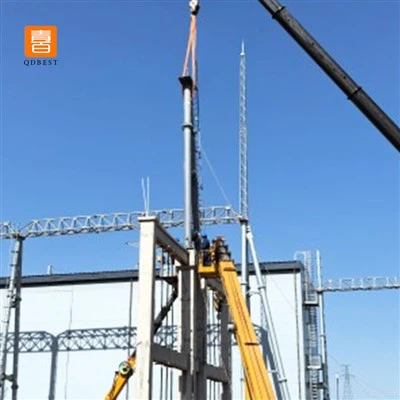
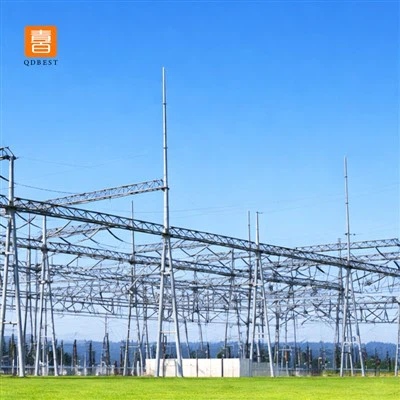
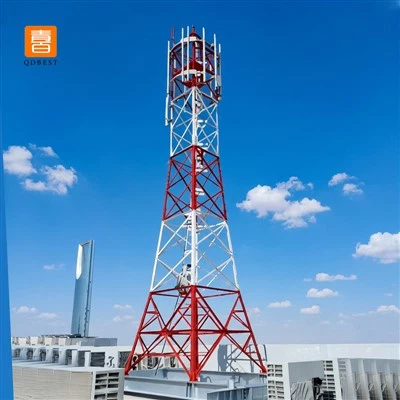
The continuous emergence of new technologies, such as 5G, IoT, and beyond, has made the upgrading of telecom lattice towers a necessity. This blog will delve into the process of upgrading a telecom lattice tower for new technologies.
Pre - upgrade Assessment
Before any physical work begins on the tower, a comprehensive pre - upgrade assessment is essential. This phase involves multiple aspects of evaluation to ensure that the tower can support the new technological requirements.
Structural Integrity Analysis
The first step is to conduct a detailed structural integrity analysis of the existing lattice tower. Structural engineers are hired to examine the tower's framework, joints, and fasteners. They use specialized equipment like non - destructive testing tools to detect any signs of corrosion, cracks, or fatigue that could compromise the tower's stability. For example, ultrasonic testing can be utilized to detect internal flaws in the angle steel components of the tower. Our Angle Steel Telecommunication Tower often serves as a model for such analysis, as its design and components are well - studied.
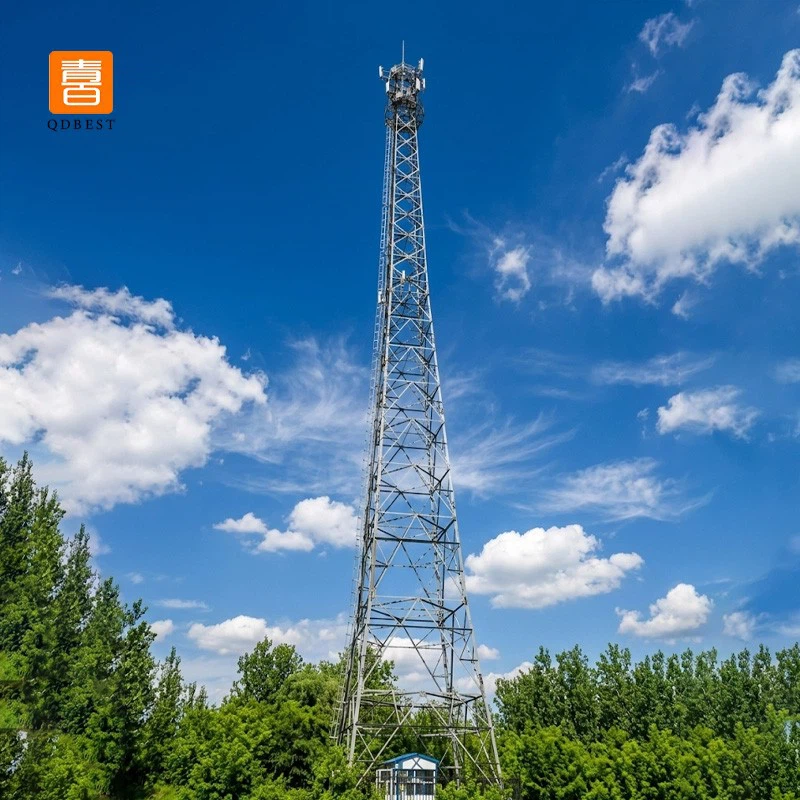

Capacity Evaluation
In addition to structural integrity, the tower's capacity to support the new equipment associated with the upgraded technology must be evaluated. This includes determining the weight - bearing capacity for new antennas, transmitters, and other heavy - duty devices. For instance, 5G technology requires more antenna arrays than 4G due to its higher frequency bands and the need for beamforming. The engineers calculate the additional load that these new components will place on the tower and assess whether the existing structure can withstand it. If necessary, reinforcements may be planned to enhance the tower's load - bearing capacity.
Site Conditions Review
The geographical and environmental conditions of the tower site also need to be revisited. Factors such as wind speed, seismic activity, and snow load in the area can influence the tower's performance. Extreme weather conditions can put extra stress on the tower, especially when new equipment is added. For example, in regions with high wind speeds, the new antennas need to be properly secured and the tower may require additional bracing. During this review, we also consider any local regulations or zoning requirements that could impact the upgrade process.
Technology Planning
Once the pre - upgrade assessment is complete, the next step is to plan the integration of new technologies into the tower.
Technology Selection
Selecting the right technology for the upgrade is crucial. This decision is based on various factors, including the market demand, the service provider's goals, and the compatibility with the existing network infrastructure. For example, if the goal is to provide high - speed broadband access to a rural area, a combination of 5G and WiMAX technologies might be considered. As a supplier of Lattice Telecommunication Tower, we work closely with our clients to understand their technology needs and recommend the most suitable solutions.
Equipment Sourcing
After the technology is selected, the necessary equipment needs to be sourced. This includes antennas, radio units, and baseband units. The equipment must be of high quality and compatible with the chosen technology. We often source from reliable manufacturers and ensure that the equipment meets all relevant industry standards. For example, 5G equipment needs to comply with the 3GPP standards to ensure seamless integration with the existing network.
Network Design
A detailed network design is also required to ensure the efficient operation of the new technology. This includes determining the optimal placement of antennas on the tower to achieve the best coverage and signal strength. The network design also takes into account the backhaul requirements, which are the connections between the tower and the core network. For example, fiber - optic cables are often used for high - speed backhaul in 5G networks.
Tower Modification and Installation
With the planning phase complete, it's time to start the physical modification and installation work on the tower.
Tower Reinforcement
If the pre - upgrade assessment indicates that the tower needs reinforcement, this work is carried out first. Reinforcement can involve adding additional steel members to the existing framework, strengthening the joints, or improving the foundation. For example, in some cases, new angle steel braces can be installed to enhance the tower's lateral stability. Our Communication Angle Steel Tower design principles can be applied during the reinforcement process to ensure structural integrity.
Equipment Installation
Once the tower is reinforced, the new equipment can be installed. This is a complex process that requires careful planning and coordination. The antennas are mounted at the optimal locations on the tower, and the radio units and baseband units are installed in the equipment cabinets at the base of the tower. The installation work must be carried out by trained technicians to ensure safety and proper functioning of the equipment.
Wiring and Cabling
Proper wiring and cabling are essential for the efficient operation of the new technology. The power cables, signal cables, and fiber - optic cables need to be installed neatly and securely. Attention must be paid to the cable management to prevent interference and damage. For example, shielded cables can be used to reduce electromagnetic interference in high - density antenna installations.
Testing and Commissioning
After the installation is complete, a series of tests are conducted to ensure that the upgraded tower is functioning properly.
Equipment Testing
Each piece of equipment is tested individually to verify its performance. This includes testing the antennas for radiation pattern, power output, and gain. The radio units and baseband units are also tested for signal quality, data transfer rate, and error rate. Any issues detected during the testing phase are addressed immediately to ensure the reliability of the equipment.
Network Testing
The entire network is then tested to ensure seamless integration of the new technology. This includes testing the coverage area, signal strength, and data transfer speed at various locations within the service area. The backhaul network is also tested to ensure high - speed and stable connectivity to the core network.
Commissioning
Once all the tests are successfully completed, the upgraded tower is commissioned for commercial use. This involves obtaining the necessary approvals from the relevant regulatory authorities and notifying the service providers that the tower is ready to support the new technology.
Post - upgrade Maintenance
The upgrade process doesn't end with commissioning. Regular post - upgrade maintenance is essential to ensure the long - term performance of the tower and the new technology.
Routine Inspections
Routine inspections of the tower and the equipment are carried out at regular intervals. These inspections include checking for any signs of damage, corrosion, or loose connections. The structural integrity of the tower is also monitored over time to ensure that it remains stable.
Equipment Maintenance
The equipment on the tower requires regular maintenance to ensure optimal performance. This includes cleaning the antennas, replacing worn - out components, and updating the software. The maintenance schedule is based on the manufacturer's recommendations and the operating conditions of the tower.
Network Optimization
As the technology evolves and the user demand changes, the network needs to be optimized continuously. This involves adjusting the antenna settings, upgrading the software, and adding or removing equipment as necessary.
In conclusion, upgrading a telecom lattice tower for new technologies is a complex and multi - stage process. It requires careful planning, precise execution, and continuous maintenance. As a leading supplier of Telecom Angle Steel Tower and Telecom Lattice Tower, we are committed to providing high - quality products and services to support our clients in this process. If you are considering upgrading your telecom lattice tower, we would be delighted to discuss your requirements and provide you with a customized solution. Contact us for more information on how we can assist you in your tower upgrade project.