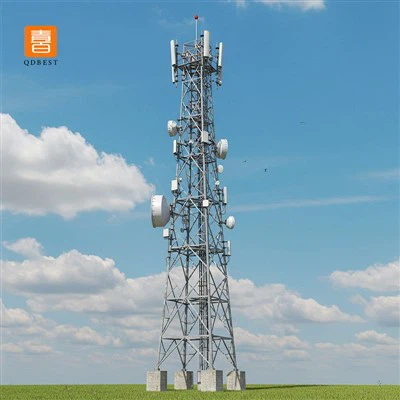
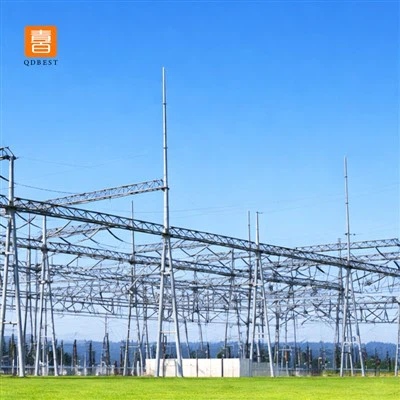
Angle steel towers, which are widely used in various industries such as telecommunications, power transmission, and broadcasting, undergo a series of rigorous test items to meet the highest standards. In this blog post will explore the key test items for an angle steel tower and why they are essential.
Structural Integrity Tests
Material Quality Inspection
The foundation of a high - quality angle steel tower lies in the quality of its raw materials. Our first step is to conduct comprehensive material inspections. We check the chemical composition of the angle steel to ensure it meets the specified standards. For example, the carbon content, manganese, sulfur, and phosphorus levels need to be within the acceptable range. This is because the chemical composition directly affects the mechanical properties of the steel, such as its strength and ductility.
We also perform mechanical property tests on the angle steel. Tensile tests are carried out to determine the yield strength, ultimate tensile strength, and elongation of the material. These values are crucial as they indicate how much stress the steel can withstand before it deforms or breaks. Impact tests are also conducted to assess the steel's toughness, especially in cold environments. By ensuring the high - quality of the raw materials, we can build angle steel towers that are durable and reliable.
Weld Quality Testing
Welding is a critical process in the construction of angle steel towers. Poor weld quality can lead to structural failures, so we pay close attention to weld inspection. Visual inspection is the first step, where we check for obvious defects such as cracks, porosity, and incomplete fusion. However, visual inspection alone is not sufficient.
We also use non - destructive testing methods such as ultrasonic testing (UT) and radiographic testing (RT). Ultrasonic testing uses high - frequency sound waves to detect internal defects in the welds. Radiographic testing, on the other hand, uses X - rays or gamma rays to create an image of the weld, allowing us to identify any hidden flaws. By ensuring the integrity of the welds, we can prevent potential failures and ensure the long - term stability of the tower.
Structural Load Testing
To ensure that the angle steel tower can withstand the expected loads during its service life, we conduct structural load tests. These tests simulate the various forces that the tower will experience, including wind loads, snow loads, and the weight of the equipment installed on it.
Static load tests are performed to measure the tower's deformation under a constant load. We apply a gradually increasing load to the tower and measure the corresponding displacements at key points. This helps us to determine if the tower's structure can safely support the load without excessive deformation.
Dynamic load tests are also carried out to assess the tower's response to dynamic forces, such as wind gusts. These tests involve applying a dynamic load to the tower and measuring its vibration characteristics. By analyzing the tower's response to dynamic loads, we can ensure that it will not resonate under normal operating conditions, which could lead to structural damage.
Corrosion Resistance Tests
Coating Thickness Measurement
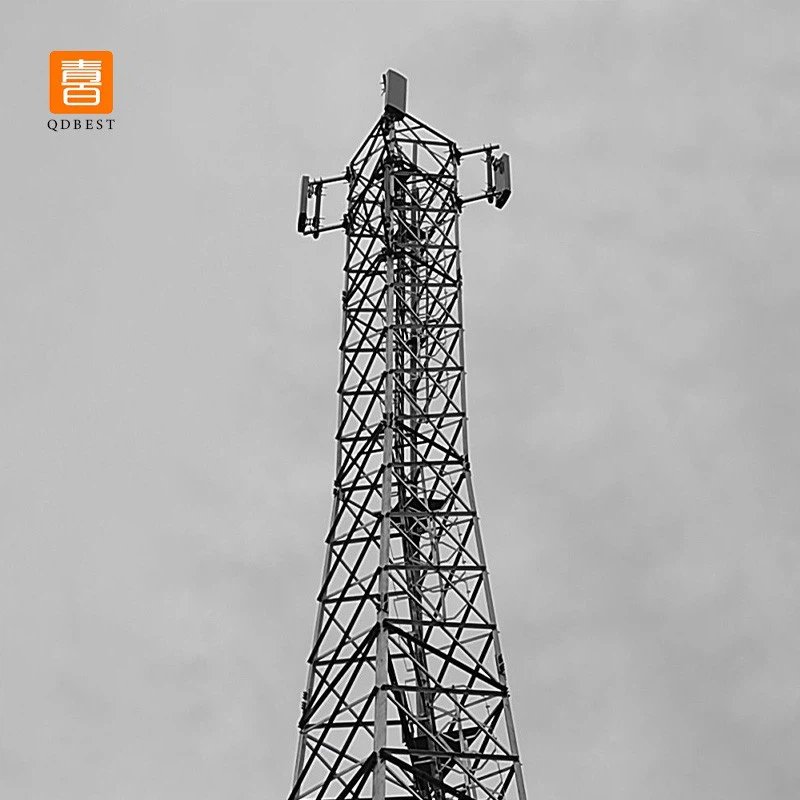
To protect the angle steel tower from corrosion, a protective coating is usually applied. We measure the thickness of the coating to ensure it meets the specified requirements. A proper coating thickness is essential for providing long - term corrosion resistance.
We use coating thickness gauges to measure the thickness of the coating at multiple points on the tower. If the coating thickness is too thin, it may not provide adequate protection against corrosion. On the other hand, if it is too thick, it may lead to cracking and peeling of the coating over time.
Salt Spray Testing
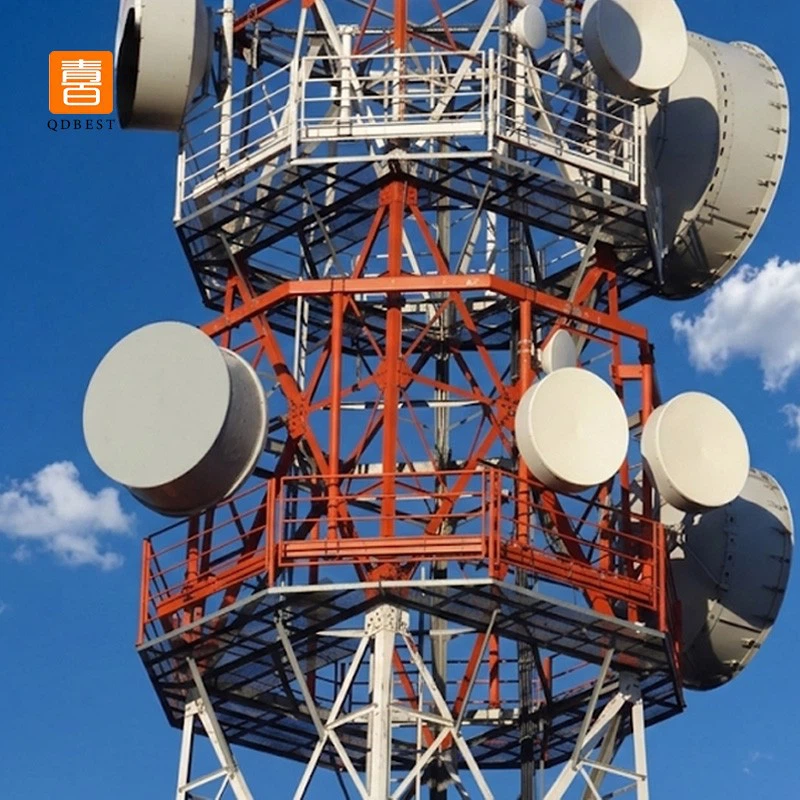
Salt spray testing is a widely used method to evaluate the corrosion resistance of the coating on the angle steel tower. In this test, the tower samples are placed in a salt - spray chamber, where they are exposed to a salt - water mist for a specified period.
After the test, the samples are inspected for signs of corrosion, such as rust spots and blistering. The results of the salt - spray test help us to determine the effectiveness of the coating in protecting the tower from corrosion in a marine or coastal environment. If the coating fails the salt - spray test, we will adjust the coating process to improve its corrosion resistance.
Electrical Performance Tests
Ground Resistance Testing
For angle steel towers used in telecommunications and power transmission, proper grounding is essential to ensure electrical safety and equipment performance. We conduct ground resistance testing to measure the resistance between the tower's grounding system and the earth.
A low ground resistance is required to effectively dissipate electrical charges, such as lightning strikes, into the ground. If the ground resistance is too high, it may lead to electrical hazards and equipment damage. We use ground resistance testers to measure the resistance at different points of the grounding system and ensure it meets the relevant standards.
Insulation Resistance Testing
In addition to ground resistance testing, we also perform insulation resistance testing for angle steel towers that are part of electrical systems. This test measures the resistance of the insulation materials used in the tower to prevent electrical leakage.
A high insulation resistance is necessary to ensure the safe operation of the electrical equipment installed on the tower. We use insulation resistance testers to measure the resistance of the insulation at different voltages. If the insulation resistance is too low, it may indicate a problem with the insulation material, and we will take appropriate measures to correct it.
Our Angle Steel Tower Products
We offer a wide range of angle steel towers to meet the diverse needs of our customers. Our products include Lattice Telecommunication Tower, which is designed for efficient signal transmission in the telecommunications industry. The 60M Angle Steel Gsm Microwave Telecom Tower provides a reliable solution for long - distance communication.
Our Telecom Lattice Tower is known for its high - strength and stability, making it suitable for various telecom applications. The 25M Galvanized Angle Steel Microwave Communication Tower offers excellent corrosion resistance and is ideal for use in harsh environments. And our Four - legged Lattice Tower provides a stable and cost - effective solution for many projects.
Conclusion
In conclusion, the test items for an angle steel tower are comprehensive and crucial for ensuring its quality, safety, and performance. From structural integrity tests to corrosion resistance and electrical performance tests, each step is carefully carried out to meet the highest standards. As a professional angle steel tower supplier, we are committed to providing our customers with high - quality products that have passed all the necessary tests.
If you are in need of an angle steel tower for your project, we invite you to contact us for more information and a procurement discussion. Our team of experts will be happy to assist you in selecting the most suitable tower for your specific requirements.