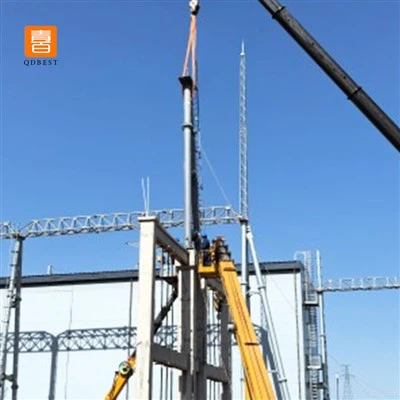
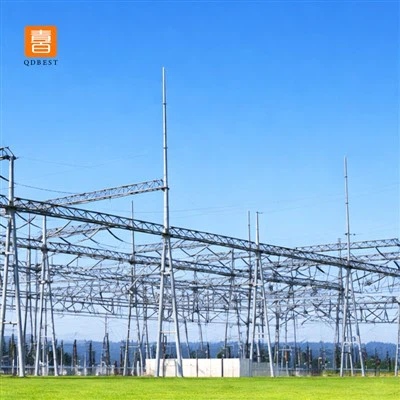
This blog will discuss various challenges encountered when building communication network coverage in rural areas using lattice communication towers.
1. Terrain and Geography
Rural areas are often characterized by diverse and challenging terrains. Mountainous regions can pose a big problem. The hilly and uneven landscapes make it difficult to transport the Lattice Telecommunication Towers (you can check them out here). Heavy equipment needed for installation has a hard time reaching these spots. For example, getting a 35M Telecom 4 - Legged Galvanized Angular Steel Tower (link) up a steep mountain slope is no easy feat. The roads might be non - existent or in very poor condition, which means we need to rely on alternative transportation methods like helicopters or pack animals in some extreme cases. This not only increases the cost but also adds a lot of time to the installation process.
In forested rural areas, trees can block the signal from the towers. Tall trees can absorb and scatter the electromagnetic waves transmitted by the telecom towers. To ensure proper signal propagation, we may need to clear a large area around the tower site. But this can lead to environmental concerns and may also require getting special permissions from local authorities. And the thick underbrush can make it difficult to access the sites for construction and maintenance.
2. Low Population Density
One of the major challenges in rural areas is the low population density. When there aren't many people living in a particular area, the return on investment for building and maintaining telecommunication infrastructure becomes a big question mark. The cost of setting up a Lattice Telecommunication Tower, including the purchase, transportation, and installation, is quite high. And if there aren't enough users to generate revenue, it becomes hard to justify the expense.
For instance, a Telecom Angle Steel Tower (link) requires regular maintenance, such as checking the structural integrity, ensuring the antennas are working properly, and replacing any worn - out parts. With a small user base, it's tough to cover these ongoing costs. This often leads to a lack of incentive for telecommunication companies to invest in rural areas, leaving the residents with poor or no coverage.
3. Lack of Power Supply
A stable power supply is crucial for the operation of telecommunication towers. In many rural areas, the power grid is either unreliable or non - existent. Without a consistent power source, the towers can't function properly. Solar power is an option, but it has its limitations. If there are long periods of cloudy weather or in winter months when the days are shorter, the solar panels might not generate enough energy to keep the tower running.
Battery backup systems can be used, but they need to be regularly maintained and replaced. And in remote rural areas, getting replacement batteries to the tower sites can be a logistical nightmare. The cost of setting up an independent power generation system, like a generator, is also high and requires continuous supply of fuel, which can be difficult to obtain in some rural locations.
4. Regulatory and Permission Issues
Obtaining the necessary permits and approvals to install Lattice Telecommunication Towers in rural areas can be a long - drawn - out process. Local authorities may have strict regulations regarding land use, environmental impact, and aesthetic considerations. For example, they might be concerned about the visual impact of an Angle Steel Telecommunication Tower (link) on the rural landscape.
There may also be issues related to land ownership. In some rural areas, land titles can be unclear, and getting the permission to use a particular piece of land for tower installation can become a legal headache. Additionally, there are often community concerns about the health effects of electromagnetic radiation from the towers. Even though numerous scientific studies have shown that the radiation levels are within the safety limits, these concerns can still slow down or even halt the installation process.
5. Maintenance and Repair
Maintaining and repairing the Lattice Telecommunication Towers in rural areas is a challenge. The remote locations make it difficult for technicians to reach the sites quickly in case of a breakdown. For example, if a 25M Galvanized Angle Steel Microwave Communication Tower (link) has a problem with its microwave equipment, it might take days for the technician to reach the site, especially if the weather is bad or the roads are impassable.

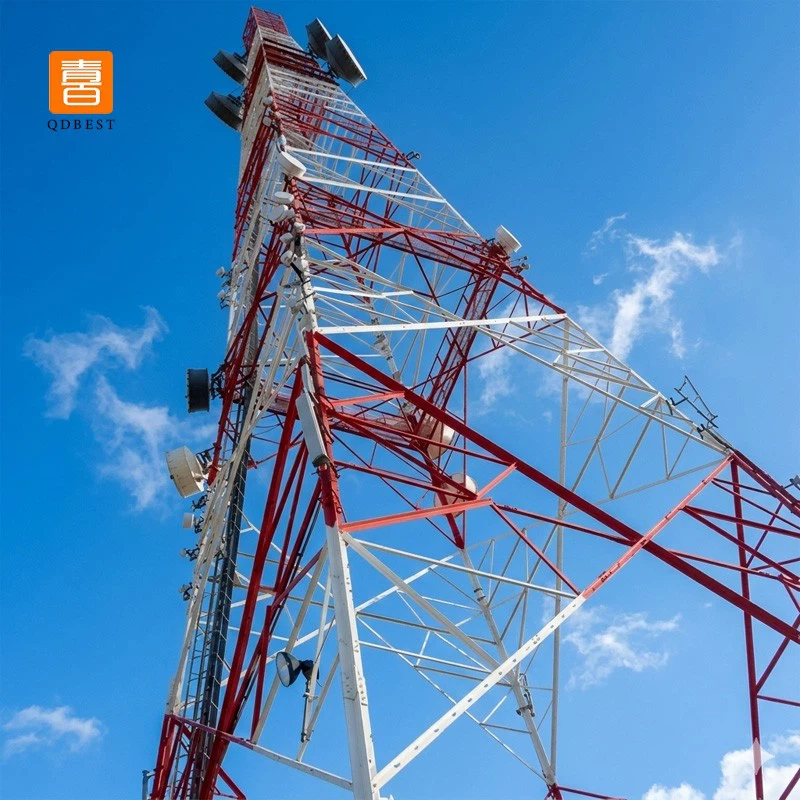
There is also a lack of local expertise in rural areas. We can't always count on finding skilled technicians nearby who can handle the complex tasks involved in tower maintenance and repair. This means we often have to send technicians from urban areas, which adds to the cost and time.
6. Weather Conditions
Rural areas are often more exposed to extreme weather conditions compared to urban areas. Strong winds, heavy snowfall, and lightning can cause significant damage to the telecommunication towers. High - speed winds can put a lot of stress on the structure of the Lattice Telecommunication Towers, and if they aren't properly designed and maintained, they can collapse.
Heavy snowfall can accumulate on the antennas and other equipment, affecting the signal transmission. Lightning strikes are also a major concern as they can damage the electrical components of the tower. Protecting the towers from these weather - related risks requires additional investment in lightning protection systems, wind - resistant designs, and snow - removal mechanisms.
Conclusion
Despite all these challenges, providing telecommunication coverage in rural areas using Lattice Telecommunication Towers is not impossible. It requires a collaborative effort between telecommunication companies, tower suppliers like me, local authorities, and the rural communities themselves.
If you're interested in purchasing our high - quality Lattice Telecommunication Towers or need more information about how we can help you overcome these challenges in rural telecommunication coverage, feel free to reach out. We're always happy to have a chat about your needs and how we can work together to bring better communication to rural areas.